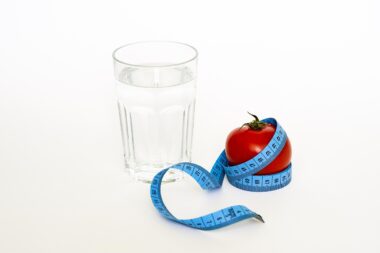

Hydration Strategies for High-Intensity Training and Weight Loss
Staying adequately hydrated is essential for anyone engaging in high-intensity training and seeking effective weight loss. Proper hydration not only supports physical performance but also optimizes metabolic functions. When we exercise intensely, our bodies lose fluids and electrolytes through sweat. Therefore, understanding hydration strategies is key to enhancing performance and achieving weight loss goals. For athletes, dehydration can lead to fatigue, reduced mental focus, and decreased endurance. It’s crucial to incorporate a hydration plan that aligns with individual training regimens while considering personal sweat rates and exercise duration. Utilizing a combination of water and electrolyte-rich beverages aids in maintaining fluid balance. Stock up on fluids before, during, and after workouts to ensure peak physical efficiency. Moreover, encourage the consumption of hydrating foods like fruits and vegetables which contribute to daily fluid intake. Consistent hydration habits establish a strong foundation for both physical and mental stamina. Additionally, incorporating electrolyte supplements can further enhance fluid retention and support optimal muscle function during rigorous sessions, paving the way for effective fat loss and muscle definition.
Incorporating hydration strategies involves both timing and quality of fluids consumed. To optimize hydration, aim to drink water or electrolyte beverages regularly throughout the day. This can prevent the feeling of extreme thirst and help keep energy levels consistent. For high-intensity training, it’s advisable to start hydration the day before workouts, ensuring an optimal hydration status. When exercising, a guideline is consuming about 7-10 ounces of fluid every 10-20 minutes to replace losses due to sweating. Post-exercise hydration is equally important; rehydrate within thirty minutes after intense workouts to refill depleted energy stores. Additionally, consider drinks that contain carbohydrates and electrolytes, as they can help in faster recovery. An easy method to monitor hydration levels is the color of urine: light, pale yellow indicates adequate hydration, while darker shades demand immediate fluid intake. Combining these strategies makes your hydration approach comprehensive and effective. Keeping a personal hydration log or using apps can also help track progress. Experiment with different hydration strategies to determine the most effective routine that fits your individual needs.
The Role of Electrolytes in Hydration
Electrolytes play a critical role in maintaining proper hydration, especially when engaging in high-intensity training. Key electrolytes such as sodium, potassium, calcium, and magnesium are essential for muscle function and fluid balance. When you sweat, your body not only loses water but these vital electrolytes as well. This can lead to imbalances and affect performance, mood, and energy levels. To counteract this, it is important to replenish both fluids and electrolytes during intense workouts. Sports drinks often contain these key minerals to help maintain intra-cellular fluid balance and prevent muscle cramps. However, it’s also possible to obtain electrolytes through natural food sources such as bananas, yogurt, and spinach. Consuming a balanced diet ensures your body receives necessary nutrients and minerals. Furthermore, a hydration strategy that includes electrolyte supplements can be beneficial, particularly when training in hot or humid conditions where sweat losses are higher. Adjust your electrolyte consumption based on exercise intensity and duration to stay in tune with your body’s unique needs during weight management efforts.
Creating a personalized hydration strategy for high-intensity training involves various components including testing your hydration levels and experimenting with different beverages. Each individual’s hydration requirements differ due to factors such as body size, exercise intensity, and climate. A personalized approach could begin by assessing weight before and after training sessions to quantify fluid loss. Aim to replace approximately 150% of lost fluids per hour of exercise for optimal recovery. For this purpose, consider mixing water with electrolyte powders or natural juice for both hydration and energy. Moreover, focus on consistency by fulfilling fluid intake goals throughout the day rather than just during workouts. This will help maintain energy levels and support weight management. Using hydration reminders can help, especially during busy days. Keep a water bottle handy and sip frequently. Integrating strategies like adding fresh herbs, fruits, or even cucumber to your water can enhance its taste and promote higher intake. Regularly revisit and adjust your hydration strategy as your training intensity and weight management goals evolve over time.
Hydration Timing and Its Importance
Hydration timing is a vital element in maximizing training performance and weight loss. Drinking fluids at strategic times can significantly influence overall results. Ideally, hydrate well before training sessions to start with optimal fluid reserves. Aim for at least 17-20 ounces of water about two hours before a workout. During the exercise, begin sipping fluids early, especially for prolonged workouts lasting an hour or more. Consistent hydration can help maintain stamina and improve endurance throughout your training session. Post-workout hydration is crucial; replenishing lost fluids immediately after exercise supports recovery and muscle rebuilding. Gradually consuming fluids post-exercise is recommended, utilizing both water and electrolyte drinks for balanced recovery. Hydration strategies should also accommodate individual preferences and convenience, as a well-adapted plan can enhance compliance. Incorporate hydration into your daily routine, making it a habitual part of your lifestyle. Having a designated water bottle or mark your hydration goals can serve as helpful reminders. Developing an awareness of your hydration habits not only contributes to better training results but also promotes effective energy utilization for weight management.
Hydration needs may vary based on environmental factors such as temperature and humidity, especially during high-intensity training. Heat increases sweat rates, which translates to greater fluid and electrolyte loss. Consequently, during hot weather, it’s vital to pay extra attention to hydration strategies. Monitor the heat index; increased awareness can guide you on when to hydrate and the quantity you need. Opt for lighter clothing to help with temperature regulation, as this can complement your hydration efforts. Including hydrating foods in your diet can offset electrolyte losses, so consider snacks like watermelon, cucumber, or oranges. Alternatively, cooling hydration techniques such as ice towels can be employed during breaks in high temperatures. Engaging in pre-cooling strategies before exercise can also enhance performance and reduce dehydration risks. Always listen to your body; symptoms of dehydration may include fatigue, dizziness, or headaches. Practicing proactive hydration during these conditions supports endurance and performance objectives. Ultimately, your approach to hydration during hot workouts will be essential in achieving both training goals and sustainable weight management.
Conclusion: Importance of Consistent Hydration
In conclusion, establishing effective hydration strategies is paramount for anyone participating in high-intensity training while managing weight loss. Hydration affects nearly every aspect of performance, from stamina to recovery, and diet to psychological well-being. By implementing personalized hydration plans tailored to individual needs and circumstances, improved performance and weight loss can become attainable. Regularly monitor hydration levels, experiment with different beverages, and set consistent hydration goals that align with exercise routines. Remember that both fluids and electrolytes are crucial for optimal efficiency during workouts; deviations can hinder progress. Ensure hydration becomes part of your daily regimen, focusing on both timing and intake. Recognizing the symptoms of dehydration will help you adjust strategies as necessary and avoid pitfalls during exercise. Ultimately, by prioritizing hydration and creating a systematic approach, you pave the way for achieving fitness and weight loss effectively. Embrace these strategies and empower your high-intensity training journeys, blending proper hydration with smart exercise choices, leading you toward your fitness goals.
Adopting proper hydration strategies not only supports high-intensity training but also fosters sustainable weight loss solutions.