
Obstacle-Specific Strategies for Teams in Relay Races
In the world of obstacle course racing, team strategies can make all the difference, particularly during relay races. Effective communication is crucial for team success. Runners must clearly convey when they are approaching the transitions. This minimizes downtime and ensures that teammates are prepared to take over seamlessly. Additionally, it’s essential to designate roles based on each team member’s strengths. For instance, some members may excel in speed, while others possess strong stamina. Assign tasks according to these strengths to enhance your chances of success. A pre-race briefing can also foster a sense of unity, establishing trust and teamwork. Moreover, teams should decide on a strategy regarding pacing—whether to start fast or conserve energy for later stages in the race. Each tactic needs to be rehearsed so that everyone understands their responsibilities during the event. Practicing transitions, whether handoffs or other exchanges, can dramatically increase efficiency. Assess outside influences like weather, terrain, and crowd noise, as these factors can impact performance. Overall, strategizing as a cohesive unit is vital for overcoming obstacles and performing effectively in relay races.
Next, let’s explore the physical training required for obstacle racing teams. First and foremost, strength training should be a fundamental aspect of preparing for the challenges presented in relay races. Teams should focus on key muscle groups that will assist in climbing walls, crawling under barriers, and sprinting. Exercises such as squats, lunges, and deadlifts develop lower body power. Incorporating upper body workouts like pull-ups and push-ups helps with scaling obstacles effectively. Core strengthening exercises, such as planks and Russian twists, significantly contribute to stability. In addition to strength work, teams should engage in cardiovascular training for endurance. High-intensity interval training (HIIT) simulates race conditions, boosting stamina and speed. Agility drills, like ladder runs and cone sprints, refine coordination, which is essential for maneuvering through tight spaces or unpredictable terrains. Flexibility exercises—such as yoga—can aid in injury prevention by promoting better range of motion. Moreover, incorporating functional training exercises, mimicking race obstacles, can strengthen muscle memory. A well-rounded training regimen prepared to tackle various obstacle types proves invaluable for overall team success in relay races.
Strategizing for Obstacles
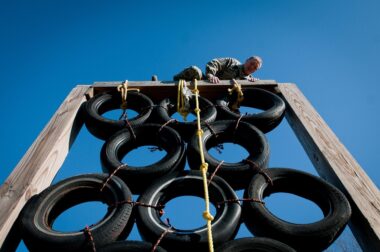
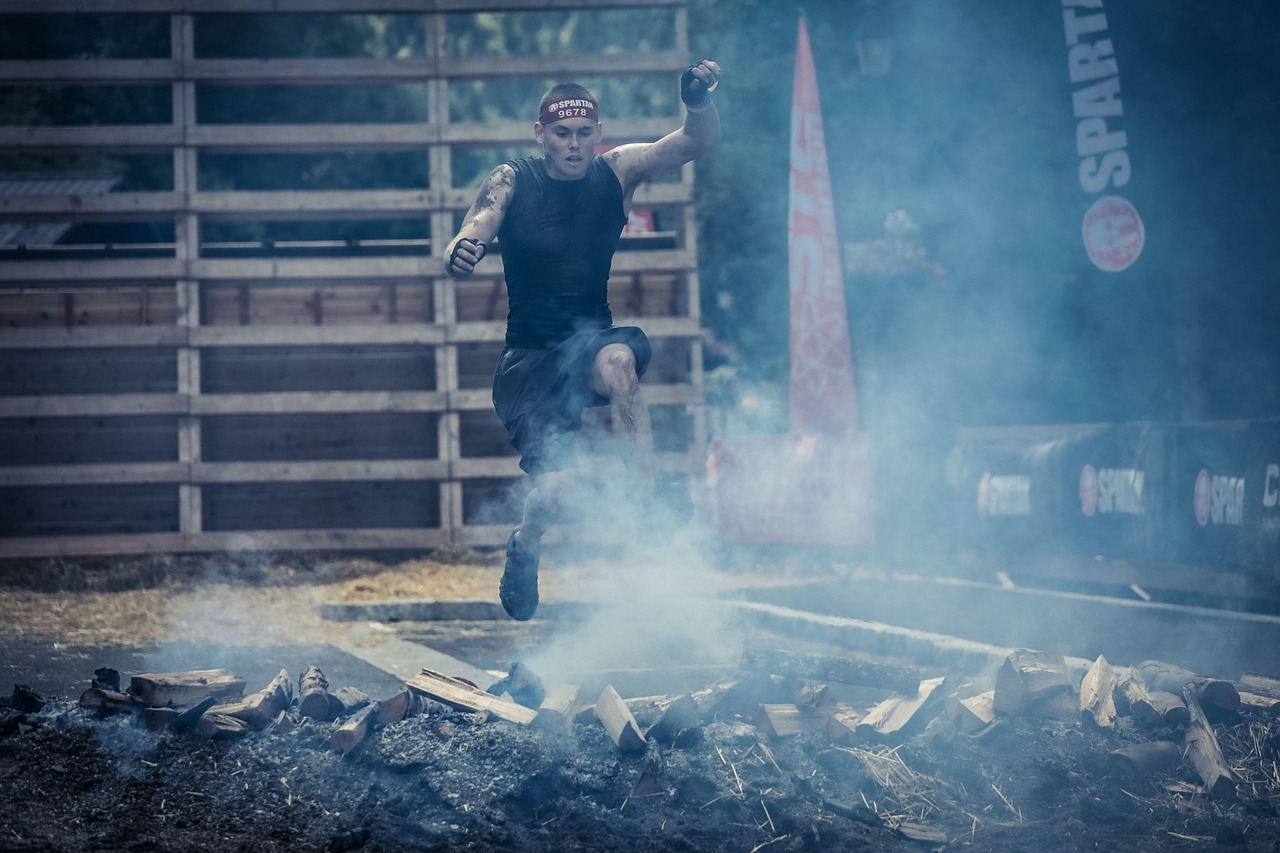
Understanding the specific obstacles encountered during a relay race is critical for strategizing effectively as a team. Each team should analyze the course’s characteristics ahead of time. For example, knowing the height of walls, the distance between obstacles, and whether there are water hazards can influence training regimens. Teams may need to create targeted drills focusing on the anticipated hurdles. Assigning teammates to practice specific obstacles can maximize preparation. For climbing walls, it might be beneficial to have a team member practice scaling them repeatedly, while another focuses on the transition to running immediately afterward. This specialized training helps each member become more competent in various aspects of the race. Developing a clear plan on how to tackle each obstacle together is equally important. For instance, utilizing teamwork to assist members who might struggle with a particular challenge can strengthen camaraderie and performance. Consider developing a sequence—who leads, who maintains pace, and who supports—when approaching challenging sections. Overall, detailed attention to the obstacles enables teams to formulate comprehensive strategies aiming for smoother navigation throughout the course in relay races.
A vital aspect of planning is understanding team dynamics. Each team foster’s unique relationships among its members, and leveraging these dynamics is essential for success. Conducting team-building exercises can enhance relationships and foster trust among teammates. Activities such as group training sessions or fun, competitive outings strengthen bonds through shared experiences. Additionally, it is crucial for teams to establish a clear hierarchy to streamline decision-making during the race. Designating a leader or captain can help reinforce order during transitions, especially under race pressure. Furthermore, team members should be encouraged to voice any concerns or suggestions. This inclusive approach can enhance the strategies developed, leading to increased success. Encouraging feedback post-practice can help refine techniques and boost morale. It is equally important to celebrate individual and team achievements, no matter how minor they may seem. Recognizing personal accomplishments can foster motivation and a strong team spirit. Using a positive language strategy from the outset increases confidence and helps maintain an optimistic outlook, contributing to overall team performance, particularly in the adrenaline-filled environment of relay races.
Race Day Preparation
On race day, teams must focus on practicalities that can significantly impact their performance. One of the first tasks is to ensure all logistical elements are in order. Equipment checklists and supplies should be prepared prior to the event to ensure nothing is forgotten—anything from shoes and gloves to energy gels and hydration packs. Nutrition plays a critical role; teams should discuss their pre-race meals, focusing on easily digestible carbs and proteins to provide sustained energy throughout the race. Staying hydrated is also crucial; proper hydration strategies should be developed to prevent cramping during the race. There can be nervousness on race day, and teams should encourage sharing calming techniques, such as controlled breathing or visualization, to ease anxiety. Performing a warm-up routine together can also build camaraderie while priming their bodies for the race. Arriving early allows time to familiarize themselves with the course layout and observe other competitors. Additionally, discussing positioning for the start ensures teammates are in efficient spots for transitions. Race day isn’t only intense physically but strategically, and adequate preparation can greatly enhance team performance in relay races.
Another important factor is mental preparation, which often goes overlooked. Mental resilience can make a crucial difference in high-pressure situations like racing. Teams can do mental conditioning through visualization techniques where they imagine themselves successfully completing the course and overcoming obstacles. These practices can lead to improved focus and reduced pre-race anxiety. Discussing potential race-day scenarios and strategies for adapting to them can also bolster confidence. Consider role-playing situations, such as dealing with unexpected challenges, which can prepare teams mentally for the real experience. Setting clear, achievable goals for each member and the team can create a focused mindset. Additionally, incorporating affirmations can help maintain a positive outlook throughout the event. It’s essential to remind team members of their strengths and capabilities continually. Celebrating small wins during the race can also enhance motivation, keeping spirits high even during tough segments. Overall, emphasizing both mental and emotional preparation strategies promotes a holistic approach to training, setting teams up for optimal performance in challenging relay races.
Post-Race Review
After the race, reviewing performance is essential for continuous improvement. Teams should gather to reflect on each segment of the relay. Discussing what strategies worked and what didn’t will help identify strengths and areas for growth. Utilizing video footage or notes taken during the race can provide detailed insights. Additionally, conducting a debrief can foster constructive criticism and highlight lessons learned. Individual feedback sessions can also allow team members to express how they felt about their respective performances. Recognizing and celebrating accomplishments, such as personal bests and cohesive teamwork, is vital for encouraging future improvement. Likewise, analyzing mistakes or missed opportunities must be constructive rather than discouraging. Documenting these insights for future races will allow teams to refine their strategies progressively. Creating a culture where feedback is embraced rather than shunned establishes an environment of growth and camaraderie, which is crucial in obstacle course racing. Finally, it is also important to stay connected with the overall goals of the team while integrating feedback into training methodologies. Continuous assessment ensures teams carry forward a legacy of improvement and success in future relay races and challenges.
In conclusion, successful strategies in obstacle course racing require meticulous preparation and teamwork. Every aspect, from physical training to mental resilience and the evaluation of performance, contributes to overall success. Team dynamics play an essential role; fostering trust and open communication allows teams to excel. Specific strategies tailored for the obstacles faced must be developed through comprehensive training. On race day, logistical preparations, nutrition, and mental composure can significantly influence performance outcomes. It is vital to conduct thorough post-race reviews to build on the successes and setbacks encountered. Cultivating a culture of feedback encourages team growth and achievement. Remember that every relay race is a unique experience, and adapting strategies is key to overcoming challenges. As teams continue refining their methodologies, they will enhance their competitive edge, ensuring they are well-prepared for the various surprises that obstacle course races may bring. Emphasizing both physical and mental aspects prepares teams to face the rigors of the race effectively. With these strategies in place, teams can look forward to not only completing relay races but doing so with confidence and unity, positioning themselves for continual success in the thrilling world of obstacle course racing.