
DIY Resistance Band Workout Plan for Weight Loss
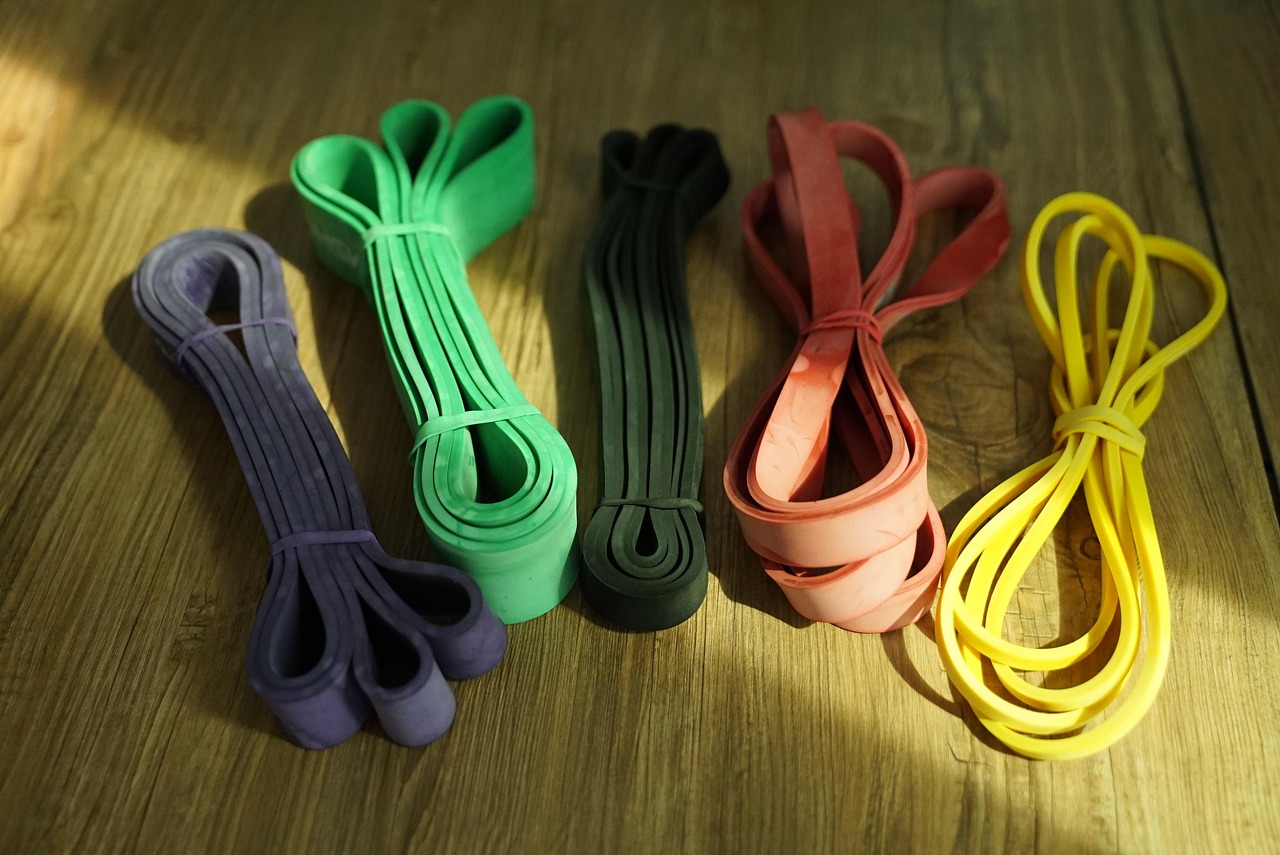
The DIY Resistance Band Workout Plan is designed to help you lose weight effectively. Resistance bands offer versatility and can easily be incorporated into various exercises. Begin by selecting a band that matches your fitness level. There are different resistance levels available, typically color-coded for easy recognition. Ensure that the band is in good condition, as a worn-out band can break during workouts and potentially cause injury. Start your routine with a warm-up to prepare your muscles and joints. A simple 5-10 minute warm-up focusing on dynamic stretches will enhance your overall performance. As you begin your workout, focus on maintaining proper form to maximize efficiency and reduce the risk of injuries. Utilizing various exercises allows you to target different muscle groups simultaneously. Incorporate movements such as squats, rows, and chest presses into your routine. To intensify your workouts, gradually increase the resistance as you progress. Listen to your body and take appropriate rest breaks between sets to ensure recovery. The goal should be to achieve a balance between pushing yourself and allowing recovery. Consistency is key to seeing results over time.
To effectively implement your Resistance Band Workout Plan, schedule specific workout days. It’s recommended to work out at least three times a week. For those new to exercise, start with two days, gradually working up to three or more. This approach allows your body time to adjust to the workouts without overwhelming it. Mixing workouts is also beneficial. Consider a combination of strength training and cardio to enhance overall weight loss. For instance, alternate days of resistance training with cardio workouts like jogging or cycling. In addition to tonal exercises, include movements that elevate your heart rate, such as jumping jacks or running on the spot using a band for resistance. Consider documenting your workout progress. Keeping a journal of your sessions can provide motivation and insight into what works best for you. This method will help track improvements and motivate continuity. You’ll notice increases in your strength levels and physical endurance over time. Don’t forget to celebrate milestones along the way, whether big or small. Rewarding yourself can be an excellent incentive to maintain enthusiasm for your workouts.
Effective Resistance Band Exercises for Weight Loss
When it comes to effective resistance band exercises, variety is essential. Here are five foundational exercises to include in your workout routine:
- Squats: Stand on the band, holding the handles, and perform squats to engage your glutes and thighs.
- Chest Press: Anchor the band behind you and press forward, working your chest and shoulders.
- Rows: Step on the band and pull the handles toward you, engaging your back muscles.
- Overhead Press: Stand on the band and press upwards to target your shoulders and arms.
- Deadlifts: Stand on the band, holding it with both hands, and bend at your hips to engage your lower back and hamstrings.
Incorporating these exercises helps to create a full-body workout that addresses multiple muscle groups. Ensure to complete 3–4 sets of 10–15 repetitions for each exercise. This encourages muscle growth and increases calorie burn. Additionally, feel free to integrate your own variations or challenges to keep things fresh. Developing a routine that remains engaging will lead to better adherence and promote long-term results.
Rest and recovery are pivotal elements of any workout plan, including the Resistance Band Workout Plan. Adequate recovery allows for muscle repair and growth, essential for weight loss and overall fitness. After a resistance training session, give yourself at least 48 hours before targeting the same muscle group again. This helps prevent overtraining, which can lead to injuries. Incorporating rest days into your workout schedule promotes better performance during your training sessions. On rest days, consider activities like light stretching or yoga to maintain flexibility. Hydration plays an essential role in recovery as well; ensure you drink plenty of water before, during, and after your workouts. Proper hydration aids muscle recovery and improves overall bodily functions. Nutrition is equally crucial to support your weight loss journey. Fuel your body with nutrient-dense foods, including proteins, healthy fats, and carbohydrates. Eating a balanced diet helps replenish energy stores and encourages muscle repair post-workout. Furthermore, remember to listen to your body’s signals. If you feel fatigued or sore, consider taking an additional rest day to prevent burnout or injury.
Mixing Your Resistance Band Workouts with Cardio
Integrating cardio into your resistance band workouts can boost your overall weight loss results. Cardio exercises enhance heart health and increase calorie-burning efficiency, making them a beneficial addition to your routine. To combine resistance training and cardio, try circuit training. In circuit training, perform resistance band exercises followed immediately by short bursts of high-intensity cardio. For instance, after completing a set of squats with the resistance band, engage in 30 seconds of burpees or high knees. This method elevates heart rate, leading to maximum calorie burn. Alternatively, consider adding a mini card segment between resistance exercises, like 1-2 minutes of jogging in place or jumping rope during transitions. This keeps your body moving while allowing muscle groups to recover between sets. Combining these elements provides a well-rounded workout that enhances fat loss. Consistency in mixing resistance band workouts with cardio can lead to greater improvements in endurance and strength over time. Aim for 20-30 minutes of combined training in each session for best results. Adjust the duration based on your fitness level; it’s always important to listen to your body’s cues.
Don’t underestimate the importance of setting realistic goals throughout your resistance training journey. Establishing achievable and specific goals provides structure and motivation. Start by determining what you want to accomplish in both the short and long term. For example, in the short term, you may aim to complete a specific number of workouts weekly or improve your lifting capacity. In the long term, focusing on overall weight loss targets or fitness milestones can keep you motivated. To ensure you remain on track, regularly reassess your goals. Adjust your expectations as necessary based on your progress, fitness level, and life circumstances. Tracking your achievements creates a sense of accomplishment and motivates you to continue. Additionally, consider involving a workout buddy for accountability. Exercising with a friend can make workouts more enjoyable and provide mutual encouragement. You can also celebrate achievements together, enhancing your commitment to your fitness journey. Remember, fitness is a lifelong journey, not a destination. Cultivate a mindset that embraces challenges and celebrates victories, regardless of how small. Successful weight loss requires patience, dedication, and perseverance to achieve lasting results.
Emphasizing Recovery Techniques
Emphasizing recovery techniques will improve your success with resistance band workouts. Effective recovery strategies can enhance muscle growth and prevent injuries. One beneficial recovery tool is stretching. Incorporate static stretches post-workout to help lengthen tight muscles and reduce soreness. Aim to hold each stretch for 15-30 seconds, focusing on key areas worked during your session, such as your legs, arms, and back. Another recovery method is foam rolling. Utilizing a foam roller can aid in releasing muscle tightness and improving blood flow. Consider adding 5-10 minutes of foam rolling into your routine after workouts to promote recovery. Additionally, prioritize sleep. Quality sleep is essential for muscle repair and recovery. Aim for 7-9 hours of sleep per night to allow your body to recharge fully. Nutrition also plays a vital role in recovery strategies; consuming a balanced meal with proteins and carbohydrates post-workout can support muscle repair. Listen to your body and rest when needed; don’t push through pain. Incorporating recovery techniques into your fitness regimen ensures continued progress and helps maintain your motivation in reaching your weight loss goals.
Ultimately, the key to a successful DIY Resistance Band Workout Plan for weight loss is consistency and adaptability. Establishing a workout routine that accommodates your lifestyle is essential for long-term adherence. Take time to explore different exercises and find what works best for your preferences and goals. Varying your routine prevents boredom and allows you to challenge your body effectively. Participate in online workout communities or follow fitness experts to discover new techniques or modifications. Engaging with like-minded individuals can provide motivation and inspiration on your fitness journey. Ultimately, focus on gradual progression while allowing time for your body to adapt. Celebrate your progress along the way, as both small and large victories contribute to your overall success. Remember, achieving weight loss and fitness goals takes time, so be patient with yourself. With determination and perseverance, you will more likely achieve your desired outcomes. Incorporate your resistance band workouts into a broader lifestyle approach that includes nutrition and emotional wellness. By prioritizing your entire well-being journey, not just the workouts, you create a sustainable lifestyle conducive to lasting changes.