
Prenatal Dance Fitness and Pelvic Floor Strengthening Techniques
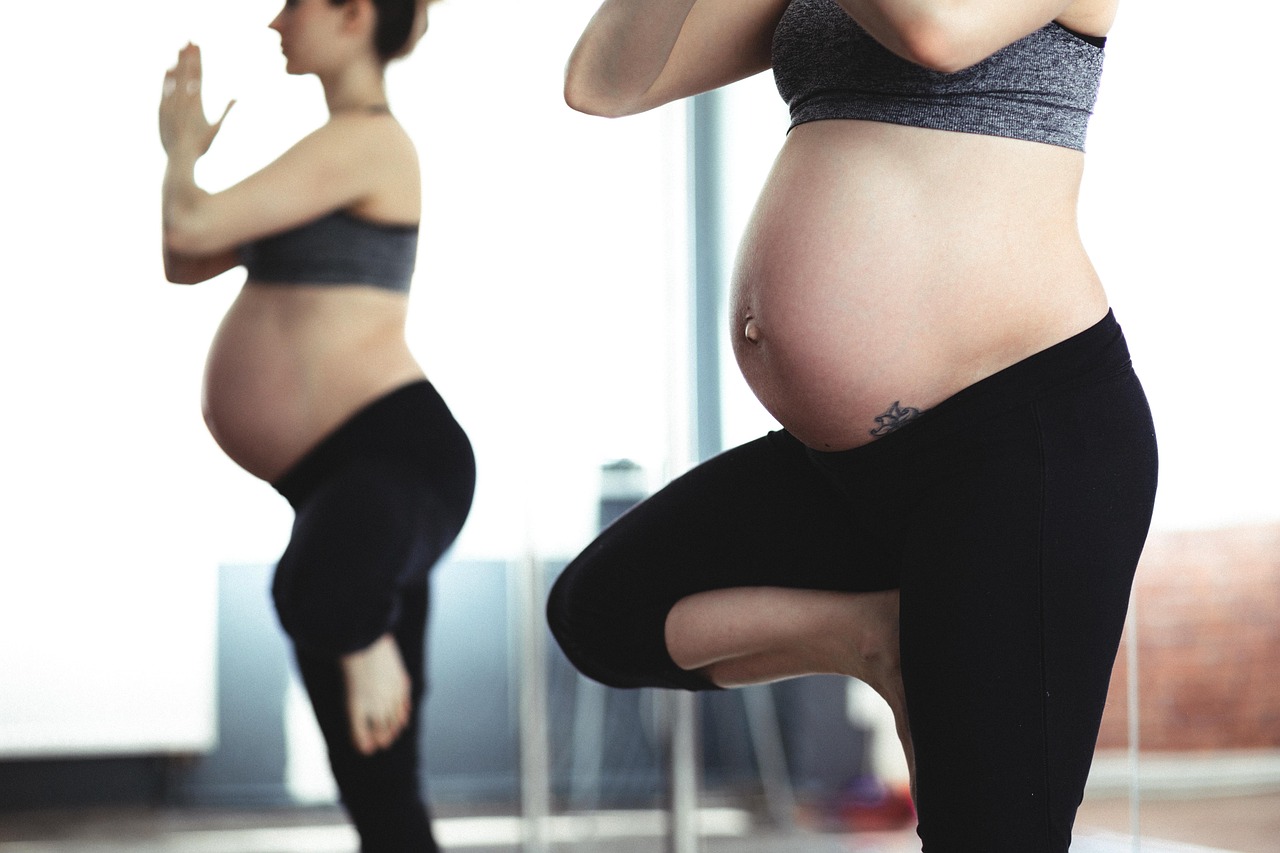
Embarking on the journey of pregnancy brings about numerous changes in a woman’s body, making prenatal dance fitness an excellent choice for maintaining health and flexibility. Dance fitness can be enjoyable and beneficial, especially for preparing the body for labor. Engaging in dance routines designed for prenatal women increases blood circulation, relieves tension, and enhances overall mood, which is pivotal during pregnancy. Moreover, dance encourages connection with the baby through rhythmic movements that emphasize breathing and body awareness. Various styles like belly dancing or gentle ballet can provide the right approach to fitness during this time. It’s essential to choose routines that focus on low-impact movements to ensure safety for the mother and baby. Regular participation in such fitness activities can lead to better stamina and strength. Additionally, it can pave the way for easier recovery post-delivery while facilitating emotional bonding with the child. Thus, prenatal dance fitness is more than just an exercise; it promotes well-being for both mother and baby, fostering a joyous atmosphere during this beautiful journey.
Understanding Pelvic Floor Strength
The pelvic floor is a group of muscles and tissues that support the pelvic organs in women, including the bladder, uterus, and rectum. During pregnancy, these muscles endure significant stress due to the growing fetus’s weight. This makes focusing on strengthening the pelvic floor crucial for the expecting mother. Engaging in specific exercises helps improve muscle strength, flexibility, and control within this area. Strong pelvic floor muscles can alleviate common pregnancy-related issues such as incontinence and can even reduce the risk of pelvic organ prolapse post-delivery. Techniques like Kegel exercises are essential and relatively easy to incorporate into daily routines. Kegels involve repetitive contractions and relaxations of the pelvic muscles, promoting better control. Additionally, equally important are the dance movements that involve hip opening, which can further enhance the strength of the pelvic region. Combining dance workouts with dedicated pelvic floor exercises develops a comprehensive fitness routine. Training this area can lead to improved labor conditions and quicker recovery, forming an integral part of prenatal dance fitness programs.
Benefits of Dance for Pelvic Strength and Flexibility
Participating in dance can be transformative during pregnancy, providing not just physical benefits but emotional upliftment as well. The flowing movements in dance can be particularly beneficial for strengthening the pelvic floor. Dance improves flexibility while encouraging muscle engagement, complementing specific pelvic floor exercises effectively. Variations in dance styles, such as Latin dance or gentle hip hop, can provide a fun way to engage the pelvic muscles dynamically. Additionally, many dance routines promote balance and coordination, essential for preventing falls, particularly as the body changes during pregnancy. The rhythmic cadence of music can also reduce anxiety and stress, enhancing emotional well-being. As you sway and twirl, your body releases endorphins, which nurture a sense of joy. This enjoyment can create a positive mindset, allowing for better stress management during pregnancy. Maximizing these benefits through structured classes will ensure you get the most from your time spent dancing. Look for classes specifically tailored for prenatal fitness to reap the true advantages of this nourishing activity. The combination of movement, music, and mindfulness is invaluable during this time.
Incorporating a combination of dance and pelvic floor exercises can create a balanced fitness routine. It’s vital to seek guidance from professionals who specialize in prenatal fitness for safe and effective practices. Many instructors can provide modified dance routines tailored for pregnant individuals, ensuring that the movements are appropriate for each stage of pregnancy. Regular attendance in classes can help you stay motivated while learning from experienced trainers who prioritize safety and health. Remember that listening to your body is crucial; if you feel discomfort, it’s essential to adjust your movements or seek advice. Hydration and proper nutrition also play significant roles in supporting overall fitness endeavors. Making time for self-care and prioritizing health will empower you throughout your pregnancy journey. Keep in mind that each pregnancy is unique, and approaches might need to adjust according to individual circumstances. Whether you choose a group class or practice at home, the goal remains the same: cultivating a supportive environment through prenatal fitness activities. Embrace the process fully, as it leads not only to physical capabilities but also to emotional resilience in preparing you for motherhood.
Choosing the Right Dance Program
When selecting a prenatal dance fitness program, it’s important to consider several factors for maximizing benefits. Start by checking if the classes are designed specifically for pregnant women, with modifications for various trimesters. Instructor qualifications should also be verified; experienced instructors who hold certifications in prenatal fitness can provide valuable guidance in adjusting routines as needed. Familiarity with the curriculum is crucial—look for classes that blend cardiovascular exercises with strength-focused routines targeting the pelvic floor. Additionally, ensure that the dance styles offered resonate with your preferences, whether they involve gentle movements or more upbeat rhythms. It’s perfectly acceptable to try a few classes to determine which environment feels right for you. Engaging with other moms-to-be in group settings can foster community and support during this transformative period. Consider location, class schedules, and the overall atmosphere of the space as well. Remember, the ultimate goal is to find joy in movement, cultivate friendships, and reinforce your physical strength—all fundamental aspects of a fulfilling prenatal experience.
Additional Tips and Techniques
On your journey to prenatal dance fitness, various extra tips can enhance your experience and results. Prioritize comfort in what you wear; choosing breathable, stretchy fabrics will allow for fluid movement. Using supportive footwear can prevent undue strain on the feet, which may be more sensitive during pregnancy. Engaging in a warm-up routine before classes is essential to prepare your body for dancing; this helps in preventing injury as well. At home, create a designated dancing space to practice your routines freely, equipped with a mirror to observe posture and form. Including breathing exercises can elevate your practice, helping connect the mind with the body. Utilize technology by accessing online prenatal dance classes if physical attendance proves challenging. Many platforms offer high-quality instructional videos at your convenience. Engaging with mobile apps specifically developed for prenatal fitness can further guide your routine and ensure you stay informed about techniques that address pelvic health. These combined practices will empower your journey into motherhood, instilling confidence while developing a strong foundation through dance.
Ultimately, embracing prenatal dance fitness enriches not just physical health, but provides emotional support during a significant life transition. Enhancing pelvic floor strength through both dance movements and specialized exercises allows for greater body awareness and control, vital as you prepare for childbirth. The journey of motherhood is unique for each woman, and embracing the excitement, joys, and challenges it brings fosters a deeper connection with your baby. By integrating calming techniques and physical fitness into your routine, you create an environment that promotes well-being. Dance opens up opportunities for expression while nurturing the bond with your growing child. Commitment to consistent exercise can produce lasting benefits, extending beyond pregnancy into postnatal recovery and improved maternal wellbeing. This approach ultimately transforms how you view movement and health overall. Join supportive communities that share insights and celebrate during classes, and you’ll cultivate friendships that extend beyond your journey into motherhood. All these factors contribute significantly to a joyous and well-rounded pregnancy experience. Engage actively, keep exploring, and cherish every moment, as time spent in movement will lay a healthy foundation for the future.