
The Science Behind Calisthenics Injury Mechanisms
Calisthenics, a form of strength training, emphasizes bodyweight exercises, which can lead to injuries primarily through improper technique and insufficient preparation. An understanding of common injuries such as tendonitis, sprains, and strains is crucial for any enthusiast. Tendonitis, particularly in the shoulders and elbows, often arises due to overuse and repetitive motions. Sprains typically occur in joints, usually as a result of falling or improper stabilization during demanding moves. Strains, on the other hand, stem from overstretching or overloading a muscle or tendon. To mitigate these risks, adhering to a well-structured warm-up routine and focusing on form improves safety. Moreover, acknowledging personal limits and progressively increasing difficulty levels is vital to prevent injuries. The body’s response to the stress from calisthenics demands attention to recovery techniques like rest and proper nutrition, which enhance performance. Listening to your body signals fatigue or discomfort, allowing adjustments to your routine helps to avoid injuries. Engaging in complementary activities such as flexibility training enriches performance while reducing injury risk. Thriving in calisthenics means recognizing the balance between challenge and safety, ensuring longevity in practice.
Understanding Overuse Injuries
Overuse injuries in calisthenics often emerge from undertaking too much too soon or failing to allow adequate recovery time. One prevalent injury, rotator cuff tendonitis, commonly affects practitioners who perform excessive overhead movements, like muscle-ups or handstands. Individuals may not realize the importance of gradual progression; increasing workout intensity, volume, or complexity without proper adaptation leads to strain. Another prevalent issue is elbow tendonitis or “tennis elbow”; individuals usually develop pain in the elbow joint due to repetitive gripping and swinging motions. Lower body injuries can also occur, particularly in the knees during exercises such as squats or jumps if performed with poor form or overwhelming load. To decrease the risk of overuse injuries, integrating rest days and cross-training is essential. Activities like yoga or swimming can maintain fitness without causing excessive strain. Establish specific goals, aligning your training regimen with your body’s ability, while incorporating periodic assessments. Applying variations within your workouts simplifies muscle recovery and can lead to better results. It’s imperative for practitioners to continuously educate themselves on injury prevention methods to ensure a sustainable and enjoyable calisthenics journey.
Mobility is a crucial aspect of calisthenics that many overlook, significantly impacting injury prevention. Without proper mobility, practitioners may struggle to execute movements with precision, increasing injury risk. Core exercises, for example, require not only strength but also adequate mobility in the hips and shoulders. Incorporating dynamic stretching into your warm-up can improve joint range of motion, enhancing overall movement efficiency. A well-rounded flexibility routine addresses tight muscles, safeguarding the body from undue stress. Areas like the shoulders, hips, and hamstrings deserve particular focus, as tightness in these regions often leads to improper form. Moreover, techniques such as foam rolling may alleviate muscle tension, enhancing recovery and improving mobility. Additionally, maintaining a well-balanced workout regimen that balances strength with functional mobility training fosters joint stability and resilience. Ensuring that your practice encompasses varied movement patterns prepares the body for the demands of calisthenics. Gradually integrating advanced movements allows for adaptation, helping prevent injuries related to sudden change in exercise intensity. Prioritize mobility alongside strength, ensuring a holistic approach to calisthenics. The journey towards injury-free training fosters longevity and satisfaction in your bodyweight fitness endeavors.
Warm-Up and Cool-Down Techniques
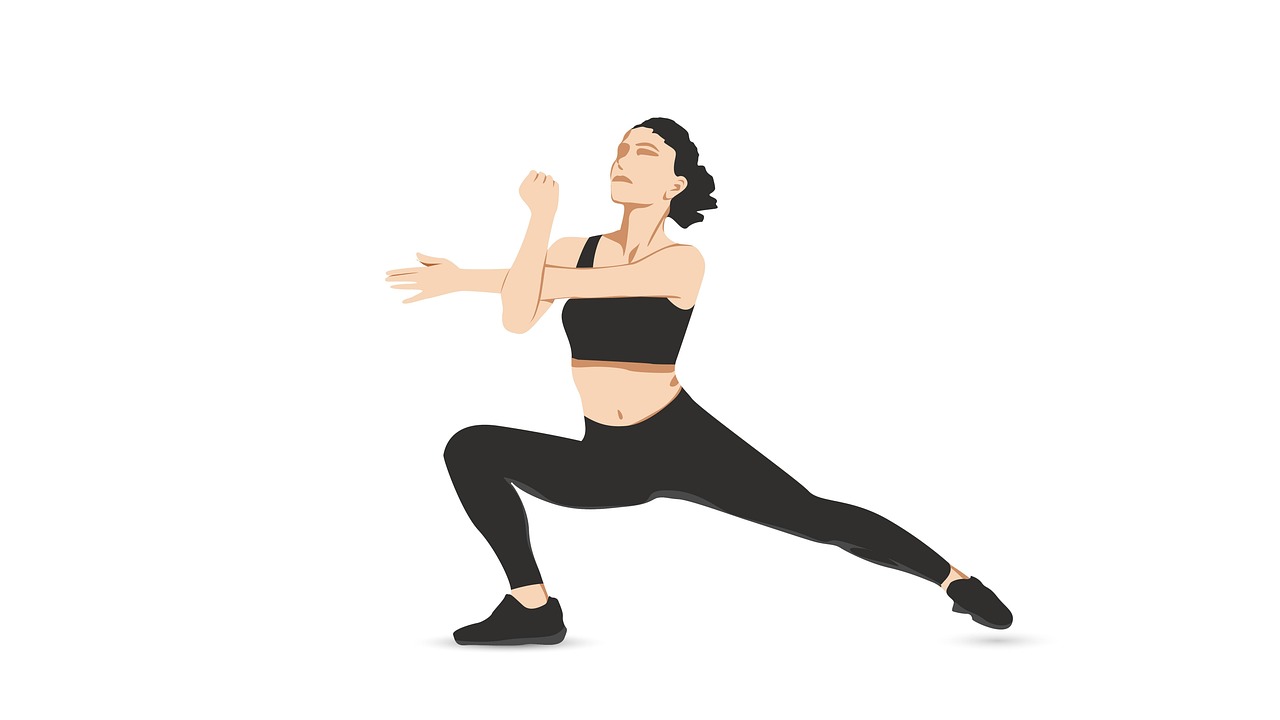
Implementing effective warm-up and cool-down techniques plays a significant role in preventing injuries during calisthenics workouts. A comprehensive warm-up routine enhances circulation to muscles and increases flexibility, preparing the body for physical exertion. Dynamic stretching should precede intense activity, emphasizing movements specific to calisthenics exercises being performed. For instance, shoulder circles and leg swings can prepare muscles for movements like dips and squats. Gradual increases in intensity allow your body to adapt to the demands of each workout. Conversely, cool-down practices facilitate recovery by reducing muscle soreness and stiffness. Static stretching post-workout helps restore muscle length and reduces tension, promoting flexibility and joint range of motion over time. Combining both warm-ups and cool-downs can foster not only injury prevention but also improved overall performance. Furthermore, the mental aspect of preparing for a workout cannot be overlooked; allowing sufficient time to focus enhances concentration and reduces the likelihood of mistakes. Abiding by these foundational practices creates a disciplined training mindset, ultimately contributing to a more effective and safer calisthenics experience. Prioritize dedicated time for warm-ups and cool-downs for more rewarding fitness endeavors.
Proper technique in calisthenics exercises is essential in preventing common injuries and ensuring effective training. Many beginners rush into workouts without understanding the mechanics behind each movement, increasing their injury risk. Basic moves such as push-ups and squats require attention to form and alignment for safety. For example, during a push-up, it’s vital to maintain a straight back and engage the core to prevent shoulder strain. Similarly, proper squat mechanics involve keeping the knees aligned with the toes, preventing undue pressure on joints. Investing time in mastering form through progressive training and technique drills mitigates the risks associated with advanced movements. It may be beneficial to seek guidance from experienced trainers or instructional videos to reinforce proper form. Additionally, utilizing mirrors during training sessions can provide instant feedback for technique adjustments. Regular evaluations of your form, coupled with feedback from peers or professionals, serve to cement good habits. Ensuring that exercises are performed with proper technique fosters not only safety but also greater efficiency, enabling practitioners to achieve their fitness goals without injury. Thus, ongoing education and commitment to technique is paramount for anyone training in calisthenics.
The Role of Recovery in Injury Prevention
Recovery is a fundamental element in preventing injuries amongst calisthenics enthusiasts, as it allows the body to repair and strengthen itself after strenuous workouts. Failure to prioritize recovery can lead to fatigue, decreased performance, and an increased likelihood of injuries. Active recovery strategies, including light exercises or mobility work on rest days, promote blood flow and overall muscle health. Adequate sleep—aiming for 7-9 hours each night—ensures the body is well-rested to handle training demands. Nutrition also plays a vital role, focusing on balanced meals containing protein, carbohydrates, and healthy fats aids muscle recovery. Hydration is equally important; water helps in muscle repair and overall bodily functions. In addition, incorporating self-care techniques such as massages or foam rolling can alleviate muscle tightness and enhance recovery time. Scheduling regular deload periods within your training plan allows for necessary breaks, promoting long-term progress while minimizing injury risks. Listening to your body regarding its recovery needs cannot be overstated; practicing patience ensures sustainability and longevity in your training. Ultimately, embracing recovery as a priority is essential for a successful and injury-free calisthenics journey.
Lastly, understanding the importance of appropriate equipment in calisthenics can contribute significantly to preventing injuries. While calisthenics primarily utilizes body weight, the surfaces and gear used during workouts impact safety and performance. Practicing on soft surfaces, like gym mats, can reduce the risk of impact-related injuries in exercises involving jumps or falls. Using equipment such as resistance bands or yoga blocks facilitates gradual progression through various movements, allowing for better control over body mechanics. Additionally, grip aids, like gymnastic grips or gloves, enhance performance in challenging grips, reducing slipping and subsequent injuries. The right footwear offers cushioning and support, ensuring safer landings or transitions during dynamic movements. Moreover, supplementing workouts with supportive gear encourages joint stabilization, particularly during advanced exercises. Inspecting equipment for wear and tear is vital; any damaged gear should be replaced immediately to prevent accidents. Incorporating these safety measures alongside proper training practices ensures that enthusiasts are well-equipped for their calisthenics journey. Prioritizing equipment safety not only augments performance but ensures a more enjoyable training experience while safeguarding against injury.
Conclusion on Injury Mechanisms
In conclusion, having knowledge about the common injuries associated with calisthenics, including their prevention methods, equips practitioners for a safer journey in their fitness endeavors. Recognizing the signs of overuse, focusing on proper technique, and prioritizing mobility and recovery play pivotal roles in injury prevention. Developing a strong foundation in these elements ensures longevity and fosters progressive improvements in strength and endurance without setbacks from injuries. Implementing warm-up and cool-down routines enhances performance and sets the stage for rewarding workouts. Evaluating progress and reassessing goals facilitates a coaching mindset, enabling better adaptation to training demands. Utilizing appropriate equipment and creating a conducive training environment also reduces injury risks, emphasizing the importance of safety. Overall, training in calisthenics blends physical development with an understanding of body mechanics for well-rounded fitness. By embracing these principles, practitioners can thrive in their calisthenics practices, achieve their goals, and maintain an injury-free experience over time. Thus, being proactive about injury prevention shapes a more successful and fulfilling journey in bodyweight training.