
Role of Nutrition and Hydration
Nutritional balance significantly impacts the effectiveness of balance training in individuals with Parkinson’s Disease. Proper nutrition contributes to overall health, muscle function, and energy levels, all of which play critical roles in maintaining balance. Specific nutrients are essential for individuals with Parkinson’s, as they support cognitive and physical functioning. Nutrients like omega-3 fatty acids found in fish, nuts, and seeds, support neural health and communication. Antioxidant-rich fruits and vegetables help combat oxidative stress, while sufficient B vitamins ensure cellular energy production. To enhance balance training outcomes, one must focus on a diet incorporating whole grains, lean proteins, healthy fats, and a colorful variety of fruits and vegetables. Hydration also cannot be overlooked, as dehydration can lead to reduced strength and coordination, exacerbating balance issues. Drinking ample fluids throughout the day aids muscle function, cognitive clarity, and overall physical performance. Therefore, maintaining proper nutrition and hydration is crucial for optimizing balance training effectiveness in individuals dealing with Parkinson’s Disease. This proactive approach can foster improved overall stability and quality of life, underscoring the importance of dietary considerations in rehabilitation efforts.
A well-balanced diet tailored to the individual’s needs can effectively support balance training activities. Incorporating foods rich in nutrients provides the foundation for sustaining energy throughout workouts. Adding complex carbohydrates such as whole-grain bread and oatmeal can help stabilize blood glucose levels, offering consistent energy. Lean proteins such as chicken, fish, and legumes assist in muscle repair and development. Additionally, healthy fats from nuts, avocados, and olive oil contribute to overall wellness and may enhance endurance levels during physical activity. As individuals with Parkinson’s experience various physical changes, monitoring nutrient intake becomes crucial, particularly when designing meal plans that support training regimens. Supplementation may also be beneficial. Some individuals may find it challenging to meet nutritional requirements solely through food. Consulting with a healthcare professional specializing in nutrition can yield personalized recommendations for vitamins, minerals, and other supplements to complement a balanced diet. Moreover, these tailored approaches consider individual preferences, dietary restrictions, and cultural factors. Thus, balancing structured nutritional guidance with a personalized focus can lead to optimal engagement and compliance when managing Parkinson’s-related symptoms during balance training.
The Importance of Hydration
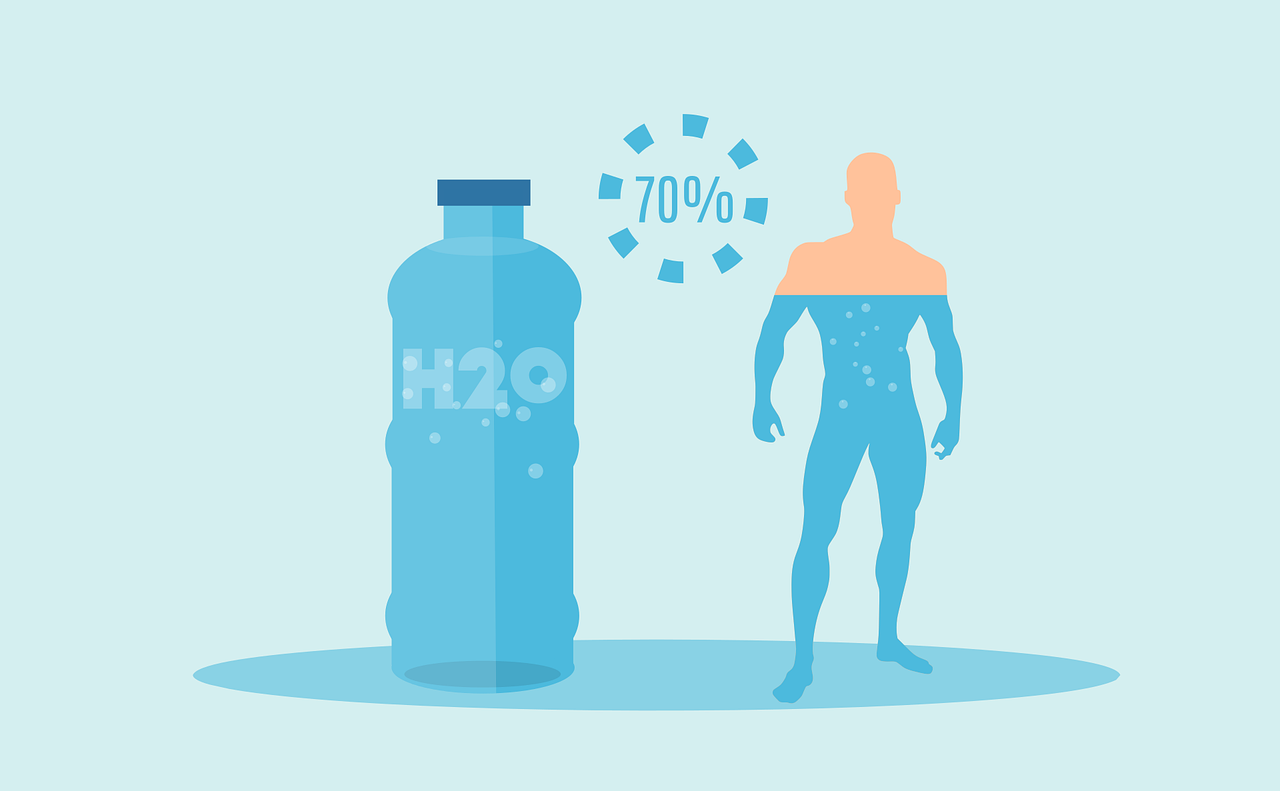
Hydration plays a pivotal role not just in daily functioning but especially while engaging in balance training for Parkinson’s patients. The challenge many face is often a lack of awareness regarding moisture depletion, as symptoms may not be immediately apparent. Insufficient hydration can lead to dizziness, confusion, and muscle cramps during exercise sessions, severely limiting effectiveness. Consuming water regularly and incorporating hydrating foods such as cucumbers, oranges, and watermelon can promote optimal hydration. Additionally, monitoring fluid intake becomes crucial, as exercise may increase the need for fluids significantly. Specifically, individuals should aim to drink water before, during, and after training to replenish lost fluids. Developing a habit of keeping a water bottle nearby can support this goal. However, every individual’s hydration requirement can vary based on exercise intensity, weather conditions, and individual health status. Therefore, assessing these parameters becomes essential in tailoring hydration strategies. For individuals with advanced Parkinson’s, approaching hydration proactively can complement balance training and result in safer, more effective workouts. Thus, proper hydration should be viewed as an integral component of any comprehensive balance training regimen.
Alongside nutrition and hydration, timing meals can significantly affect training outcomes. Consuming a substantial meal one to two hours prior to balance training can fuel the body effectively and enhance performance. This meal should be rich in macronutrients, including carbohydrates and proteins, to ensure sustained energy output. For those who struggle to eat before exercising, consuming smaller snacks like a banana or yogurt may provide the necessary boost. Post-workout nutrition is equally important. Consuming protein and carbohydrates within 30 minutes following training can facilitate muscle recovery and replenish glycogen stores. This could mean enjoying a smoothie or a nut butter sandwich. The synergy between pre and post-training meals can enhance recovery and overall effectiveness of exercise sessions. Furthermore, planning meals around training schedules helps to create mindfulness regarding food choices. By establishing routines that consider nutrition timing, individuals facing Parkinson’s can better adhere to their dietary needs. Ultimately, merging nutrition strategies with balance training offers comprehensive benefits, improving physical outcomes and enhancing the overall training experience, which is crucial for maintaining an active lifestyle despite Parkinson’s challenges.
Challenges in Implementation
While encompassing these dietary considerations offers substantial benefits, many challenges exist in implementation. Individuals with Parkinson’s may face various obstacles in maintaining a balanced diet and adequate hydration levels. These can include medication side effects altering appetite or taste perception, potentially leading to nutritional deficiencies. Cognitive impairment can also hinder individuals from preparing or consuming healthy meals independently. Functional limitations affecting mobility can make grocery shopping and food preparation difficult, impacting dietary choices. Additionally, lifestyle factors play an important role; social isolation may deter individuals from cooking or sharing meals. Finding solutions to these challenges requires thoughtful planning and community support. Engaging family members or caregivers can foster a supportive environment, promoting better dietary choices. Consulting with a nutritionist specializing in Parkinson’s can offer individualized strategies to cater to specific needs effectively. Meal prep services or community meal programs can alleviate the burden of food preparation. Overall, addressing these challenges with practical solutions can empower individuals to prioritize nutrition and hydration. As a result, they can maximize the advantages gained from balance training and enhance their quality of life throughout the condition’s progression.
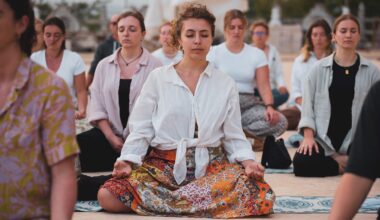
Integrating social engagement with nutrition and balance training opens up new avenues for motivation and adherence. Participating in group balance classes can foster community support, where individuals are encouraged to stay consistent with their training routines. Social dining experiences can facilitate healthier eating habits among participants as well. Sharing meals creates opportunities for discussing nutritional practices and exchanging recipes, promoting a sense of camaraderie. Furthermore, exploring meal-prep workshops can also encourage group participation, helping individuals with Parkinson’s learn how to prepare nutritious foods effectively within their capabilities. This communal approach builds accountability, reinforcing positive dietary habits while integrating support systems. Communities that facilitate social engagement create safe spaces where individuals can discuss their needs and challenges with both exercise and nutrition. Building such networks enhances adherence to balance training and the nutrition necessary for optimal results. Ultimately, a well-rounded approach that combines community support, nutrition, and exercise empowers individuals as they navigate their daily struggles. By fostering an inclusive, encouraging environment, individuals can feel equipped and motivated to take charge of their health and well-being, thereby enhancing their overall quality of life amidst the challenges posed by Parkinson’s Disease.
Conclusion and Future Directions
In conclusion, the roles of nutrition and hydration are integral to effective balance training for individuals with Parkinson’s Disease. Through a multifaceted approach, emphasis must be placed on creating balanced meal plans that suit individual preferences and capabilities. Encouraging timely eating and adequate hydration can vastly improve training outcomes and therefore enhance overall quality of life. Furthermore, addressing common challenges and fostering supportive communities can empower individuals to embrace proactive dietary practices. As evidence continues to mount regarding the effectiveness of integrated nutrition and hydration in exercise regimens, future research should explore innovative strategies promoting these essential practices. For instance, providing practical resources, such as meal prep, should become routine offerings within rehabilitation programs. Moreover, continuing education around dietary practices must be made accessible for both individuals living with Parkinson’s and their support systems. Ultimately, the synergy between nutrition, hydration, and balance training can yield substantial benefits for individuals navigating the complexities of Parkinson’s Disease. Therefore, recognition of these elements in treatment paradigms can not only foster better health outcomes but can also enhance life quality significantly for those affected.
The combined focus on nutrition, hydration, and balance training will create a holistic framework that supports individuals affected by Parkinson’s Disease in maintaining independence and enhancing their quality of life. Therefore, prioritizing these factors presents a clear path toward better support systems in both therapeutic and community settings.