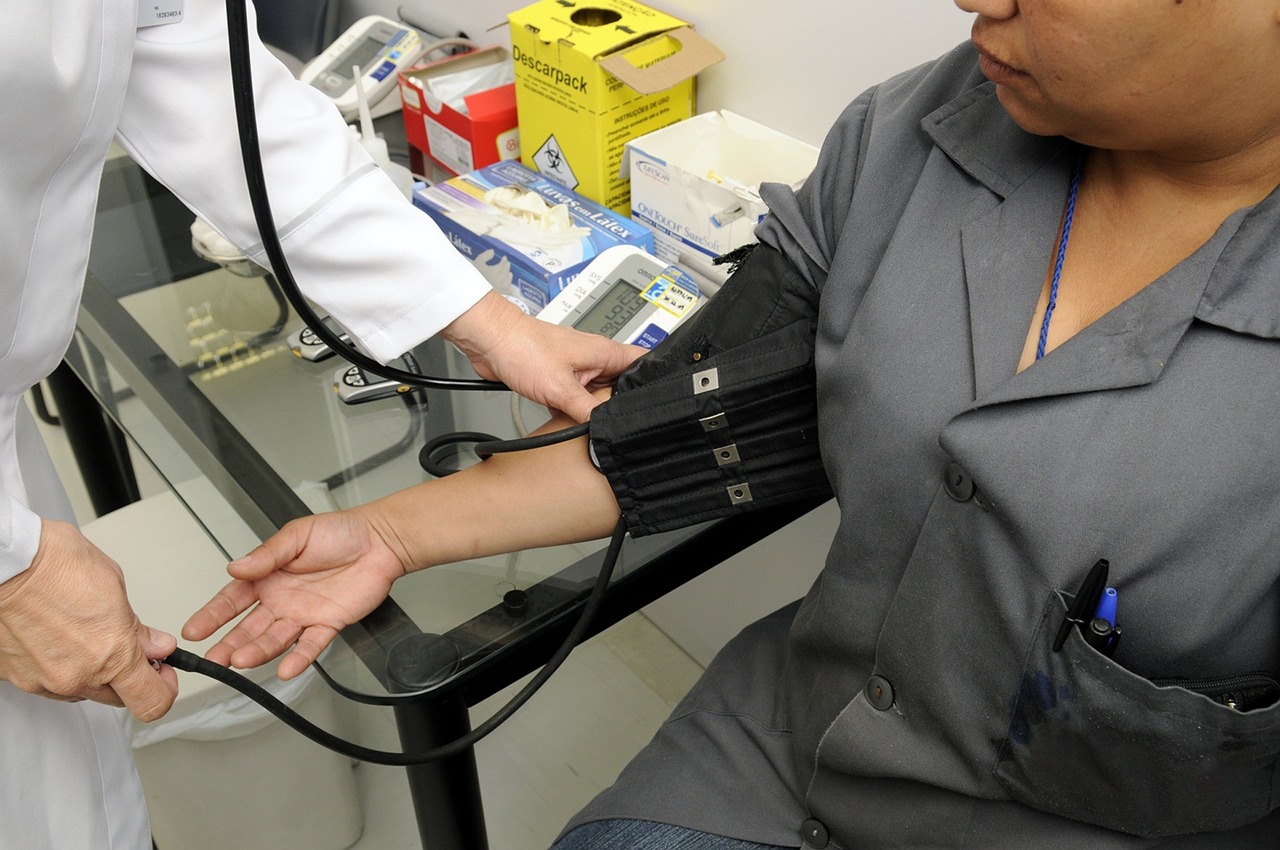

Periodic Health Assessments for Active Individuals
Regular health assessments are crucial for individuals engaging in physical activity to monitor overall health and performance. These assessments are designed to identify potential risks and provide necessary guidance. Conducting regular evaluations can reveal insight into cardiovascular fitness levels, muscular strength, flexibility, and body composition. Understanding these metrics helps participants manage training loads effectively. Several factors influence the assessment outcomes, including age, gender, and exercise habits. An active individual should engage in periodic evaluations to enhance longevity in their sport and reduce injury risk. Furthermore, the results from these assessments facilitate personalized training programs catering to individual needs, leading to improved performance. Various organizations recommend frequency according to activity levels, with recommendations suggesting at least biannual reviews. While physical examinations are standard, assessing lifestyle factors like nutrition and mental health are increasingly critical. Consulting with trained professionals can help individuals interpret results meaningfully and implement changes to their routines. Completing a comprehensive assessment ensures that active individuals remain at their healthiest and most capable during training sessions and competitions.
Individuals participating in strenuous activities may benefit from pre-participation screening. This specialized evaluation addresses congenital heart conditions, recent injuries, or illnesses. A thorough screening history can aid in recognizing any pre-existing conditions that could affect performance or safety. Recommendations from organizations like the American College of Sports Medicine advocate for medical histories to be thoroughly assessed. Post-exercise recovery rates often signify cardiovascular efficiency, and understanding these rates is essential. Active individuals can also leverage metabolic assessments during their periods of training to gauge energy expenditure. Comprehensive assessments can evaluate a participant’s functional movement patterns, revealing weaknesses or imbalances that could lead to injury in training. It’s important to take these insights into account to enhance training protocols. Evaluating physical, psychological, and social aspects can yield a holistic understanding of the individual’s readiness to engage in their sport optimally. Nutritional assessments accompany these evaluations to ensure that the athlete’s dietary intake supports their energy needs. Combining these assessments produces a more robust profile for individuals aiming for optimal performance.
Key Components of Health Assessments
A well-rounded health assessment for active individuals incorporates a variety of evaluation components to provide more than just a snapshot of physical capabilities. Key tests often include cardiovascular assessments, namely VO2 max tests, which measure aerobic capacity. Such tests can sometimes be conducted on treadmills or stationary bikes within controlled environments. Additionally, strength and functional movement screenings can highlight potential joint or muscle problems. Flexibility assessments, commonly done through sit-and-reach tests, gauge the range of motion, helping to prevent injuries associated with rigid musculature. Body composition analyses offer insight into fat mass versus lean muscle, pointing towards the individual’s metabolic health and fitness levels. Moreover, psychological evaluations can address stress levels and mental well-being, both integral to athletic performance. Multiple assessments combined help in creating tailored training regimens. These tailored programs maximize gains while minimizing the risks associated with overtraining. Professionals often utilize performance metrics acquired from regular assessments to adjust the athlete’s training loads. Consequently, proactive health assessments not only improve health but also enhance the overall enjoyment of the sport.
Following periodic assessments, feedback is essential for continued improvement and adaptation. Active individuals must collaborate with health professionals to interpret their results accurately. For example, understanding the implications of body composition changes can inform nutritional strategies. Likewise, tracking fitness progression offers motivation and the opportunity to celebrate achievements. With the wide range of data available, athletes can implement evidence-based changes to their training regimens. Moreover, recognizing patterns of fatigue can prevent the plateau effect, preserving continued progress. When assessments demonstrate unmet fitness goals, it indicates the need for adjustments to the training plan. Professional guidance ensures that alterations remain safe but effective. These modifications don’t solely focus on physical outcomes; mental health strategies should be included to foster resilience. Peer discussions amongst active participants can provide additional support and encouragement. Using an accountability system through regular meetings creates motivation while steering the assessment process. Celebrating small victories fosters a productive mindset and sustains enthusiasm for ongoing training. Ultimately, a comprehensive approach emphasizing feedback allows active individuals to remain proactive regarding their physical and mental health throughout the athletic journey.
Long-term Benefits of Regular Assessments
The long-term advantages of regular health assessments enable active individuals to enjoy a sustainable relationship with physical activity. Consistently assessing health metrics reduces the likelihood of injuries and chronic conditions, which can derail training efforts. Gaining insight into one’s fitness levels promotes confidence and a positive self-concept that often translates into enhanced performance. For example, individuals demonstrating improvement in physical assessments are more inclined to pursue higher intensity workouts and set ambitious goals. The proactive approach results in a well-rounded fitness routine built on longevity rather than fleeting successes. Additionally, regular assessments highlight areas requiring attention, allowing early intervention to mitigate risks altogether. Long-term participants are also better equipped to manage age-related declines in physical capabilities. These assessments often lead to adaptations in training regimens to meet evolving fitness needs. Furthermore, establishing a relationship with health professionals cultivates trust and guidance for other wellness aspects, including nutrition and mental well-being. Overall, individuals dedicated to regular health assessments experience a profound enhancement in their quality of life, leading to improved lifestyle outcomes for many years.
To complement periodic health assessments, engaging in consistent physical evaluations post-assessment can further amplify benefits. Often, athletes overlook the importance of routine check-ins due to busy schedules. Emphasizing consistency fosters a habit of self-reflection regarding one’s physical wellness. For example, setting interval check-ins with a trainer can motivate ongoing physical activity. Individuals committed to regular reviews are often more aware of their body’s signals for fatigue and recovery. Moreover, creating a structured environment promotes accountability when facing the challenges of maintaining an active lifestyle. Trained professionals can help set realistic benchmarks that facilitate progress tracking. These assessments promote a mindset focused on creating achievable milestones. In other words, they provide concrete metrics for athletes to gauge improvements effectively. Additional follow-ups can help reinforce tailored programs that adapt as training progresses. Incorporating technology, such as applications or wearables, assists in tracking results and pushing ongoing improvements. These stay-at-home consultations and tracking apps can also help monitor diet and recovery habits. A comprehensive approach combining these factors maximizes overall health while keeping motivation high. Engaged athletes can enjoy enduring advantages from regular evaluations that promote long-term results.
Conclusion: The Importance of Commitment
Ultimately, the commitment to periodic health assessments serves as a foundational component for active individuals wishing to thrive in their pursuits. Building a culture around consistent evaluations fosters not only personal accountability but a community of support among peers. As individuals grow more informed, they can become proactive advocates for their health, both for themselves and those around them. Awareness leads to smarter choices regarding exercise routines, nutrition, and overall well-being. This culture contributes to reducing the stigma surrounding mental health discussions, which are crucial for athletes. Regular dialogues open avenues for sharing experiences and seeking professional guidance when necessary. Additionally, integrating education programs into health assessments can empower participating individuals to take a more active role. Collaborating with health experts creates a sustainable model where assessments lead to informed decisions. Progress becomes quantifiable rather than abstract, encouraging ongoing ambition. Recognizing that health assessments lay the groundwork for a healthy lifestyle fuels the motivation needed to pursue fitness goals. By making regular health checks a priority, active individuals experience improved performance while cultivating resilient habits sustaining a vibrant lifestyle.
Employing diverse methodologies in periodic assessments are vital in delivering comprehensive insights across a spectrum of health metrics suitable for active individuals. These methodologies typically encompass cardiovascular tests, strength evaluations, flexibility measurements, and more. Conducting a thorough assessment, which might also explore muscular endurance, helps identify areas for improvement specific to the active individual’s sporting discipline. Recognizing whether someone needs to focus on cardiovascular efficiency or strength helps tailor training regimens accordingly. A multifaceted approach is essential as it explores various attributes influencing performance. Implementing technology continues to shape assessments positively, improving precision and efficacy. Current data collection methods employing wearable tech and health applications have revolutionized how athletes assess their readiness and recovery. Analyzing metrics equipped from these devices provides a clear metric for performance analyses. Regiments can then pivot based on real-time data collected, promoting individualized recovery interventions. Moreover, it aligns with athlete-specific validations, ensuring that strategies remain relevant to personal goals. As time advances, continuous evaluation ensures that athletes adapt health strategies as required. This focus on well-being and personal growth aids in sustaining improvement and motivation through tailored training paths.