
How Alcohol Impacts Hydration and Detoxification Processes
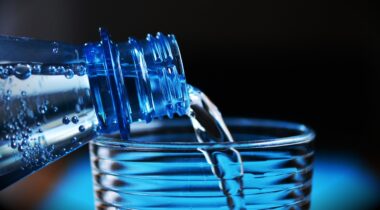
Hydration plays a crucial role in detoxification, particularly when it comes to the consumption of alcohol. Alcohol is a diuretic, which means it increases urine production, leading to potential dehydration. When you consume alcoholic beverages, your body may lose essential fluids more rapidly. This fluid loss can hinder the body’s ability to eliminate toxins effectively. Adequate hydration aids the liver and kidneys, which are pivotal organs in detoxification, during this process. Consuming water before, during, and after alcohol intake can significantly mitigate these adverse effects. Hydrating effectively not only helps maintain fluid balance but also supports the organs responsible for detoxification. Moreover, combining water with electrolytes can further enhance hydration. Notably, electrolytes like potassium and sodium are vital for maintaining bodily functions. Staying hydrated influences your overall health by mediating the effects of alcohol on your system. Understanding the connection between alcohol and hydration is essential to manage detoxification. In conclusion, careful attention to hydration during alcohol consumption can substantially aid your body’s natural detoxifying processes.
Understanding the metabolic processes of alcohol is also vital. Alcohol metabolism predominantly occurs in the liver, where enzymes break down the substance into various byproducts. When alcohol is consumed excessively, it can overwhelm the liver’s capacity to process it efficiently. This overload can lead to the buildup of toxic byproducts like acetaldehyde. This compound contributes to hangovers and more severe health problems when not eliminated promptly. Reduced hydration exacerbates these effects, making it crucial to ensure adequate water intake during alcohol consumption. Additionally, dehydration can impair cognitive function and physical performance, compounding the negative experience of intoxication. Drinking water can prevent hangovers by assisting the body in detoxification. A useful strategy is to consume a glass of water between each alcoholic drink, which encourages hydration while slowing the intake of alcohol. Keeping a water bottle handy can be an easy way to remind yourself to hydrate. Ultimately, understanding how alcohol impacts the detoxification process can allow for more responsible drinking habits. Remember to balance alcohol with sufficient hydration to promote health and well-being, especially during social events.
Effects of Dehydration on the Body
Dehydration results in numerous adverse health effects, primarily when alcohol is involved. When the body is dehydrated, its ability to regulate temperature and maintain cardiovascular function suffers significantly. This can increase the risk of heat-related illnesses and negatively impact workout performance. Besides affecting physical health, dehydration can blur cognitive functions, leading to poor decision-making while under the influence of alcohol. Chronic dehydration can also lead to more severe complications, such as kidney stones and urinary tract infections, particularly in conjunction with alcohol use. Drinking alcohol exacerbates these risks, as the diuretic effect leads to an increase in water loss. It is essential to be aware of these potential dangers and take proactive measures. One effective solution is to monitor fluid intake while drinking alcohol. Keeping track of alcohol and water consumption helps maintain hydration balance. Furthermore, listening to your body’s cues can guide hydration needs. Drinking before feeling thirsty can help prevent dehydration before it occurs. Practicing hydration can promote long-term health, especially after engaging in activities that involve alcohol, making it a wise choice for everyone.
Using specific beverages to bolster hydration can make a significant difference in detoxification. For example, mineral water or electrolyte-infused drinks can replenish lost fluids and maintain hydration balance, especially if consumed with alcoholic beverages. These drinks can counteract the depletion of crucial nutrients and support the body’s capacity to eliminate toxins effectively. Additionally, low-sugar sports drinks can help facilitate hydration without adding unnecessary calories. Coconut water is another excellent option as it contains natural electrolytes that can aid in hydration. Consuming herbal teas, such as ginger or chamomile, can also be beneficial after drinking alcohol. They are known for their soothing properties alongside hydration benefits. However, always be cautious of caffeinated beverages like coffee or energy drinks as they may exacerbate dehydration. When selecting drinks for hydration while alcohol consumption occurs, aim for options with natural ingredients. Avoid heavily processed drinks loaded with sugar and artificial flavors. Following a mindful approach to hydration can enhance the body’s detoxification processes and reduce alcohol’s negative effects. In sum, considering hydration methods will empower you towards better choices when socializing.
Practical Tips for Maintaining Hydration
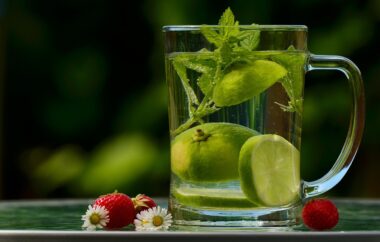
There are several practical tips for maintaining hydration that can prove valuable, especially when alcohol is involved. First, make it a habit to drink water before being in social situations that involve alcohol; this sets a foundation of hydration. Second, consider having a glass of water for every alcoholic drink consumed. This practice helps maintain hydration levels while allowing for a more controlled drinking pace. Next, incorporating hydrating foods into your diet, such as cucumbers, watermelon, and oranges, can boost fluid levels without feeling cumbersome. Additionally, setting a hydration goal for each drinking session can keep you accountable. For example, aim for at least two glasses of water within two hours of drinking alcohol. You can also enhance your drinks by adding fruits or herbs, like lemon or mint, which can encourage better hydration practices. Staying aware of your body’s signals is also essential; signs of dehydration include dry mouth, fatigue, and lightheadedness. By implementing these straightforward tips, you can create a routine that promotes hydration and supports your detoxification process, regardless of social settings.
Understanding the impact of alcohol on hydration and detoxification can foster healthier drinking habits. Alcohol’s dehydrating effects make it paramount to increase water intake during social events that include its consumption. Moreover, the body’s detoxification processes depend significantly on hydration; maintaining balanced fluids supports organ functions vital for processing toxins. By prioritizing hydration, individuals can manage alcohol’s negative effects more effectively and reduce the risk of dehydration-related health issues. Aim to incorporate water breaks between alcoholic drinks to make it a standard practice. Using hydration-tracking apps can serve as reminders to maintain fluid intake while socializing. These easy actions can be life-changing, promoting overall well-being despite a nightlife culture that celebrates alcohol consumption. Furthermore, staying informed about alcohol’s impact on hydration can empower us to make conscious choices. You can have a good time and stay healthier by choosing to hydrate. Ultimately, a responsible approach to drinking and hydration will lead to better long-term health outcomes. By educating yourself about the detoxification role of hydration, you can navigate social scenarios more confidently and healthily.
Conclusion: A Balanced Approach
In conclusion, alcohol can significantly impact hydration and detoxification processes in the body. To successfully navigate the challenges presented by alcohol consumption, it becomes essential to adopt a balanced approach. Recognizing the deleterious effects of dehydration can help individuals make informed decisions about their drinking habits, particularly in social settings. Prioritizing hydration before, during, and after drinking sessions fosters a supportive environment for the organs involved in detoxification. By taking actionable steps such as drinking water between alcoholic beverages, infusing drinks with electrolytes, and incorporating hydrating foods into your diet, you can mitigate the adverse effects of alcohol. Furthermore, understanding individual limits and being cautious of alcohol intake promotes better kidney and liver function. It is possible to enjoy the moments without compromising health by maintaining awareness and moderation. Residing in a health-focused mindset encourages more balanced decision-making while fostering enjoyment during social activities. In sum, hydration is the cornerstone of a healthy lifestyle, especially regarding alcohol and detoxification processes. By adopting a responsible approach to hydration, you can enhance well-being and wholesome drinking experiences.