
Essential Gear for Shooting Outdoor Freerunning Sessions
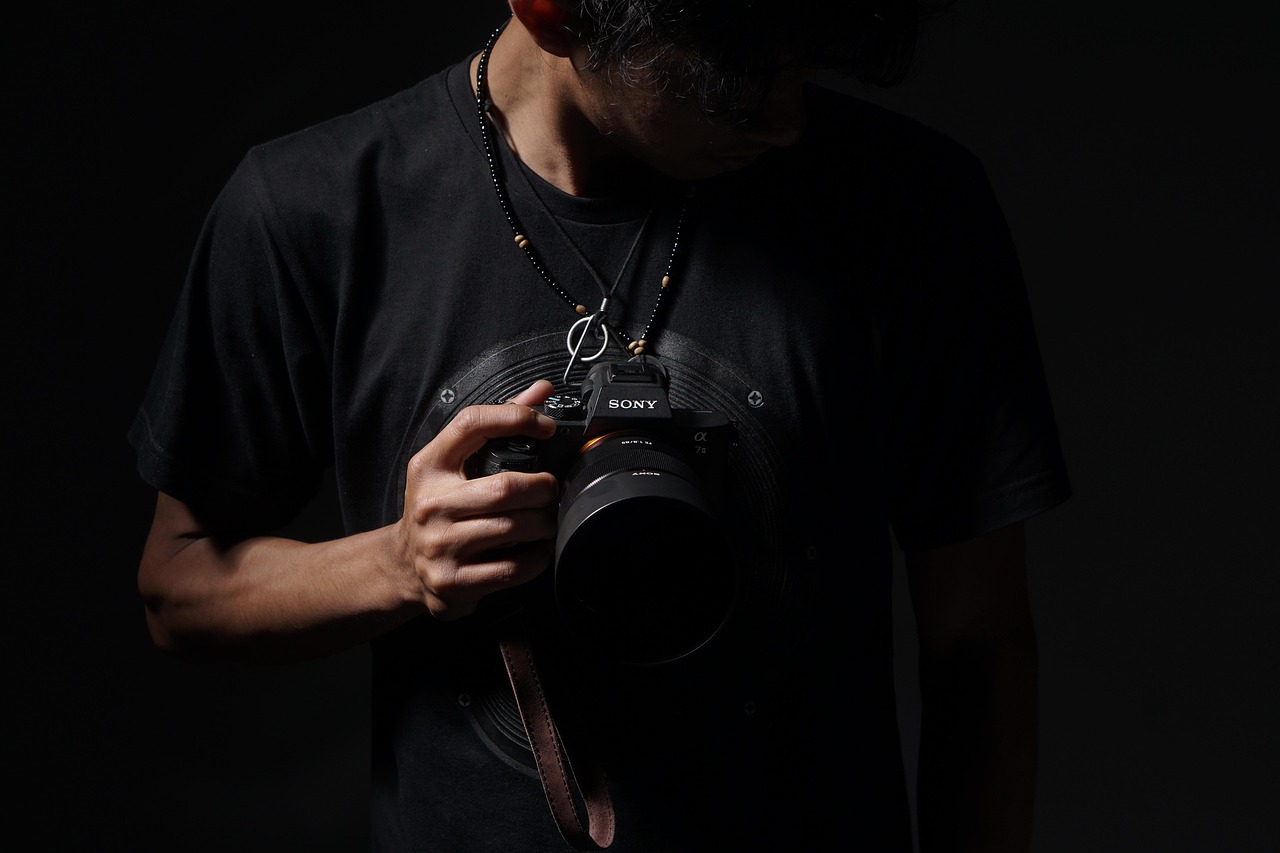
When embarking on your journey into freerunning photography, it’s crucial to invest in the right gear that will allow you to capture stunning shots of your subjects in action. Start with a good camera body; DSLR or mirrorless models are popular choices among photographers due their versatility and picture quality. Having a reliable lens, particularly a fast one with a wide aperture, is essential for low-light conditions and depth of field. Consider a zoom lens that allows flexibility when framing shots, especially during dynamic movements. Don’t forget extra batteries and memory cards since high-speed shooting can drain them quickly, particularly during outdoor sessions. A tripod or a monopod can help stabilize your shots, enhancing the overall quality. Lastly, bring along a camera bag that offers protection and is comfortable to carry for long periods. It protects against the elements when shooting outdoors and carries all your essential gear. With a proper setup, your freights and parkour photography can take off, letting you capture breathtaking moments effortlessly. As you venture out, always remember to prepare for various conditions, adapting your gear and methods as necessary for optimal photography.
Besides the core camera equipment, there are numerous accessories that can greatly enhance your shooting experience. A polarizing filter is particularly useful when shooting outdoors as it reduces glare and enhances colors, allowing you to capture vibrant shots that truly reflect the scene. Additionally, consider using a flexible tripod, so you can stabilize your camera at various angles, accommodating the unpredictability of freerunners’ movements. Having an assortment of lens cleaning supplies is essential, especially in outdoor environments where dust and moisture can accumulate on your camera’s glass. Another valuable accessory is an external flash or lighting kit; this can help illuminate your subjects during dynamic moves and improve the quality of your images. Using remote triggers also allows you to capture photos without being directly behind the camera, which can be particularly advantageous in action photography. Carrying spare lenses can also allow for quick lens changes, such as switching from a wide angle to a telephoto lens. Each of these accessories can help create an environment that facilitates creativity and experimentation in your outdoor freerunning photography.
Choosing the Right Location
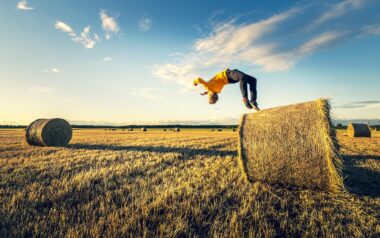
When it comes to photographing outdoor freerunning sessions, the location plays a pivotal role. An ideal setting should not only provide diverse backgrounds but also be safe for your subjects to perform their tricks. Look for urban landscapes featuring contrasting elements, like concrete structures and natural components, which make your images visually engaging. Parks and outdoor sports complexes often have various architectural features that can enhance the dynamic movements of freerunners. Be cautious about where you choose to shoot; ensure that the area is clear of hazards that could pose risks to both the freerunners and you as a photographer. Pay attention to the lighting throughout the day; early morning or late afternoon light provides a beautiful golden glow that can produce stunning images. Scout locations beforehand to understand how the environment influences your shots practically. Additionally, think of the perspectives you want to capture, such as wide shots that establish the scene or close-ups that focus on the athlete’s technique. By selecting the right locations, you ensure that your freerunning photography captures not just movement but also the essence of the surroundings.
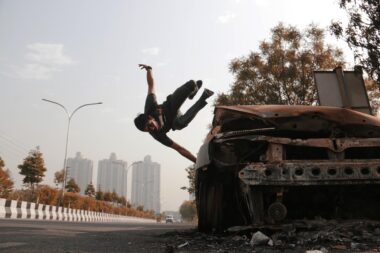
Understanding the movements and techniques of freerunners is vital to capturing their essence authentically. Familiarize yourself with common tricks such as flips, vaults, and precision jumps. Knowing their sequence will allow you to anticipate when to shoot, enabling you to capture the peak of the action. Watching footage or even attending freerunning sessions can help you grasp how these athletes move, enhancing your timing and composition skills. Make it a point to communicate with the freerunners before you shoot. Discuss their preferred tricks, any specific dynamics they want to showcase, and even their desired angles for capturing the action. Building a rapport with your subjects can lead to more genuine expressions and movements during the shoot. This collaboration can also help alleviate any anxiety they might have about performing under scrutiny. Often, the best shots come from spontaneous interactions or expressions, which can only be achieved by understanding your subject’s abilities and comfort levels. Ultimately, immersing yourself in the freerunning culture can significantly enhance your photography, allowing you to create more impactful and engaging images.
Camera Settings for Action Shots
The correct camera settings can make a significant difference when photographing the fast-paced world of parkour and freerunning. To freeze motion effectively, utilize a high shutter speed, typically 1/500th of a second or faster, depending on the action’s intensity. This prevents motion blur and captures clarity in each trick and jump. Pair your shutter speed with an appropriate aperture, aiming for f/2.8 to f/4 for better depth of field while keeping the background slightly blurred and glamorous. Adjusting your ISO is equally important; aim for the lowest possible setting while still meeting your exposure needs. This minimizes noise and enhances your image’s quality. Continuous shooting mode is a must; it allows you to take a fast series of photos, increasing the likelihood of catching the perfect moment. Consider using burst mode if your camera offers it, as it improves the performance in high-action scenarios. Utilize autofocus modes, such as AI Servo for Canon or Continuous for Nikon, to keep your subject sharp even in dynamic movements. Mastering these settings sets the foundation for stunning freerunning photography.
Editing is an essential part of the photography process and can transform your raw images into stunning visuals. Start with reliable editing software like Adobe Lightroom or Photoshop to fine-tune your shots. Basic adjustments should include exposure, contrast, saturation, and sharpness to enhance the overall aesthetics of your images. It’s also crucial to crop images strategically to eliminate distractions, drawing attention to the action or athlete. Consider color grading to evoke specific moods; warmer tones often radiate energy while cooler tones can create a calm atmosphere. When shooting in RAW format, you have more flexibility during editing, allowing for significant corrections without losing image quality. Remember to maintain a consistent style throughout your portfolio, as this helps in creating a recognizable personal brand as a photographer. Experiment with filters and presets that resonate with your niche, ensuring they don’t overshadow the genuine feel of action shots. Ultimately, post-processing gives your work a professional polish, guiding the viewer’s eye and enhancing the emotion pack in each photograph.
Final Thoughts and Continuous Learning
Engaging with the freerunning community and continually honing your skills is key to evolving as a photographer in this niche. Attend workshops or events to learn from seasoned professionals, gaining insights and tips that can enhance your approach to action photography. Networking with others in the field can foster collaboration, generate new ideas, and lead to lucrative opportunities for skilled photographers. Online platforms can offer forums and classes focusing exclusively on freerunning photography, allowing you to obtain further skills at your own pace. Experiment regularly with your techniques; don’t hesitate to try new angles, settings, or styles. Review your images, and be critical of what works and what doesn’t; this self-reflection leads to improvement. Stay informed about advancements in photography technology and techniques, as the field is constantly evolving. As you capture more images, cultivate your unique style reflecting your perspective of freerunning. Over time, with consistent practice and dedication, your portfolio will bloom, showcasing not only your progress but also the exhilarating moments of freedom found in this discipline.