
Common Mistakes in Speed Skating Technique and How to Correct Them
Speed skating is a thrilling sport requiring not only speed but also precise technique. Athletes often make common mistakes that can significantly hinder their performance. One prevalent mistake is improper posture. Skaters might lean too far forward or backward, disrupting balance and efficiency. Maintaining an upright, athletic position is crucial. Another frequent error is poor blade angle. Skaters often fail to properly articulate their ankles and knees, resulting in reduced power transfer. To correct this, practice drills focusing on keeping the knees flexed, allowing for stronger strokes. Additionally, insufficient arm movement can throw off a skater’s rhythm. Arms should move naturally, counterbalancing the legs for optimal propulsion. The key is to synchronize arm movements with leg pushes. Lastly, many skaters struggle with their breathing technique. Holding breath can cause fatigue, while shallow breathing reduces stamina. Practicing deep, consistent inhalation can enhance endurance. Coaches should emphasize these areas during training sessions, providing feedback. By addressing these common mistakes, skaters can improve their overall technique and performance, leading to quicker times and a more enjoyable experience on the ice.
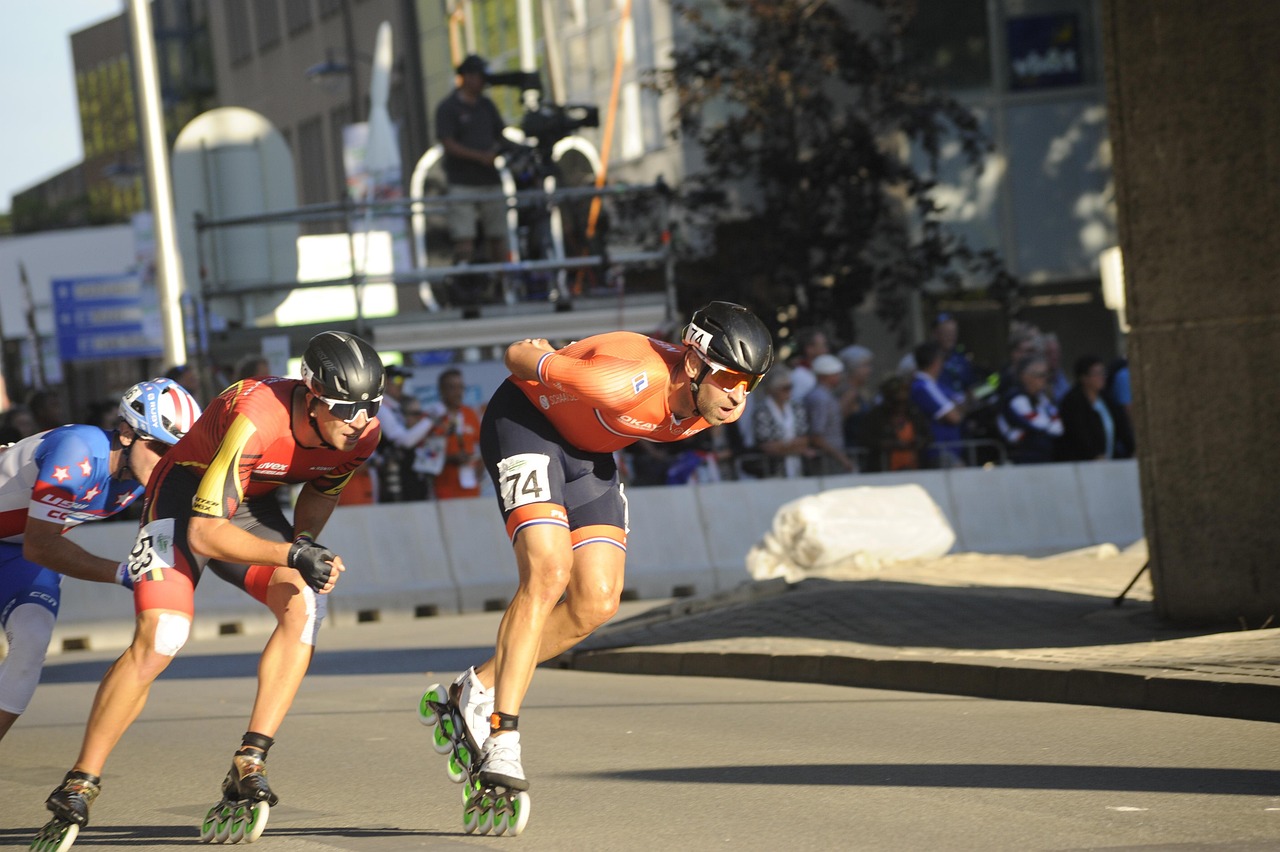
A crucial mistake in speed skating is not pushing off effectively from the starting position. This can dramatically impact acceleration and speed. Beginners often rely on their upper body strength instead of focusing on their leg drive. To remedy this, skaters must practice starts in isolation. Use drills that emphasize transitioning weight onto the front foot and pushing off strongly while keeping the other leg ready for quick follow-up pushes. Additionally, many skaters forget to properly utilize their toe picks, leading to reduced speed. Using the blades effectively can enhance gliding and minimize drag. Skaters should work on transitioning from push to glide seamlessly to maximize efficiency. Furthermore, poor cornering technique can throw off balance and speed. Skaters need to learn how to engage their edges fully while maintaining a low center of gravity. Practicing corner drills with a focus on body lean and edge control will help alleviate this issue. The ultimate goal is to maintain speed throughout the race. Coaches should observe skaters with a keen eye for these details, offering constructive feedback that enhances their technique in real-time, ultimately boosting their confidence and ability on the ice.
Importance of Foot Placement
Another significant area where speed skaters often go wrong is foot placement during strides. Many skaters tend to place their feet too close together, resulting in instability and inefficient movements. Proper foot placement involves maintaining a shoulder-width stance to enhance balance and allow for more powerful movements. To address this, drills focusing on lateral movement can help skaters feel the correct positioning. Skaters should train their muscles to support this stance instinctively. In addition, many skaters fail to push off adequately from the ice with their back foot. This mistake leads to wasted energy and slower overall speeds. Emphasizing the importance of pushing off from the inside edge of the blade while maintaining a proper angle will help improve stride length and efficiency. Also, skaters should practice visualizing their strides as cycling, where proper foot placement naturally enhances their speed. By integrating these strategies into training routines, coaches can help skaters grasp the nuances of foot placement. This improved awareness will contribute significantly to their competitiveness in speed skating events, leading to better race outcomes and personal bests.
Equally critical is the common mistake of neglecting strength training specific to speed skating. Many athletes underestimate the importance of a comprehensive training regimen that includes strength-building exercises. Skaters should focus on leg strength, core stability, and upper body development for optimal performance. Incorporating weightlifting, resistance training, and plyometric exercises can yield remarkable enhancements in on-ice performance. Neglecting these aspects will lead to quick fatigue and reduced power output. Sprints and interval training have their place, but skaters need a solid strength foundation to support their speed skating techniques. Additionally, flexibility plays a crucial role in effective technique. Many athletes experience tightness in key muscle groups, leading to unnatural movements and higher injury risks. Stretching and mobility work should be consistently integrated into training routines to improve flexibility. Regular attendance in sessions focused on flexibility will refine a skater’s technique, enhancing stride length and turning efficiency. Coaches can introduce proper stretching routines while monitoring progress in flexibility. By emphasizing strength and flexibility, skaters will greatly enhance their on-ice performance and reduce their injury risks, ensuring longevity in the sport.
Monitoring Technique Through Video Analysis
The usage of video analysis is another vital component in correcting technique mistakes. Coaches who utilize video recording can offer valuable feedback that is difficult to gauge in real-time. Athletes often struggle to identify their own mistakes due to a lack of self-awareness. By recording practice sessions and races, coaches can provide a visual reference to illustrate areas for improvement. This approach allows skaters to see their stride mechanics, posture, and overall body alignment. Reviewing footage together fosters an environment of learning and growth. Furthermore, skaters can set measurable goals based on their performance analysis. Critical insights gleaned from video feedback can lead to essential adjustments in both technique and mindset. The repetitive nature of speed skating lends itself well to gradual refinement through this process. Weekly video reviews can foster continual improvement, helping athletes stay engaged and motivated. Additionally, sharing video analysis within a peer group can encourage healthy discussions around performance, adding another layer of accountability. Coaches should prioritize regular video sessions as a key element of training, ensuring that every athlete understands their unique strengths and areas needing attention.
A common oversight is the lack of attention to recovery and nutrition, which are vital for peak performance in speed skating. Many skaters are focused solely on training and technique, neglecting their physical recovery. Overtraining can lead to fatigue, injury, and decreased performance levels. Athletes should prioritize recovery days and incorporate active recovery into their routines. Stretching, foam rolling, and rest days are crucial for muscle repair and growth. Additionally, proper nutrition is essential in providing the energy required for intense training sessions and competitions. Skaters should focus on balanced diets rich in carbohydrates, proteins, and healthy fats to fuel their bodies effectively. Hydration is equally important; depleted fluids can hinder performance and lead to fatigue. Skaters must always stay hydrated and consider electrolyte imbalances during intensive training. Effective meal planning should be a priority, ensuring that athletes consume nutrient-dense foods. Coaches should support their athletes in understanding the importance of these aspects and developing personalized nutrition plans. Attention to recovery and nutrition will enable speed skaters to reach their full potential, ensuring they perform at their best during competitions.
Final Thoughts and Continuous Improvement
In summary, the journey toward mastering speed skating is filled with opportunities for growth and improvement. Recognizing common mistakes is the first step toward enhancement. Key factors include posture, foot placement, arm movement, and neglecting strength training. Additionally, utilizing video analysis provides tangible resources for correction and improvement. Athletes must also prioritize recovery and nutrition for overall success. Continuous learning and performance monitoring are integral components of a successful speed skating career. Engaging in healthy peer discussions and coaching feedback allows for valuable insights and experience sharing. Setting tangible goals, both short and long-term, will fuel motivation and development. Coaches play a crucial role in providing guidance, ensuring their athletes foster the right mindset. By integrating these aspects into their training, speed skaters will be well equipped to enhance their skills. Races become a platform for showcasing their development, and personal records will soon follow. An awareness of common pitfalls and a commitment to improvement can make an impactful difference. With persistence, dedication, and the right support, athletes can thrive in the fast-paced world of speed skating.
The final step in this process is fostering a supportive team environment. Athletes often thrive when surrounded by encouraging teammates. Building camaraderie among skaters can elevate everyone’s performance levels. Coaches should facilitate team-building activities that strengthen bonds and motivate athletes to achieve their best. Celebrating achievements and milestones collectively boosts morale. It instills a sense of responsibility, encouraging everyone to strive for excellence. A positive atmosphere fosters open communication, allowing skaters to share their struggles and insights. Additionally, mentor relationships can form within teams. Higher-level skaters can guide newcomers, creating an encouraging learning atmosphere. This collaborative approach will further enhance the overall experience of speed skating. Educating athletes about the significance of perseverance and teamwork will create a long-lasting impact. Coaches will be more successful in their training objectives when skaters feel supported and valued. Ultimately, this positive dynamic has the potential to elevate performance outcomes in competitions. As athletes work together, they share their experiences and strengthen their skills. Additionally, building friendships that extend beyond the ice can contribute to long-term commitment, engendering a love for the sport and its community.