
ACL Tears: Diagnosis, Treatment, and Rehabilitation
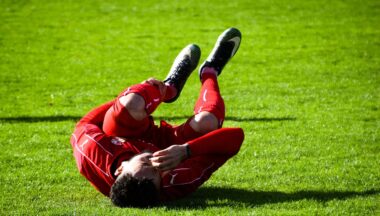
Anterior cruciate ligament (ACL) tears are prevalent among athletes participating in various sports, especially those involving rapid pivots, jumps, or sudden stops. Typically, these injuries are the result of trauma during athletic activities. Recognizing ACL tears early is crucial for effective management, as failure to do so may lead to further complications such as joint instability and chronic pain. Diagnosis often starts with a thorough medical history and a physical examination, focusing on the mechanism of injury. Medical professionals may utilize specific tests, like the Lachman test or the pivot shift test, to evaluate the integrity of the ACL. In some cases, imaging tests like MRI scans are essential for confirming the diagnosis. An accurate diagnosis allows for tailored treatment plans that consider the athlete’s age, activity level, and overall health. Thus, understanding the specific nature of an ACL tear is paramount for minimizing the risk of re-injury and ensuring a quick return to the field or court with optimal knee functionality.
Understanding ACL Tears
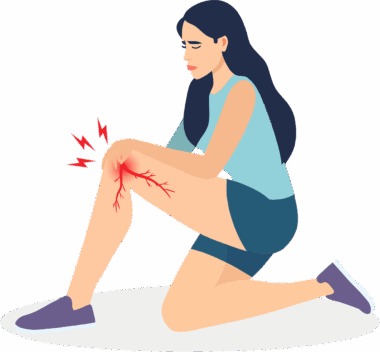
ACL tears can be classified into three grades, indicating the severity of the injury. A grade I tear involves a slight stretching of the ligament; grade II involves a partial tear; and grade III signifies a complete tear. Symptoms can vary depending on the severity, but common indicators include significant swelling, intense pain, and a feeling of instability in the knee. Some individuals may also report a “popping” sound at the moment of injury, followed by swelling within a few hours. Treating an ACL tear depends on several factors, like the patient’s activity level, age, and injury severity. Conservative treatment options such as rest, ice, compression, and elevation (RICE) may suffice for low-demand athletes. Alternatively, active athletes might require surgical intervention, particularly in grade II and grade III tears. Surgery often involves reconstructing the torn ligament using a graft, either from the patient’s hamstring or from a deceased donor. This procedure aims to restore stability in the knee, allowing athletes to return to their activities efficiently.
Treatment Options for ACL Tears
The decision between surgical and non-surgical treatment for an ACL tear revolves around the patient’s goals and lifestyle. In cases involving complete tears and active individuals, surgical reconstruction remains the gold standard. However, there are viable non-surgical treatment alternatives for those with partial tears who may not engage in high-impact activities. These options can include physical therapy aimed at strengthening the muscles around the knee, improving balance and flexibility, and restoring function. Physical therapy plays a fundamental role post-surgery as well; it usually begins 1-2 weeks after surgery to help regain range of motion. Rehabilitation can last up to six months, sometimes longer, and involves a gradual return to sports-specific exercises. Athletes undergoing rehabilitation must follow their physiotherapist’s guidance carefully, as premature return to sport increases the risk of re-injury. Additionally, incorporating sport-specific training and muscle strengthening significantly aids recovery rates and ensures long-term knee health. As a result, personalized rehabilitation plans should be developed according to the individual’s specific condition and sports demands.
Preventative strategies for ACL injuries are critical in sports medicine, especially for teams with high rates of injuries. Increasing awareness of risk factors and offering education on safe practice techniques can significantly reduce injury rates. These interventions can include balance training, plyometric exercises, and strength programs designed to enhance neuromuscular control over the knee. Among female athletes, injury rates are notably higher, highlighting a need for gender-specific strategies that address biomechanical differences and physiologic considerations. Devising warm-up routines that emphasize agility and coordination can also help diminish risks during play. Incorporating flexibility training, such as stretching, may also improve knee stability during athletic performances. Other preventive measures like wearing appropriate footwear and using braces in high-risk sports can also contribute significantly to reducing injuries. Furthermore, recognizing the body’s signals to avoid overexertion may prevent potential ACL injuries. In youth sports, coaching practices, and promoting proper technique during play are paramount. These collective approaches unveil the importance of comprehensive preventive measures in reducing ACL injuries across various athletic disciplines.
In conclusion, ACL tears pose significant challenges to athletes due to their potential to disrupt performance and affect long-term knee health. Timely and accurate diagnosis is essential for effective treatment strategies, whether they involve rehabilitation or surgical interventions. Ensuring a tailored rehabilitation program that prioritizes individual patient needs subsequently improves recovery outcomes. Players and coaches alike must acknowledge the importance of injury prevention strategies while being educated on the mechanics of these injuries. ACL prevention programs can be instrumental in reducing the incidence of tears, especially among high-risk groups. Researchers are continually exploring innovative approaches to enhance recovery times and lower re-injury rates. As advancements in sports medicine emerge, they provide new hope for athletes looking to return smoothly to their activities. Furthermore, by engaging with physical therapists and utilizing state-of-the-art rehabilitation methods, patients can regain their strength and stability at impressive rates. Continuous community education regarding ACL injuries alongside regular assessments will cultivate a safer sporting environment for all. With proactive interventions, athletes can maintain their engagement while safeguarding their knees effectively for optimal athletic performances.
Looking Ahead
As sports medicine evolves, ongoing research into ACL injuries and treatment remains crucial. New advancements in surgical techniques and rehabilitation protocols could significantly benefit young athletes who sustain these injuries. The integration of technology in rehabilitation programs, such as virtual reality and biofeedback mechanisms, is becoming more common to better track recovery progress and enhance treatment efficacy. Moreover, examining the role of genetics in an athlete’s propensity for ACL injuries offers exciting possibilities for personalized treatment approaches. Athlete-centered care that includes psychological support could further enrich recovery experiences, acknowledging emotional aspects accompanying injury and rehabilitation. Community sports organizations play a vital role in delivering injury awareness and education to both athletes and coaches. With sustained efforts towards education, prevention, and research, the prospects for minimizing ACL injuries may brighten considerably. Therefore, adopting a multi-disciplinary approach that encompasses orthopedic surgeons, physical therapists, coaches, and athletes themselves is essential. Learning from those who have experienced these injuries firsthand can provide invaluable insights into improving prevention strategies and treatment options, ensuring a brighter future for athletic endeavors.
Ultimately, seeking timely intervention and adhering to comprehensive rehabilitation programs significantly enhances recovery outcomes and the safety of athletes. Every step taken towards accountability and systematic education can empower athletes and staff alike in their respective roles. Furthermore, sports communities can foster resilience by sharing experiences and support, creating a culture that values athletic health. Joining forces with sports organizations, medical personnel, and trainers to promote proper techniques through workshops and regular assessments can serve as a foundation for longevity in athletic careers. Building awareness regarding conditioning programs focusing on proprioceptive training could aid in reducing the risk of future injuries. Deliberate practices have demonstrated a noticeable impact on performance and injury reduction. Through ongoing commitment to research and shared learning, there can be a substantial difference made to overall athlete safety standards. Additionally, addressing psychosocial factors in rehabilitation can alleviate stress and improve recovery rates. Both athletes and medical staff play critical roles in achieving safe sports environments. With collaborative efforts, the sports community is better positioned to mitigate ACL injuries effectively, equipping athletes with the tools to thrive in remarkably safe and competitive settings.