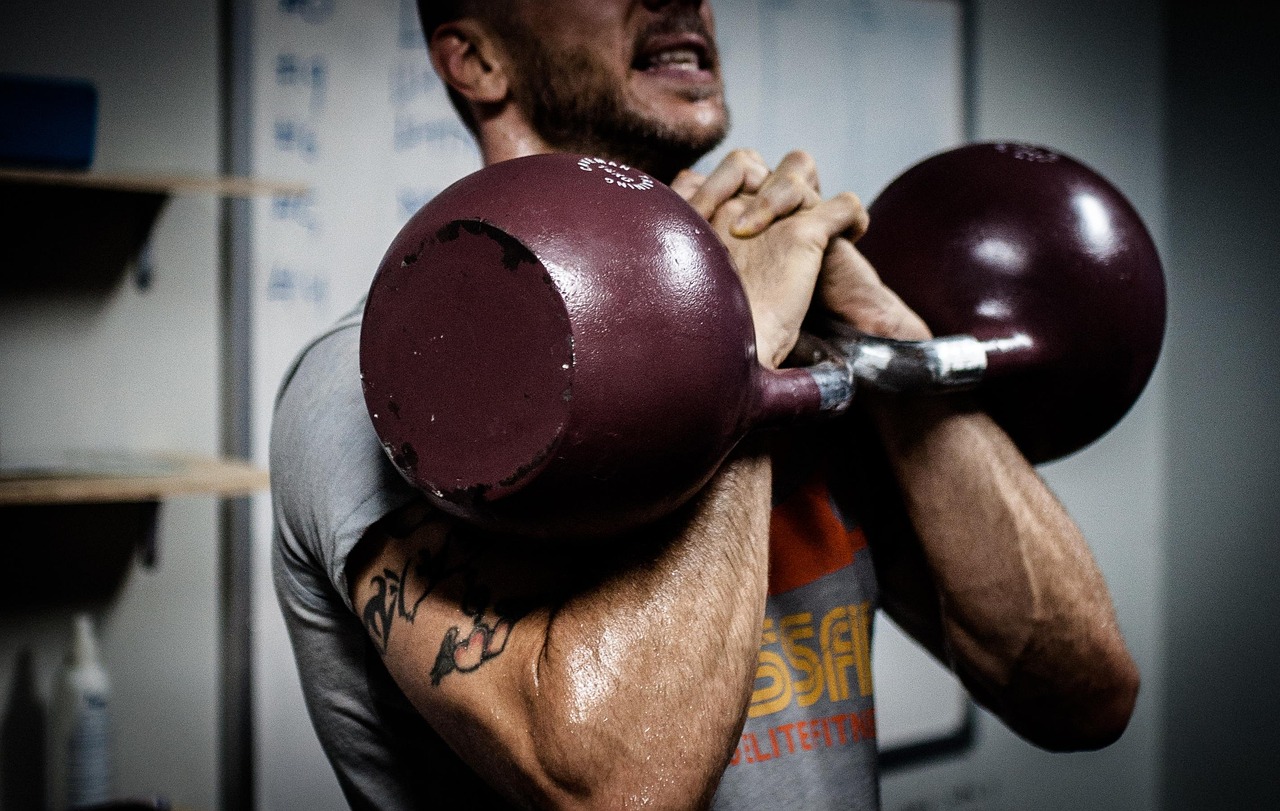

Strength Meets Flexibility: Using Kettlebells to Balance Both
Kettlebell training is rapidly gaining recognition for its unique ability to enhance not only strength but also flexibility. Many fitness enthusiasts often overlook flexibility, but it plays a crucial role in a well-rounded fitness regimen. Integrating kettlebells into your workout routine can significantly improve your overall elasticity, mobility, and range of motion. In contrast to traditional weightlifting, kettlebells allow for dynamic movements that emphasize functional flexibility and strength. Kettlebells can be particularly beneficial for athletes, as they help to improve performance in both static and dynamic sports. The nature of kettlebell movements encourages the development of balance and coordination, which are essential components of flexibility training. By engaging multiple muscle groups simultaneously, kettlebells promote increased muscle activation and improved joint stability. Additionally, flexibility is not merely about achieving the splits or touching your toes; it’s vital for injury prevention. By ensuring your muscles are elongated and your joints can move freely, you are less likely to sustain injuries during intense workouts or daily activities. Thus, kettlebell exercises make for an excellent choice in enhancing both strength and flexibility.
One of the primary advantages of kettlebell training is the variety of exercises that can be performed. Some popular movements include the swing, snatch, and Turkish get-up, each offering distinct benefits. The kettlebell swing, for instance, not only boosts cardiovascular fitness but also targets the posterior chain muscles, enhancing flexibility in the hips and lower back. Turkish get-ups provide a comprehensive full-body workout, improving shoulder mobility and core stability. To commence, it’s essential for practitioners to learn proper kettlebell techniques, as improper form could lead to unnecessary strain or injury. Starting with lighter weights will allow individuals to refine their movement patterns before progressing to heavier kettlebells. Combining flexibility routines with kettlebell workouts leads to enhanced performance—ensuring muscles are strong and supple. As muscles become accustomed to kettlebell movements, practitioners often find that they can achieve deeper stretches and improved control in dynamic movements. Moreover, kettlebell training not only aids in flexibility but contributes to body awareness. This awareness significantly improves alignment during other exercises, reinforcing safe movement practices throughout various physical activities.
Synergizing Strength and Flexibility
To synergize strength and flexibility through kettlebell training, it is crucial to incorporate specific exercises targeting both areas harmoniously. A balanced workout routine might include both strength-focused and flexibility-focused kettlebell exercises. For example, consider pairing a strength-oriented move such as the deadlift with mobility work, such as a kettlebell windmill. The deadlift builds significant strength in the posterior chain, while the windmill promotes lateral flexibility in the obliques and shoulders. Transitioning between these movements allows for a resilient body that can handle heavy loads while remaining flexible. An effective kettlebell routine might also include dynamic stretches, such as kettlebell arm circles or leg swings, performed between traditional lifts. These dynamic stretches help enhance functional flexibility and prepare the muscles for the demands of more intense lifts. The overall goal should be to create a seamless integration between strength training and flexibility work, ensuring that as one improves, the other does too. Regularly practicing this integrated approach can lead to noticeable enhancements in overall athletic performance, making kettlebell training an optimal choice for fitness enthusiasts of all levels.
Another effective strategy for improving flexibility with kettlebells involves careful attention to mobility training. Mobility exercises target joint range of motion and muscle elasticity, making them ideal complements to traditional kettlebell workouts. Engage in a specific mobility routine either before or after your kettlebell training sessions. This routine may include hip openers, thoracic spine rotations, and ankle mobility drills. Incorporating these exercises can significantly enhance performance during kettlebell activity while reducing the risk of injury. For many athletes, enhancing mobility adds an extra dimension to their kettlebell training practice; they discover newfound freedom in their movement patterns. It’s worth emphasizing that flexibility is a journey; consistency is key in achieving long-term results. Those practicing kettlebell training regularly will ultimately benefit from a greater range of motion, improved strength endurance, and better overall functional fitness. The combination of strength and flexibility cultivates a balanced, adaptable body. It’s essential for practitioners to acknowledge and listen to their bodies, as understanding one’s limitations is crucial in avoiding injury while striving for improvement in strength and flexibility. This mindful approach solidifies kettlebell training as a beneficial tool for cultivating fitness.
The Role of Recovery in Kettlebell Training
In tandem with strength and flexibility training, incorporating rest and recovery practices is vital for maximizing the benefits of kettlebell workouts. Recovery allows muscles to repair and grow while minimizing the risk of overtraining or injury. As kettlebell training is often intense, implementing recovery days into routines can help practitioners maintain optimal performance levels. Stretching, foam rolling, and yoga sessions can be particularly beneficial post-kettlebell workouts. These activities aid in alleviating muscle soreness while further enhancing flexibility. Additionally, proper hydration and nutrition play crucial roles in recovery; nourishing the body with nutritious foods assists in muscle repair. Another critical factor to consider is sleep; getting sufficient quality rest allows the body to recuperate, recharge, and optimize performance. Balancing rest, recovery, strength, and flexibility work can ultimately lead to progressive improvement in overall fitness levels. It is essential to develop effective recovery strategies that align with personal needs and preferences. Experimenting with various methods will help determine what works best for each individual. A well-rounded approach incorporating rest with kettlebell training ensures adequate recovery, fostering a stronger, more flexible body.
As you embark on your kettlebell training journey, tracking progress is an excellent way to remain motivated and adhere to a structured plan. Keeping a training log can help monitor improvements in both strength and flexibility, fostering a sense of accomplishment over time. By recording each kettlebell workout, practitioners can identify which exercises yield the best results and adjust their routines accordingly. Additionally, acknowledging progress in flexibility can help set measurable goals, providing incentives to stick to your training. Over time, you might discover significant increases in range of motion or the ability to perform movements previously deemed challenging. Celebrating these achievements encourages a growth mindset, allowing individuals to explore further possibilities within kettlebell training. Not only does tracking progress enhance motivation, but it fosters a sense of accountability. Engaging with communities or finding a training partner can further support your kettlebell pursuits. Opportunities for collaboration often empower individuals and give rise to a positive training environment. Ultimately, the key to mastering kettlebell training lies in consistency, adaptability, and the willingness to learn and grow in strength and flexibility throughout the journey.
Conclusion: The Power of Kettlebells
In conclusion, kettlebell training offers a comprehensive approach to enhancing both strength and flexibility, making it a popular choice among fitness enthusiasts. It uniquely promotes a blend of physical qualities that can greatly benefit athletic performance and everyday movement. The adaptable nature of kettlebell exercises allows individuals to create versatile workouts tailored to their needs. Furthermore, emphasizing mobility, recovery, and progress tracking can provide a holistic fitness experience that keeps practitioners engaged and fulfilled. Rather than viewing strength and flexibility as separate entities, kettlebell training unites these attributes, instilling balance in your fitness regimen. For those seeking improved athleticism or simply wanting to enhance overall wellness, integrating kettlebells into your fitness routine will yield excellent results. Take the first step towards mastering these powerful tools, and unlock your potential in strength and flexibility. Embrace the rewarding journey of kettlebell training, cultivating a resilient and adaptable body capable of efficiently handling various physical demands. The rewards of combining strength and flexibility will not only enhance workout performance but improve quality of life overall. With dedication and the right approach, kettlebell training can truly transform your fitness journey.