
Progressive Muscle Relaxation and Meditation for Better Coordination
Improving coordination is a crucial aspect of physical performance and overall well-being. One effective method for enhancing coordination is through Progressive Muscle Relaxation (PMR) combined with meditation techniques. PMR involves systematically tensing and then relaxing different muscle groups in the body. This practice not only reduces tension but also increases body awareness. Meditation, on the other hand, focuses on enhancing concentration and mindfulness, which are essential for improving coordination. By integrating PMR into meditation routines, individuals can create a holistic approach to better coordination. This combined practice can help in fostering a deep sense of relaxation and heightened awareness of body movements. Such mindfulness aids athletes and anyone in physical activities to be more attuned to their body dynamics. Over time, this method can lead to better balance as participants become more sensitive to the positions and movements of their bodies, ultimately improving performance in various tasks. Incorporating these techniques requires dedication and consistency for effective results, which can result in a significant improvement in coordination skills.
The Benefits of Progressive Muscle Relaxation
Progressive Muscle Relaxation has numerous benefits contributing to improved motor skills and coordination. One of the main advantages is that PMR helps in reducing muscle tension throughout the body. Tension can lead to tightening of muscles that may hinder flexibility, making coordination difficult. With regular practice, PMR encourages the release of tightness and improves relaxation. Another benefit is increased awareness of the body’s physical state. This heightened awareness results in better control over one’s movements, essential for achieving fluid and coordinated actions. Moreover, engaging in PMR can positively impact mental clarity, reducing anxiety and stress that often affect performance. Stress is known to cause distraction, which can disrupt coordination during exercises or sports. By implementing PMR alongside meditation, individuals can cultivate a calm mind free of negative thoughts. This mental state enhances focus on the physical tasks at hand. Additionally, this relaxation technique can aid in recovery from any physical exertions or injuries by promoting blood flow and reducing soreness. Cultivating these outcomes through PMR can create better prerequisites for achieving coordination in both daily activities and specialized physical tasks.
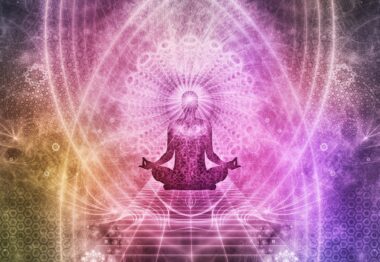
Meditation plays a significant role in fostering enhanced coordination skills. By incorporating mindfulness meditation, individuals become more attuned to their body’s movements and the surrounding environment. This heightened awareness allows a person to focus exclusively on how their body moves, thus improving motor responses. A particular type of meditation known as body scan can hugely benefit coordination practices. This involves mentally scanning each body part, rooting awareness deeply into them. As participants engage in this method, they develop a profound connection between their mind and body. This connection is essential for performing complex movements. Furthermore, the calming effects of meditation reduce mental clutter, making it easier to execute tasks that require precision. With less distraction, one can concentrate on the mechanics of movement. Over time, consistent meditation practice not only calms the mind but refines muscular movements and improves motor skills. Therefore, integrating this mindfulness practice with PMR creates an ideal synergy for enhancing coordination. To optimize results, aim for regular sessions where both techniques are performed extensively for maximal benefits over time.
Combining PMR with Meditation
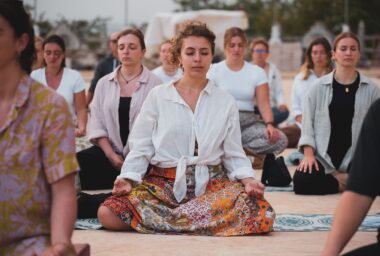
Combining Progressive Muscle Relaxation with meditation creates a robust method for enhancing coordination. Start by finding a comfortable space free of distractions where you can practice. Begin by selecting a specific goal, such as improving hand-eye coordination or balance. First, conduct a PMR session focusing on tensing and relaxing each muscle group systematically. This will not only release tension but will prepare your mind for meditation. After completing PMR, transition into a mindfulness meditation session. Focus on breath awareness, letting go of any lingering thoughts from the PMR practice. This combination strengthens the mind-body connection and enhances body awareness, vital for coordination. In addition to physical benefits, this practice promotes emotional stability which supports consistent training. You may wish to set aside 15-30 minutes per session, ensuring you dedicate adequate time to both practices. Over weeks, you will begin to notice improvements in your overall coordination, fluency in movement, and even reduced levels of stress. Engaging in this blended practice leads to profound benefits that positively affect various aspects of physical performance.
Setting a routine for practicing Progressive Muscle Relaxation and meditation is vital to achieving consistent results. To start, designate specific days and times each week to incorporate these practices into your schedule. Consistency cultivates a habit that enhances muscle memory and coordination over time. Aim for sessions that last at least 20 minutes, efficiently dividing your time between PMR and meditation. Consider creating a calming environment with minimal distractions, possibly using soft lighting or music. Many also incorporate gentle stretches post-practice as a means to further relax and prepare the body for movement. Another helpful strategy is to record your progress. Keep a journal documenting the effects of these practices on your coordination and overall well-being. Regular documentation helps measure improvements, identifying what works best over time. Share these experiences with others to create a supportive community for motivation and encouragement. Together, you can hold each other accountable and stay committed to developing your coordination skills through these multifaceted techniques. The journey towards enhanced coordination doesn’t have to be a solitary one; find others who share the same goals to enhance motivation.
Practical Exercises for Better Coordination
Integrating practical exercises alongside PMR and meditation can significantly boost your coordination. Start with balance exercises, such as standing on one foot or the heel-to-toe walking exercise that enhances stability. These movements force the body to engage core muscles, ultimately enhancing balance. Incorporate agility drills like ladder runs or cone weaving; these activities improve footwork and overall coordination. Yoga also serves as an excellent component; specific poses challenge balance, flexibility, and body control. Another beneficial exercise includes rhythmic movements, which can be simple dance steps or even basic tai chi. Both promote awareness of body mechanics while also facilitating fluidity in movement. For those involved in sports, practicing sport-specific drills can prove incredibly useful in developing coordination. Always ensure that you appropriately warm up before engaging in these activities to prevent injuries. Combining these practical exercises with your PMR and meditation routine creates a comprehensive training program aimed at enhancing coordination skills holistically. This is critical for making noticeable progress and achieving higher performance levels in desired physical activities.
To conclude, combining Progressive Muscle Relaxation with meditation creates a powerful approach to enhancing coordination in everyday life and athletics. The integration of these techniques allows individuals to develop a deeper awareness of their body mechanics, leading to safer and more efficient movement patterns. With consistent practice, you will likely experience improvements in your coordination skills over time, fostering greater confidence during physical activities. Ultimately, this will contribute to a heightened sense of well-being and satisfaction in both your physical and mental state. While the journey to better coordination requires patience and commitment, the combination of PMR and mindfulness routines offers a solid foundation for long-term success. As you work towards enhancing your skills, remember the importance of staying motivated and open to adjusting your routine as needed. Lastly, don’t hesitate to explore various meditation styles or adapt exercises that suit your preferences; personalizing your practice is crucial for staying engaged. Investing the time and effort into these methods will yield remarkable results not just in coordination but also in overall mental and emotional health.
Additionally, many individuals find success in sharing their experiences with friends or fellow enthusiasts. Establishing a support network can enrich your journey and keep you accountable. You can create challenges together or share tips and progress. In conclusion, the synergistic effect of PMR and meditation can unlock new levels of personal performance, offering benefits that extend well beyond physical coordination. Embrace this journey, knowing that each step forward is a valuable part of your personal growth.