
Understanding Performance Anxiety in Athletes
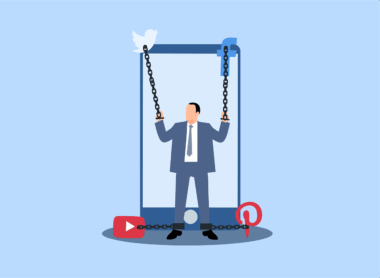
Performance anxiety in athletes has gained increased attention, especially with the rise of social media. Athletes are no longer solely evaluated by coaches and peers, but now face scrutiny from millions on various platforms. This scrutiny can lead to excessive pressure, influencing their mental health negatively. When athletes constantly compare themselves to others, it can create feelings of inadequacy. Over time, this can develop into performance anxiety, where an athlete fears not meeting expectations. Further, the pressure to maintain a polished online persona can exacerbate these feelings, leading to stress and burnout. Social media amplifies these anxieties as every mistake is documented and discussed publicly. This leads to heightened self-doubt and a constant state of worry regarding performance. Therefore, understanding the psychological impacts of social media is crucial for athletes. They must learn to navigate these pressures while maintaining their mental well-being. Athletes must identify their triggers, which may include specific social media interactions, to effectively cope with performance-related anxiety. Developing strategies to manage these pressures will enable athletes to focus on their training and performance in a healthy manner. By prioritizing mental health, they can sustain their success in sport.
Establishing Healthy Boundaries with Social Media
Establishing healthy boundaries with social media is essential for athletes dealing with performance anxiety. Athletes should consider limiting their social media interactions, focusing only on positive influences. For example, unfollowing accounts that make them feel stressed or inadequate can significantly help. Creating a designated time for social media use can also reduce impulsive browsing, allowing athletes to control their exposure to external pressures. By being mindful of their online activity, athletes can curate their feeds to promote positivity and motivation rather than self-doubt. Additionally, athletes should engage in regular digital detoxes, where they take extended breaks from social media. This practice helps them disconnect and refocus on their personal goals without external pressures impacting their mental state. Furthermore, promoting supportive content, like motivational quotes and success stories, can help lift their spirits. They can seek out communities that positively reinforce their achievements, ultimately leading to improved self-esteem. By proactively managing their social media habits, athletes can achieve a healthier relationship with the platform. This balance can fortify their mental health, allowing them to thrive in both their sports careers and personal lives. Positive social media use can redefine their online experience.
Mindfulness Techniques for Reducing Anxiety
Incorporating mindfulness techniques can be beneficial in helping athletes combat social media-induced performance anxiety. Mindfulness practices, such as meditation and focused breathing, allow individuals to cultivate present-moment awareness. These practices encourage athletes to acknowledge and accept their thoughts rather than judging them, mitigating feelings of anxiety and stress. Implementing a daily mindfulness routine can help athletes center themselves, particularly before competitions or challenging training sessions. Additionally, techniques such as visualization can enhance mental preparation, enabling athletes to imagine successful outcomes rather than dwelling on fears of failure. Another useful tool is journaling, where athletes can express their thoughts and feelings regarding both their sports performance and social media experiences. By putting their feelings into words, athletes may better understand their triggers and develop more effective coping strategies. Furthermore, participating in group mindfulness sessions can foster a shared experience among athletes, reinforcing the idea that they are not alone in their struggles. By promoting mental clarity and resilience, mindfulness can help athletes navigate the pressures of social media while staying focused on their performance goals. This holistic approach is integral for maintaining mental health in a demanding competitive environment.
Building a Strong Support System
A robust support system is critical for athletes grappling with performance anxiety due to social media. Friends, family, coaches, and mental health professionals can provide valuable encouragement and guidance. Emotional support is essential, as it helps athletes feel understood and validated in their experiences. Engaging in open conversations about their feelings towards social media’s impact fosters a sense of belonging. Moreover, coaches can play a significant role by promoting mental wellness and encouraging athletes to share their concerns. Group training sessions can enable athletes to bond over shared struggles, reinforcing camaraderie and mutual support. Providing avenues for open dialogue creates an environment where athletes can express their anxieties without fear of judgment. Additionally, mental health professionals can offer tailored advice, equipping athletes with coping strategies to deal with social media-induced stressors. Athletes should not hesitate to seek help when needed; professional guidance can significantly enhance their resilience. By fostering strong connections with their support systems, athletes can better manage performance anxiety and improve their mental health. Ultimately, having a solid support network can provide stability and strength as they navigate challenges in the competitive landscape.
Setting Realistic Goals to Alleviate Pressure
Setting realistic goals is crucial for athletes to alleviate the pressure intensified by social media. Unrealistic expectations can create unnecessary stress, especially when influenced by what they see online. Athletes should focus on setting attainable goals that align with their individual capabilities rather than comparing themselves to others. Breaking larger goals into smaller, manageable steps can provide a clearer roadmap to follow, reducing feelings of overwhelm. Additionally, embracing personal progress over achieving external standards cultivates a healthier mindset. Athletes should celebrate small victories, as these accomplishments build confidence over time. Engaging in goal-setting workshops and discussions can provide further insight into effective methodologies. Coaches can also assist athletes in identifying their strengths and weaknesses, guiding them towards realistic objectives that promote growth. Furthermore, athletes should periodically review their goals, allowing for adjustments in response to changing circumstances or performance levels. This flexibility ensures that they remain focused on their journey without succumbing to external pressures. By promoting a goal-oriented approach rooted in realism, athletes can mitigate anxiety and foster a healthier perspective on performance, ultimately enhancing their experience in sports.
The Role of Positive Self-Talk in Performance
Positive self-talk plays a significant role in helping athletes manage performance anxiety stemming from social media. The internal dialogue athletes maintain can enhance or hinder their overall mindset and performance. By fostering a constructive inner voice, athletes can cultivate resilience and confidence, especially when facing challenges. Techniques such as affirmations and motivational statements can empower athletes, reminding them of their capabilities and past successes. Developing a habit of replacing negative thoughts with positive ones can lead to improved mental well-being and performance outcomes. Additionally, visualizing success alongside positive self-talk reinforces the belief in achievable goals. Athletes should practice self-compassion, understanding that imperfection and setbacks are integral aspects of their journey. By treating themselves with kindness, they can minimize self-critical thoughts typically exacerbated by social media pressures. Incorporating positive self-talk into their daily routines can help athletes navigate through their uncertainties and reinforce confidence in their abilities. This practice paves the way for a healthier competitive mindset, enabling them to thrive despite external challenges. Cultivating a positive self-view ultimately transforms how athletes engage with their sport and online presence.
Conclusion: Nurturing Mental Health
In conclusion, nurturing mental health is vital for athletes, especially in the context of social media. By adopting effective coping strategies, such as establishing healthy boundaries, practicing mindfulness, and building solid support systems, athletes can mitigate performance anxiety. Setting realistic goals and promoting positive self-talk further empowers them to focus on personal growth rather than external judgments. Recognizing that social media can significantly influence their mental state is crucial; they must learn to navigate its pressures wisely. Additionally, seeking professional help when needed can provide valuable insights and tools to manage stress more effectively. Ultimately, fostering an open dialogue about mental health within the sports community is essential. By prioritizing mental well-being, athletes can enhance their focus, performance, and enjoyment in their sport. This commitment not only contributes to sustainable success in their careers but also supports their overall quality of life. Athletes who actively care for their mental health emerge as more resilient and capable of facing challenges down the line. A culture that nurtures mental well-being will create a more supportive and understanding sporting environment.