
Hydration Tips for Athletes Exercising in Cold Weather
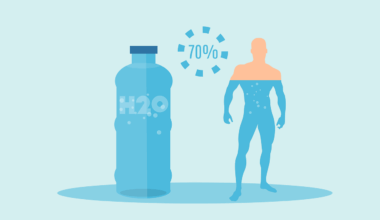
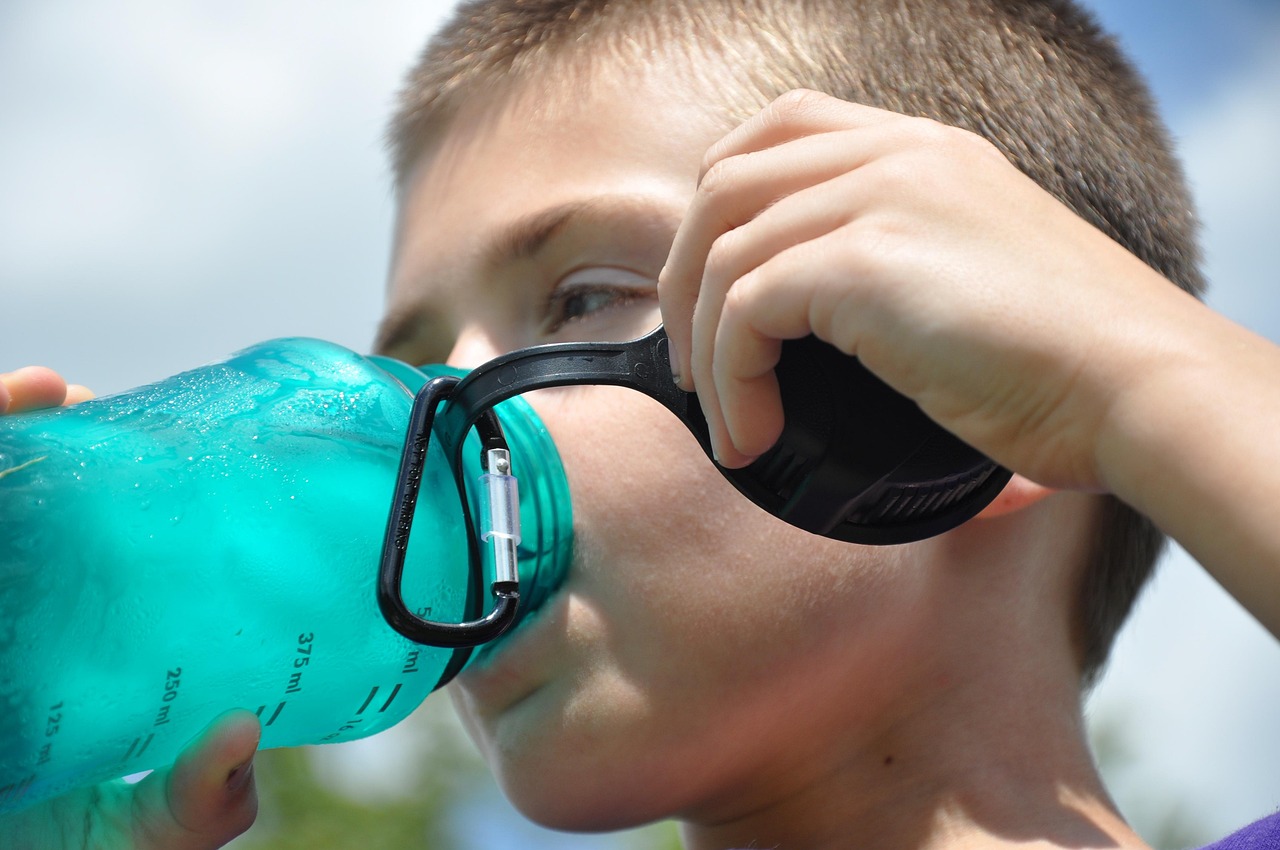
Staying hydrated is crucial for athletes, particularly when exercising in cold environments. Despite lower temperatures often reducing the sensation of thirst, your body still loses fluids through sweat and respiration. To maintain optimum performance, consider incorporating hydration strategies that specifically cater to the cold. For instance, increasing the intake of warm fluids such as herbal tea or low-sodium broth can be beneficial. Always keep a bottle close at hand, ensuring it’s insulated to prevent freezing. Remember, fluid loss can occur silently, which can lead to dehydration. A great way to monitor hydration status is by checking the color of your urine; pale yellow indicates adequate hydration.
In cold weather, it is important to remember the need for electrolytes, especially sodium and potassium. When hydration focuses solely on water intake, it may result in an electrolyte imbalance, leading to fatigue or decreased performance. Athletes should consider electrolyte-based drinks that can replenish lost fluids while maintaining balance. Foods like bananas, oranges, and salty snacks can also enhance electrolyte levels. Additionally, consuming snacks that are high in carbohydrates and low in fat can offer energy while being easier to digest during colder workouts. Remember, pre-hydrating before heading out is essential to ensure optimal fluid levels are maintained throughout your activities. Aim to drink at least 16–20 ounces of fluids before exercising, especially in colder environments.
Athletes often overlook the impact of clothing on hydration. Wearing layers or materials that wick moisture away can help regulate body temperature and reduce sweat production. This can preserve fluids in colder weather. However, wearing too many layers can lead to overheating, causing excessive sweating that depletes fluid levels. Therefore, athletes should adjust their clothing based on the intensity and duration of their workouts. Always test different combinations during training to find the right balance. Proper attire not only maintains warmth and comfort but also aids in reducing fluid loss effectively during cold weather activities. Keep in mind that while hydration is crucial, the right clothing can enhance overall performance without unnecessary hydration stress.
Key Hydration Strategies
In addition to drinking frequently, athletes should take advantage of timing their hydration. Consuming fluids right before, during, and after workouts can optimize performance. A good guideline is to sip 7–10 ounces of a hydrating beverage every 15–20 minutes during exercise. Remember to choose drinks that match your taste preferences, as palatability influences hydration levels. Using hydration strategies can improve athletic performance and endurance when temperatures dip. Carrying a hydration pack or a thirst-quenching strategy like hydration checkpoints during training will ensure water access is easy and habitual. Finally, always listen to your body’s cues—adjust drink intake according to environmental conditions and personal hydration needs.
During long-duration activities, consider incorporating hydrating foods into your nutrition plan. Fruits with high water content, such as watermelon and oranges, can provide essential hydration. Additionally, consuming meals rich in water, along with beverages, can further support hydration levels. When preparing for any outing in cold temperatures, always plan snacks that include a mix of carbohydrates, protein, and healthy fats to maintain energy levels. Proper nutrition will also aid hydration in the long run, ensuring lasting performance. Thoughtful meal planning can lead to effective hydration strategies while enhancing recovery. It’s crucial not to overlook snacks during training sessions as they play a significant role in hydration and overall energy management for athletes.
Athletes exercising in cold weather should also be aware of the impact that altitude can have on hydration needs. The higher the altitude, the thinner the air, which can increase the rate of fluid loss through respiration. This might require additional hydration to combat the drying effect of cold, elevated air. In such environments, sticking to individual hydration strategies is essential. Athletes should take care of their bodies by monitoring their fluid balance, and making adjustments as needed based on their environment and activity level. Engaging in self-assessment through hydration tracking can provide insight into personal fluid needs, allowing for adjustments to be made as conditions change. Tracking your hydration can also be helpful in identifying trends and requirements.
Final Thoughts on Hydration
In conclusion, hydration for athletes in cold environments involves multifaceted strategies that consider both fluid and electrolyte intake. It is vital to incorporate a blend of warm fluids, hydrating foods, and appropriate clothing choices to minimize fluid loss during cold weather activities. Remember to listen to your body and maintain regular hydration checks to avoid dehydration. Moreover, adapting your nutrient intake to complement hydration can lead to enhanced performance. Employing methods such as hydration timing, food selection, and being mindful of altitude will further optimize hydration status. Incorporating these tips will help athletes excel, regardless of the weather conditions.
By adhering to these hydration strategies, athletes can improve their overall performance while exercising in cold conditions. Staying mindful of hydration not only supports physical exertion but also enhances endurance and recovery. Making fluid and electrolyte replenishment a priority ensures that athletes can achieve their goals without sacrificing well-being. Overall, getting accustomed to these practices can lead to long-term benefits, creating habits that last beyond just cold-weather training. Continue exploring awareness around hydration along with relevant nutritional practices to elevate your athletic performance. Hydration remains a key aspect of every athlete’s training regimen no matter the temperature. Optimize your hydration, and you’ll be equipped to tackle any challenge.