Understanding ACL Injuries in Skiing and Snowboarding
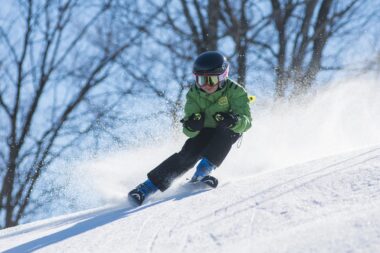
ACL injuries are prevalent in winter sports, particularly skiing and snowboarding. The ACL, or anterior cruciate ligament, is crucial for stabilizing the knee joint. When individuals engage in these sports, the risk of sudden twists and falls increases significantly. Unfortunately, such movements can lead to ACL tears or strains, severely impacting an athlete’s ability to perform. The consequences of these injuries can extend beyond physical pain, often requiring lengthy rehabilitation periods that can sideline athletes for months. Recognizing the symptoms of an ACL injury is essential. Typical symptoms include severe knee pain, swelling, and instability during movement. Diagnosing ACL injuries typically involves a combination of physical examinations and imaging tests like MRIs. Prevention strategies are essential for winter sports enthusiasts. Proper warm-up exercises and strength training can help stabilize the muscles around the knee. Moreover, using correct techniques while skiing or snowboarding significantly reduces the risk of injury. Wearing appropriate skiing equipment, such as well-fitted boots and bindings, also plays a role in protecting the ACL. Individuals should seek immediate medical attention if they suspect an ACL injury to ensure proper evaluation and treatment.
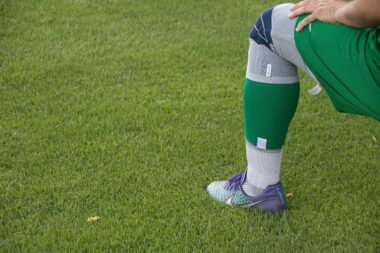
After an ACL injury, the treatment plan varies based on injury severity. Initially, treatment often involves rest, ice, compression, and elevation—collectively known as RICE. This method helps reduce swelling and relieve pain immediately following the injury. Depending on the severity of the tear, physical therapy might be recommended. A skilled physical therapist can guide patients through tailored exercises designed to restore knee strength and movement. If the injury involves a complete tear, surgical intervention may be necessary. Surgery typically involves reconstructing the ACL using a graft from either the patient’s body or a donor. Post-surgery, rehabilitation remains critical. Follow-up physical therapy focuses on gradually restoring functionality while strengthening the knee. Rehabilitation often lasts several months and includes a combination of exercises focusing on flexibility, strength, and stability. Patients should be aware that returning to winter sports post-injury must be approached cautiously. Medical clearance and completion of a rehabilitation program are essential prerequisites before resuming skiing or snowboarding. Athletes often undergo function-specific testing to determine their readiness for the return to activity. Following a comprehensive treatment and rehabilitation plan typically allows for a successful return.
Preventative Measures for ACL Injuries
While it’s impossible to completely eliminate the risk of ACL injuries, specific preventative measures can significantly reduce the likelihood of such injuries occurring. Individuals participating in skiing or snowboarding should prioritize education on fall techniques. Learning how to land safely can minimize injury potential. Additionally, investing in proper training techniques is vital. Building strength and balance exercises specifically targeting the lower extremities helps fortify the knee joint’s support system. Warm-up routines should incorporate flexibility exercises that prepare the body for the rigors of winter sports. People should consider participating in strength and conditioning programs focusing on these areas before hitting the slopes. Adequate equipment is also essential. Skiers and snowboarders must ensure their gear is appropriate and fitted correctly, including bindings that release during a fall. Proper boot fit is paramount, as a secure boot can help prevent unwanted knee movement during impacts or falls. Furthermore, maintaining an appropriate body weight through diet can play a role in minimizing stress on the knees. Lastly, skiers and snowboarders should avoid extreme terrains that may pose greater risks of injury, thereby facilitating a safer experience.
Understanding the recovery process from an ACL injury is crucial for anyone involved in winter sports. The initial phase post-injury focuses on reducing inflammation and managing pain, requiring patience and adherence to the prescribed methods. As recovery progresses, functional exercises become integral to strengthening the knee joint. Gradual progression in physical therapy allows individuals to learn effective techniques to regain their athletic capabilities. Performance metrics during rehabilitation, such as strength assessments and balance tests, significantly dictate when an individual is ready to return to skiing or snowboarding. Return-to-play protocols often involve specific benchmarks, such as achieving a certain range of motion and strength compared to the uninjured knee. Once cleared to return, athletes should maintain a cautious approach. Considerations must include monitoring their mental state, as confidence levels may be affected after an injury. Finally, adopting a regimen that incorporates ongoing injury prevention techniques will provide a robust foundation for the athlete’s continued engagement in skiing or snowboarding. Reinforcing strength training, agility drills, and skill improvements remains vital during every winter season, even after returning to activity.
Signs and Symptoms of ACL Injuries
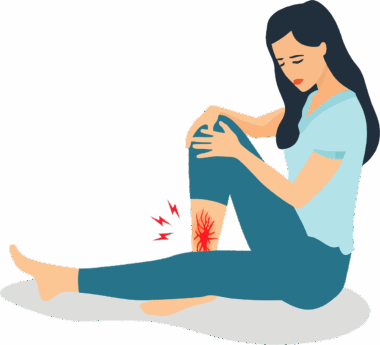
Identifying the signs and symptoms of an ACL injury can expedite treatment and enhance recovery outcomes. The injury often presents itself through sudden swelling in the knee joint, which may occur minutes or even hours after the trauma. Individuals may experience acute pain, particularly in the initial stages of the injury. Additionally, a distinctive popping sound may be heard at the time of injury, signaling a possible tear. As time passes, individuals may find that their knee feels unstable, leading to difficulty with weight-bearing activities. Functional limitations such as inability to pivot or change directions may also arise. Those experiencing these symptoms should refrain from skiing or snowboarding and seek prompt medical evaluation. Diagnostic assessments, including a thorough physical examination alongside imaging studies, can offer a comprehensive understanding of the injury’s extent. Recognizing the early signs of ACL injuries not only facilitates appropriate medical intervention but also aids individuals in making informed decisions about when to return to sports. Education on these symptoms can immensely benefit winter sports enthusiasts in recognizing when to prioritize their wellbeing and safety.
The psychological impact of an ACL injury shouldn’t be overlooked in athletes’ lives. Beyond the physical limitations, individuals often contend with significant emotional challenges during recovery. Concerns about re-injury can lead to anxiety, affecting performance when athletes eventually return to skiing or snowboarding. Psychological support during rehabilitation offers a valuable resource. Athletes can benefit from counseling to address fears and ensure a healthy transition back to sports. Support from coaches, teammates, and family also plays a crucial role in recovery. Open discussions regarding feelings of apprehension lead to better coping strategies and enhance the overall healing process. Setting realistic goals during rehabilitation fosters a positive outlook for those recovering from injury. Encouraging gradual progression and celebrating small milestones creates a supportive atmosphere that bolsters confidence. Furthermore, involvement in mental skills training can empower athletes to confront challenges confidently. This preparation enhances their chances of success after returning to the slopes. As athletes engage in such practices, they pave the way for not only physical recovery but also mental resilience, readying them for future skiing or snowboarding seasons.
The Importance of Rehabilitation
Rehabilitation following an ACL injury is vital for ensuring athletes can safely return to skiing or snowboarding. An effective rehabilitation program will focus on regaining strength, enhancing flexibility, and restoring functionality. Collaborating with healthcare providers and physical therapists is necessary to develop tailored, individualized recovery plans. The goals of immediate post-injury rehabilitation focus on reducing pain and swelling. Once the acute phase subsides, strengthening exercises should be incorporated to rebuild the surrounding muscles that support the knee joint. Progressively introducing sport-specific exercises during rehabilitation mimics the demands of skiing or snowboarding, which aids in preparing the athlete for a safe return to the slopes. Functional drills that focus on balance and agility become increasingly important as recovery advances, allowing athletes to regain confidence in their knee. Continuous monitoring of progress also helps in maintaining motivation, offering athletes a clear pathway to achieving goals. Regular follow-up appointments provide opportunities for feedback and adjustments to the rehabilitation protocol as needed. Ultimately, a comprehensive rehabilitation approach is essential for optimizing recovery and facilitating a successful return to winter sports while minimizing future injury risks.
Winter sports often present unique challenges and risks for athletes. Among these, ACL injuries stand out due to their prevalence and potential complications. Awareness and education regarding these injuries can lead to better outcomes for athletes who participate in skiing and snowboarding. Comprehensive knowledge of how the ACL functions and the mechanisms behind injuries will empower athletes to make informed decisions. Recognizing the importance of preventive measures, proper training, and acknowledging when to seek medical attention is critical. Furthermore, adapting one’s skiing or snowboarding techniques to include safeguards against injuries plays a massive role in reducing risk. Athletes should cultivate a proactive mentality regarding their health, prioritizing both mental wellbeing and physical preparation. Seeking support from professionals and peers fosters a resilient sports community that acknowledges injury regularly yet focuses on prevention strategies. Many organizations focus on educating winter sports enthusiasts while advocating for safe practices. Online resources and workshops are available, encouraging participation while emphasizing precaution. Ultimately, fostering an understanding of ACL injuries within winter sports communities will yield long-term benefits for athletes, allowing them to enjoy these thrilling activities while minimizing the risk of severe injury.