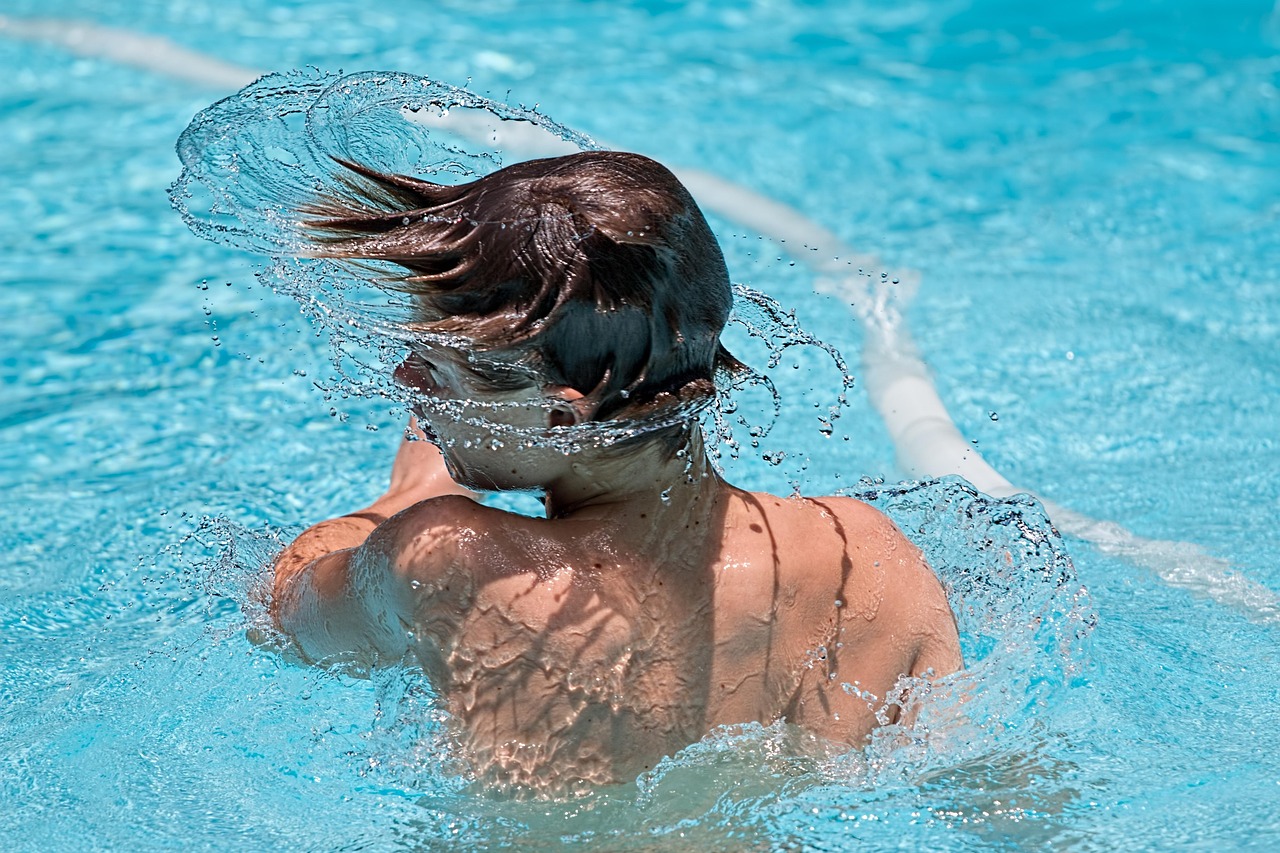

Using Swimming to Aid Post-Surgical Recovery
Swimming is an effective rehabilitation method with unique properties beneficial for post-surgical recovery. Its low-impact nature allows individuals to engage in physical activity without undue stress on joints. After surgery, many patients experience weakness, stiffness, and loss of mobility. This is where swimming comes in as a therapeutic option. The water provides buoyancy, supporting the body and making movements easier. Furthermore, hydrostatic pressure helps reduce swelling and supports circulation. Patients often find that the relief from pain enhances their overall recovery experience. Swimming also offers the opportunity for gradual reintroduction to exercise, promoting mental well-being. This can be essential in overcoming the psychological effects that surgery can have on a patient. Moreover, structured swimming programs can be tailored to suit individual needs and specific surgical procedures. These programs focus on strength, flexibility, endurance, and coordination. When working with a trained therapist, patients can achieve optimal outcomes. Incorporating swimming post-surgery can significantly improve quality of life, encourage quicker recovery, and increase motivation to return to full activity. Therefore, integrating swim therapy into rehabilitation protocols holds promise for enhancing the recovery journey.
Building strength through swimming is fundamental for postoperative patients. As they gradually regain mobility, water resistance plays a vital role. Water offers a natural form of resistance during movements, allowing patients to strengthen muscles without excessive strain. This is particularly beneficial for recovering from surgeries in areas like the knees, hips, or shoulders. An important focus is on improving core stability through swimming techniques. A strong core facilitates better movement patterns and reduces the risk of re-injury. Physical therapists often recommend swimming strokes, such as freestyle or breaststroke, to enhance rehabilitation programs. Furthermore, transitioning between different strokes engages various muscle groups, promoting overall muscle development. Consistency is key, and a regular swimming schedule keeps patients motivated. They can track their progress and celebrate achievements, no matter how small. Breathing techniques integrated into swimming also enhance lung capacity, aiding recovery, especially after respiratory surgeries. Encourage patients to maintain open communication with their healthcare team to set achievable goals. Safety must always be prioritized, particularly in the early stages of recovery. Gradually increasing duration and intensity, under supervision, has proven effective. Ultimately, swimming can be a cornerstone for rebuilding strength during recovery.
The Psychological Benefits of Swimming
In addition to physical advantages, swimming provides significant psychological benefits post-surgery. Incorporating swimming into a rehabilitation routine can greatly boost mood and motivation. Engaging in water activities offers a unique sense of freedom and relaxation that is not present on land. The soothing nature of water helps reduce stress and anxiety, crucial for mental recovery following surgery. Patients often report feeling a sense of normalcy and empowerment while in the water, fostering positive self-perception. Additionally, being in a group swim class can enhance the social aspect of recovery, combating feelings of isolation and depression. The camaraderie and support among participants contribute to enhanced overall well-being. Mindfulness is also a key benefit when swimming. Moving rhythmically through water encourages individuals to focus on their breath and movements, promoting a form of meditation. This can lead to decreased negative thoughts and increased emotional resilience. Integrating a mindful approach to swimming allows recovering patients to reconnect with their bodies positively. Combining these mental health benefits with physiological rehabilitation creates an all-encompassing recovery process, making swimming an excellent rehabilitation tool for surgical patients.
When implementing swimming into rehabilitation plans, goals and assessment come first. Working with healthcare professionals ensures swimmers engage at suitable levels for recovery. Individual assessments help identify specific limitations and strengths that must be addressed. Creating a personalized swimming program can significantly enhance rehabilitation outcomes. Also, patient education concerning swimming techniques and safety protocols is necessary for effective rehabilitation. They must understand the importance of warm-ups to prevent injury and the value of stretching afterward. Monitoring progress is crucial. Regular evaluations help determine if adaptions to the swimming routine are needed. It is essential to document improvements in strength, endurance, and range of motion. Healthcare teams can then adjust programs as required, ensuring continued motivation and progression. Family involvement can also aid recovery. Encouraging loved ones to participate in swimming sessions fosters collaboration and enjoyment. The shared experience can create accountability and make rehabilitation less isolating. It is important to note that swimming should be considered an adjunct to other therapies, such as physical therapy and pain management. Combining multiple approaches will yield comprehensive recovery strategies and support patients’ long-term success.
Swimming Techniques for Rehabilitation
A variety of swimming techniques can address different areas of rehabilitation effectively. For upper body rehab, incorporating exercises such as arm strokes and kickboards can help restore strength and range of motion. The use of foam noodles or resistance bands in the pool enhances muscle engagement and technique focus. Following lower body surgeries, using drill sets for kicking can promote strength and flexibility in legs without ground impact. Patients can start with gentle kicking exercises, gradually increasing duration and resistance as healing progresses. Additionally, adopting various strokes within a swimming routine diversifies the workout, reducing the monotony often associated with rehab exercises. As a bonus, these variations can promote enjoyment and ensure patients remain motivated. Focus on improving technique over speed is essential. Patients should aim for consistency over intensity, allowing them to avoid overexertion while comprehensively working through movements. Aqua aerobics can also be a fun option, providing an environment for group engagement while still focusing on rehabilitation. Specialized swim lessons focusing on technical aspects can further assist in ensuring proper techniques. In conclusion, a variety of swimming strategies can be tailored to enhance rehabilitation success.
Ensuring safety while swimming is vital during rehabilitation. It is important to know each patient’s limitations and needs when formulating a swimming routine. Always start in a safe, shallow area of the pool, enabling confidence in movement without the fear of deep water. Assess water temperature, ensuring it is comfortable but not overly hot to prevent fatigue. Supervision during initial sessions is essential for both safety and encouragement. Patients should be clear about their discomfort levels and informed of signs that necessitate stopping. Safety gear, such as flotation devices, may be beneficial, especially during the initial stages of swimming therapy. Staying hydrated and taking breaks are crucial in avoiding fatigue. Rest periods allow the body to recover while ensuring a positive swim experience. As patients gain confidence in their abilities, they may gradually progress to deeper sections and faster paces. Group swimming sessions can also enhance safety, as individuals can support and motivate each other. To create a positive environment, consider offering incentives or challenges to keep participants engaged. Balancing safety with enthusiasm can transform swimming into a rewarding rehabilitation tool in the recovery journey.
Conclusion: Embracing Swimming for Recovery
In conclusion, swimming presents a multifaceted approach to rehabilitation post-surgery. Its low-impact nature, comprehensive benefits, and versatility make it an excellent choice for recovery. Swimming not only aids in physical rehabilitation by strengthening muscles and improving mobility, but it also fosters mental well-being. Engaging in this pleasurable activity can alleviate feelings of isolation and depression often associated with post-surgical recovery. As a versatile medium for rehabilitation, swimming can be adapted to suit various levels of ability and recovery phases. Formulating personalized programs infused with technical learning and encouraging group participation promotes positive outcomes. Ensuring patient safety aligns with motivational approaches to make rehabilitation enjoyable. As healthcare providers and patients embrace the power of swimming, they facilitate a holistic recovery path. Decisions regarding implementing swimming therapy should always include professional advice and monitoring, tailoring routines for maximum effectiveness. When swimming is seen as an integral part of rehabilitation, patients are typically less resistant to engaging in their recovery journey. Long-term, studying the outcomes linked to swimming as an adjunct therapy for surgical recovery can yield valuable insights into effective rehabilitation practices.
This is another paragraph with exactly 190 words…


