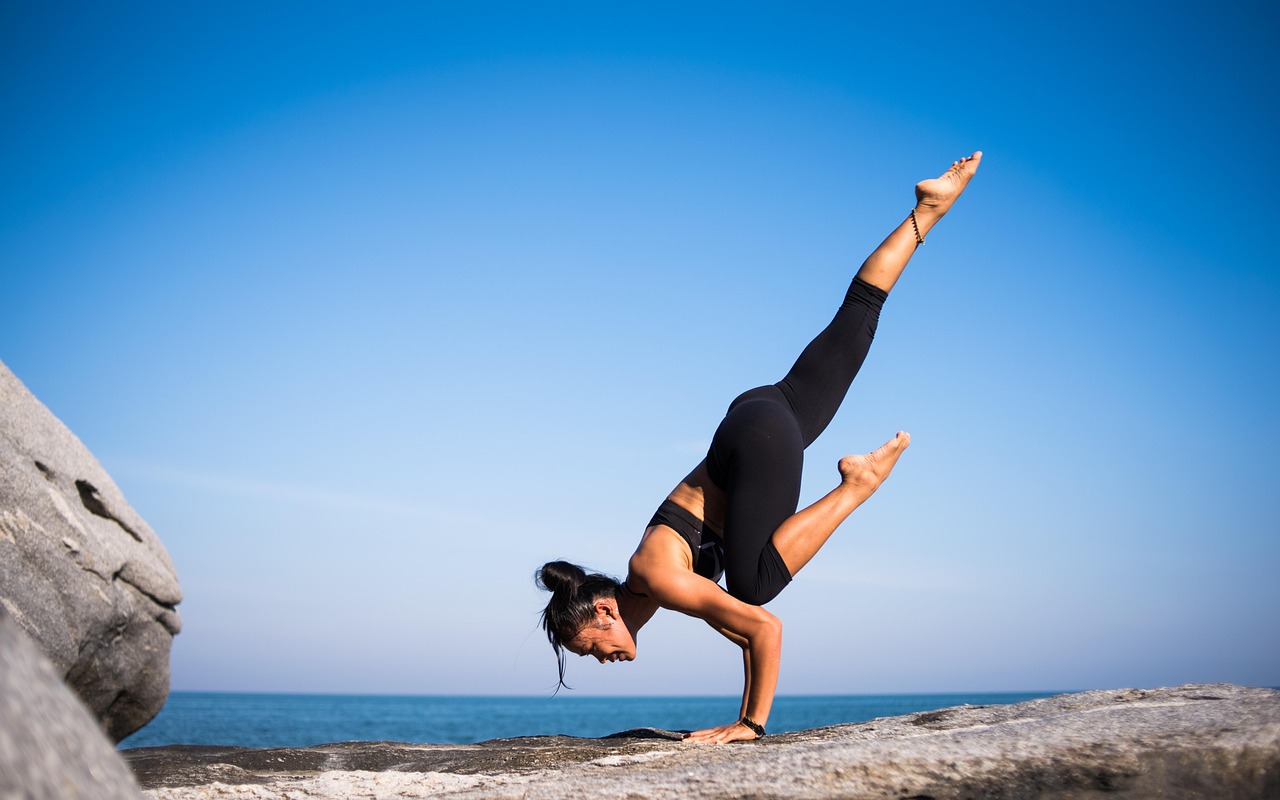

Improving Balance and Coordination Through Pencak Silat
Pencak Silat is a traditional martial art from Indonesia, predominantly practiced for self-defense and physical fitness. It emphasizes balance and coordination, essential skills for martial artists of all levels. In Pencak Silat, practitioners engage in a series of moves that require dynamic movements, agility, and strong body control. The training sessions involve complex stances and transitions that challenge an individual’s balance. Participants should cultivate concentration and body awareness during these movements. Various forms of kicks and stances encourage coordination, requiring each student to harmonize their body movements with their mental focus. Pencak Silat practitioners develop enhanced proprioception and muscle memory through repetitive training. The discipline offers numerous health benefits, including increased flexibility and core strength. Over time, participants learn to maintain stability during footwork and in conflict scenarios, which significantly boosts self-confidence. Whether you’re a beginner or an advanced student, the journey of mastering balance and coordination might be transformative. Enthusiasts of this martial art often find themselves more in tune with their body, which is a rewarding aspect of their training experience. Cultivating these skills leads to improved performance across various life situations.
The practice of Pencak Silat is not just about physical movement; it is also a mental challenge. As students advance, they learn to coordinate their mind and body harmoniously, aiding in the development of balance. This includes understanding timing, distance, and rhythm during training. Moreover, students often find themselves engaged in sparring and self-defense exercises that require them to maintain equilibrium while executing techniques. The social aspect of training with partners further enhances these skills. Practicing with a partner helps a student learn to adjust their balance and movements based on the other person’s actions. They develop the ability to react effectively while maintaining their own stability. We can see that siblings or friends training together positively impacts their coordination. Pencak Silat, through its various styles, emphasizes movement patterns that foster equilibrium and fluidity. Students often engage in solo forms called “silat”, developing their control and awareness with each choreography. This practice also cultivates strong teamwork skills, as individuals must learn to anticipate their partner’s moves. With consistent training, participants report feeling more grounded, agile, and confident within themselves, leading to improvements beyond the martial art itself.
The Role of Basic Techniques in Enhancing Balance
Fundamental techniques play a crucial role in improving balance within Pencak Silat. Practitioners typically start by mastering basic stances that will become the foundation for all movements. These stances focus on distributing weight appropriately across the feet and understanding the center of gravity. Students learn to engage their core muscles while shifting weight, providing a strong platform for movement. As they become proficient with these stances, they can transition smoothly into dynamic kicks and strikes. Strengthening their lower body culminates in effective footwork, allowing smooth transfers between various positions. The focus on basic techniques fosters body awareness and helps practitioners maintain stability throughout their movements. Their coordination improves significantly as they learn to anticipate shifts in balance and adjust accordingly. When incorporating agility drills into their routine, students learn to maneuver rapidly while still maintaining their stance. Moreover, incorporating balance exercises, such as single-leg stand-ups or slow, controlled movements, enhances coordination and stability. Developing these fundamental skills pays off during more complex techniques. They reward practitioners with greater confidence and safety during practice as they enhance their ability to control their body effortlessly.
The connection between breath control and balance is another essential aspect of Pencak Silat. Breath plays a significant role in enhancing focus, which naturally contributes to improved stability. As students learn to synchronize their breathing with movements, they develop a rhythm that aids balance. Proper breathing techniques enhance oxygen flow to muscles, leading to sustained energy levels. While practicing, students should inhale during movements, exhale during strikes, and establish a calm mental focus. This dynamic connection not only enhances their martial arts performance, but it also carries over beneficially into daily activities. Coordinating breath with movement ensures that each action is deliberate and purposeful, minimizing the risk of injuries. The mental aspect of breath control enables practitioners to remain composed during stressful situations, thus enhancing their overall balance both physically and mentally. It encourages a mindful approach, allowing students to develop self-discipline. When individuals face challenges, they become more adept at maintaining their composure and adjusting their balance accordingly. Through structured training on breath, practitioners significantly enhance their martial arts skills and daily functional performance.
Impact of Pencak Silat on Daily Life Balance
The principles of balance and coordination learned through Pencak Silat extend beyond the dojo into everyday life. Many practitioners report improved overall balance in their daily activities, from walking to climbing stairs. The training cultivates a heightened sense of body awareness that translates to better posture and stability. Practitioners find themselves less prone to slips or falls, leading to improved safety while performing routine tasks. Furthermore, the development of disciplined movements helps individuals manage physical challenges, such as lifting heavy objects, more effectively. The heightened proprioception gained offers advantages during activities requiring multi-tasking or quick reflexes. Spending time in Pencak Silat training makes practitioners more adaptable and agile, qualities that enhance the quality of life. Enhanced balance skills translate to better performance in sports and recreational activities, including dancing, hiking, and cycling. Individuals enjoy participating in various events without hesitation, thanks to heightened confidence in their abilities. Additionally, the sense of accomplishment derived from mastering balance in Pencak Silat boosts self-esteem. Family and friends often notice these positive changes, encouraging further engagement with the martial art community.
Consistency remains vital for achieving long-lasting balance improvement through Pencak Silat. Progress is gradual and demands patience and dedication. Regular practice ensures that the skills developed become ingrained and automatic. Students interested in enhancing their balance must commit to periodic training sessions, even dedicating time for personal practice at home. Integrating balance-focused exercises into daily routines can significantly enhance overall performance. Students can try various balance-improving activities, such as yoga or pilates, to supplement their training, further developing core strength. It is important to set specific goals that measure progress over time, such as mastering a complex move that tests balance and coordination. Tracking improvements can motivate individuals to continue their journey, and recognizing accomplishments boosts morale. Creating supportive environments within training groups also encourages accountability. Overcoming personal challenges fosters camaraderie, motivating participants to work together. Engaging in friendly competitions or goals promotes balance and coordination improvement. Students and instructors can collaborate to refine techniques and analyze personal progress. The sense of accomplishment inspires commitment to the practice and sets new aspirations for balance mastery through Pencak Silat.
Conclusion: The Holistic Benefits of Pencak Silat
Ultimately, the practice of Pencak Silat offers not only enhanced balance and coordination but holistic benefits that encompass physical, mental, and emotional well-being. Practitioners learn that martial arts goes beyond aggression or fighting, showcasing attributes like discipline and respect. The focus on self-improvement remains an essential aspect of this traditional art, cultivating valuable life skills and personal growth. The camaraderie found in training sessions fosters a supportive and positive environment where encouragement is routine. Through ongoing commitment, participants reap the rewards of increased balance and coordination, which reflect in their daily activities. The multifaceted benefits redirect energies toward self-empowerment and improved overall health. Practitioners cultivate lasting friendships that motivate continuous growth. They build resilience, confront personal challenges, and adapt gracefully to life’s inevitable difficulties. Pencak Silat’s emphasis on unity between mind and body allows individuals to thrive, becoming more balanced not just physically but also emotionally and socially. The journey toward mastering balance in Pencak Silat becomes a lifelong path that enriches every aspect of a practitioner’s life, expansive in personal achievement that inspires others to embark on their own unique journey.