
How to Pack Efficiently for Obstacle Course Racing Destinations
Packing effectively for an Obstacle Course Racing (OCR) event is crucial for ensuring a successful and enjoyable experience. Start by considering the climate and terrain of your destination. Research local weather patterns to decide on appropriate clothing like moisture-wicking shirts, durable pants, or shorts. Include essential protective gear such as gloves and knee pads that can provide safety while tackling different challenges. Next, prioritize packing your OCR shoes. Opt for footwear that provides adequate grip and support for various surfaces. A secondary pair can be useful for post-race, ensuring comfort while exploring the area. Additionally, pack personal care items like sunscreen, lip balm with SPF, and insect repellent to protect your skin from harsh outdoor elements. Make sure your backpack or duffle bag is organized with compartments to separate clean clothes from dirty ones. Don’t forget a water bottle, energy gels, or snacks to stay hydrated and energized during the adventure. Being prepared for all scenarios can elevate your OCR experience and make it more enjoyable while minimizing stress.
Furthermore, consider the importance of packing supplemental gear that can enhance your performance during an OCR event. A multi-tool can be indispensable, helping you tackle unexpected situations, fix gear, or adjust your equipment as needed. Carrying a small first-aid kit is equally important for addressing minor injuries or scrapes that might occur during your event. Include band-aids, antiseptic wipes, and any personal medications required in your kit. Moreover, pack a small towel for quick clean-ups after tough obstacles or a swim. A compact, travel-sized pack is ideal for easy transport. If your race involves challenging weather conditions, consider waterproofing your belongings. Zip-lock bags can protect valuables like your phone and wallet from water or mud. Consider a comfortable foldable chair for post-race relaxation at the venue. Keeping your body well rested can enhance recovery after the race and help you recharge for the next challenge. Planning your gear selection with care will ultimately allow you to fully enjoy your OCR experience, making the race day enjoyable and memorable.
Organizing Your Gear
Efficiently organizing your gear is just as important as selecting the right items. Before packing, create a detailed checklist. Write down everything you need, categorizing your items into clothes, gear, nutrition, and personal items. This method minimizes the risk of forgetting crucial items and helps streamline your packing process. Once you start packing, try rolling your clothes instead of folding them. This technique not only saves space but also reduces wrinkles, helping you stay organized and presentable. Use packing cubes or zippered bags for smaller items like socks, toiletries, and snacks. Designate a specific section of your bag for “race day essentials,” such as bib and timing chip, so you can easily access them. It’s helpful to prepare a separate bag for post-race clothes, ensuring you have a fresh change ready after the race. Always remember to double-check your gear layout upon arrival to reduce the chances of missing anything. By implementing an organized packing strategy, you’ll minimize stress before the event and enhance your ability to concentrate on your performance.
When traveling to an OCR event, consider logistics beyond packing your gear. Transportation might include a long drive or flight, which necessitates planning ahead. If flying, check airline restrictions on sports equipment and pack accordingly. It may save money to ship large items like bikes or specialized gear if you’re traveling to an event that’s further away. Book accommodations that are preferably close to the venue, reducing travel time on race day. Look for hotels that offer amenities for athletes, such as early breakfasts to fuel your energy before the event. Check if they have facilities for washing and drying your gear post-race. Additionally, staying with fellow racers might reduce costs and help create a fun group atmosphere. Don’t forget to explore the race location after your event. Research local attractions, restaurants, or outdoor activities to make the most of your trip. Engaging with the community and other racers fosters connections that enrich your OCR experience, turning a simple trip into a memorable adventure. Make the most of every aspect related to your racing journey.
Dealing with Obstacles
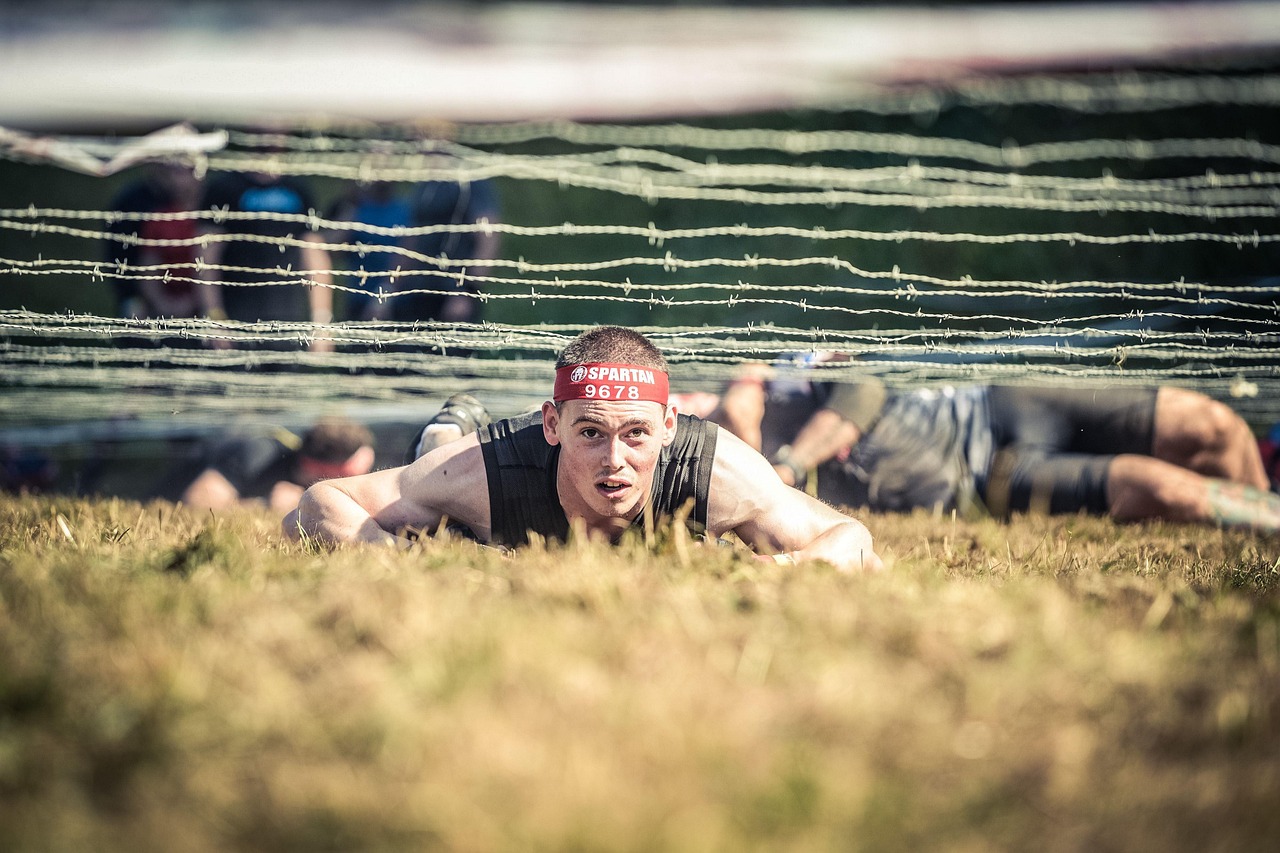
Another aspect to consider is the potential obstacles you may face during the event and how to prepare for them. Obstacle courses can vary widely, from mud pits to rope climbs, and each requires specific techniques and mindsets. Assessing your strengths and weaknesses can help you focus your training on the skills you need to improve. Mental preparedness is equally important; visualize yourself tackling each obstacle successfully. Consider connecting with experienced racers who can provide insight on how to approach specific challenges. A positive mindset and confidence can make a tremendous difference in your event performance. In case of surprises, pack a few backup items, such as extra clothes for unexpected conditions or food if your energy levels drop. Flexibility is vital. Point out that outcomes in OCR are often unpredictable, and having a contingency plan not only helps in performance but can ease event-day anxiety. This allows you to adapt and react to whatever happens, maximizing your enjoyment of the race. Preparing not just physically but mentally and strategically ensures a fulfilling and successful racing experience.
In addition to all these practical considerations, nutrition plays a significant role in preparing for OCR events. Prioritizing a balanced diet leading up to your trip supports your overall performance. Focus on high-quality carbohydrates for energy, lean proteins for muscle recovery, and healthy fats that aid in endurance. Most importantly, stay hydrated; dehydration can severely impact performance. Research local cuisine options that align with your dietary needs. Bring your favorite energy bars or gels to maintain energy during training and post-race recovery. Eating small meals and snacks throughout the day will help maintain nutrient levels and energy. Connecting with other athletes about their nutrition strategies can spark new ideas and improve your overall regimen. After your race, take time to honor a healthy recovery meal. Fueling your body adequately after exertion ensures better muscle repair and fuels your next day. Incorporate fruits, veggies, and proteins to replenish what you’ve burned. This approach not only enhances recovery but also promotes good habits for future races. By caring for your nutrition along the way, you’ll enhance your overall performance experience.
Post-Race Considerations
Finally, remember that your Packing doesn’t end when the race concludes. It’s essential to pack healing tools and recovery materials, such as foam rollers or massage balls. These tools can assist in relieving sore muscles in the days following your race. Once you’ve finished the race and celebrated your achievements, it’s a fantastic time to share experiences with fellow participants. Take photos and capture moments to remember your journey. Engaging on social media or racing forums can also help you maintain connections, leading to camaraderie in the OCR community. Also, don’t underestimate the importance of sharing recovery strategies and tips you’ve learned with other racers. Reflect on your performance to identify what worked well and what could be improved for future races. Consider journaling about your experiences or blogging to keep memories alive. Participants often overlook these reflection opportunities, but they can be incredibly valuable. Ultimately, enjoying your OCR event is not just about the race itself, but the whole journey—traveling, preparing, racing, and recovering, all of which create unforgettable memories.
Your journey into the world of OCR will continue to evolve as you gain experience. Embrace the cycles of learning and growth, holding on to the valuable lessons along the way. By adapting your packing strategies based on what works well for you, you’ll enhance every OCR trip. The skills you develop won’t just enhance your racing capabilities but may also enhance your overall travel experience. It’s vital to remember that every race is an opportunity to connect, learn, and develop lifelong friendships within the OCR community. Appreciate the journey, embrace the challenges, and keep aiming for new heights in the sport while you relish your adventures in Obstacle Course Racing. Packing wisely today influences your OCR tomorrow, ensuring you thrive in both performance and enjoyment.