
Ways to Improve Sleep for Better Gut Microbiome Balance
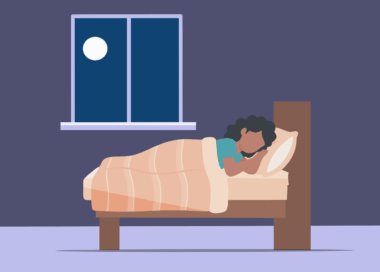
Improving sleep quality is paramount for those seeking to balance their gut microbiome. First, consider establishing a consistent sleep schedule to enhance your body’s internal clock. Go to bed and wake up at the same time daily. This consistency will help regulate the sleep-wake cycle, promoting better overall health. Secondly, create a calming bedtime routine to signal your body that it is time to wind down. This may include reading, meditation, or gentle stretching. Furthermore, consider your sleep environment; it should be dark, cool, and quiet to facilitate restful sleep. In addition, avoid caffeine and heavy meals close to bedtime. These can disrupt your sleep cycle and hinder the gut repair process during deep sleep phases. Additionally, make room for natural sunlight exposure during the day. Natural light helps regulate circadian rhythms, optimizing your sleep quality at night. Lastly, remember to limit screen time before sleeping. The blue light emitted by screens can interfere with melatonin production, making it difficult to fall asleep. All these combined changes can significantly benefit your gut health and overall well-being.
Nutrition and Sleep
Your diet plays an essential role in both sleep quality and gut health. Consuming a balanced diet rich in vegetables, fruits, and whole grains can promote better gut microbiome function and subsequently improve sleep. Foods high in magnesium, such as leafy greens, nuts, and seeds, may help relax the body and promote better sleep quality. Additionally, probiotics found in yogurt and fermented foods can positively impact gut health. Including these foods in your diet can enhance the balance of good bacteria in your gut. On the other hand, it is wise to avoid highly processed foods, sugar, and excessive caffeine. These can disrupt gut health and, in turn, negatively impact sleep. Consider a light evening snack that combines protein and complex carbohydrates to help regulate blood sugar levels overnight. Furthermore, incorporating herbal teas like chamomile or valerian root into your evening routine may aid relaxation and support sleep quality. Remember that hydration is also crucial, but avoid excessive fluids right before bed to prevent nighttime awakenings. Overall, nutrition is a vital aspect of developing a better sleep routine while supporting gut health.
Exercise is another fundamental component in improving sleep quality and gut microbiome balance. Engaging in regular physical activity can significantly help regulate your sleep patterns and enhance the quality of your rest. Aim for at least thirty minutes of moderate exercise most days of the week. Activities like walking, cycling, and swimming can reduce anxiety and stress, which are significant barriers to good sleep. However, be mindful of the timing of your workouts; while morning or early afternoon sessions can boost your energy and improve sleep at night, vigorous workouts too close to bedtime can be counterproductive. They can elevate heart rates, making it harder for your body to unwind. Additionally, yoga and stretching before bedtime can be incredibly beneficial, relaxing both the mind and body. Studies have shown that incorporating light stretches or yoga can enhance sleep quality significantly. Cultivating a balance of both cardio and flexibility exercises can provide the best results. Finally, always listen to your body and adjust your routine based on how you feel; maintaining an active lifestyle is critical to overall health.
Mindfulness and Sleep Hygiene
Mindfulness practices can play a remarkable role in enhancing sleep quality and hence gut health. Incorporating mindfulness techniques, such as meditation or deep breathing exercises, before bedtime can help quiet the mind and alleviate daily stressors. This mental clarity and relaxed state of being encourage a more restorative sleep pattern, enabling gut healing during the night. Furthermore, practicing gratitude journaling prior to sleep can positively impact your mindset, alleviating worries and unfavorable thoughts that might keep you awake. This practice can help cultivate a peaceful state of mind conducive to sleep. Additionally, examining your sleep hygiene is vital in improving your sleep quality. Ensure your sleeping area is comfortable, both in terms of mattress support and bedding comfort. Also, practice techniques to minimize distractions like noise and light. This might include using blackout curtains or white noise machines. Creating a peaceful sleeping sanctuary can facilitate more profound rest, allowing gut microbiomes to flourish. Remember, prioritizing your mental well-being, along with physical adjustments, supports sleep hygiene, which directly impacts your gut health.
Adequate sleep is vital for hormonal balance, which further influences gut health. Hormones like cortisol and insulin are deeply linked to sleep patterns. For instance, elevated cortisol levels due to sleep deprivation can push your body toward stress and inflammation, disrupting gut microbiome dynamics. Aim for a sleep duration of at least seven hours for the majority of adults to ensure these hormones stabilize. Additionally, melatonin, the sleep hormone, facilitates sustainable gut health. Uneven sleep patterns can hinder its production, potentially impacting your gut microbiome. As such, it’s invaluable to track your sleep cycles, as doing so can provide crucial insights into how your habits affect your overall well-being. Use apps or a simple journal to log your sleep times, disturbances, and how you feel the next day. This allows you to identify patterns and make the necessary adjustments to your routine. You may find that small tweaks can produce significant benefits. As always, ensure you consult with a healthcare professional if you encounter persistent sleep issues affecting your gut health. Gaining a deep understanding of your sleep patterns can help you significantly improve better gut function.
Limit Alcohol and Smoking
Alcohol consumption and smoking can negatively impact both sleep quality and gut microbiome balance. Alcohol may initially sedate individuals, helping them drift off quickly, but its effects often lead to disrupted sleep cycles later in the night. This disruption not only affects the restorative phases of sleep but also compromises gut health. Moreover, studies have shown that excessive alcohol can alter gut microbiome compositions, leading to a decrease in essential bacteria. Smoking introduces toxins into the body, which may exacerbate the inflammatory responses within the gut system. As a result, smokers often experience increased risks of sleep apnea, leading to fragmented sleep. Quitting smoking can significantly benefit sleep quality over time, promoting better balance within the gut. If you find it challenging to reduce alcohol or quit smoking entirely, consider seeking professional help from healthcare providers or support groups. They can offer tailored strategies to assist in making these lifestyle changes more manageable. Recognizing the negative impact of these substances is the first step in improving sleep and gut health.
Lastly, ensuring proper daytime habits can support sleep and gut health balance. Consider practicing good time management to lessen daily stress and pressure. Allocating specific times for work, exercise, relaxation, and socializing can provide structure to your day. Incorporate breaks during work hours to step away from screens and refresh your mind. Taking short walks or practicing deep breathing exercises can be excellent stress relievers. Consider establishing a midday routine that helps you avoid morning burnout, leading to improved nighttime rest. Moreover, limit caffeine intake as the day progresses to enhance your ability to fall asleep at night. Monitor your fluid intake to prevent excessive nighttime visits to the bathroom, which can disrupt sleep. Implementing consistent self-care practices throughout the day, including hydration, nutrition, and mental breaks, will contribute to an overall sense of well-being. All these factors work synergistically to promote deeper, more restorative sleep. Developing these habits will greatly influence your gut health, ultimately enhancing your life quality. Seek professional guidance if needed; after all, prioritizing your health is of utmost importance.
This is another paragraph with exactly 190 words…