
Using Kettlebell Deadlifts to Improve Athletic Jumping Ability
Kettlebell deadlifts serve as a dynamic exercise aimed at enhancing athletic jumping ability by improving overall strength and power. This lifting technique primarily engages the posterior chain, including muscles such as the glutes, hamstrings, and lower back, which are crucial for jumping performance. Strengthening these key muscle groups increases explosiveness, making it easier to launch into the air more effectively. Besides muscle strength, kettlebell deadlifts also promote hip hinge mechanics, a movement pattern essential for jumping. Practicing this exercise encourages athletes to strengthen their core and maintain body control during explosive movements.
Moreover, kettlebell deadlifts are an excellent exercise for athletes focused on increasing vertical jump heights. Athletes who perform this lift regularly can experience significant improvements in their force production capabilities. Enhanced force production is particularly vital for sports that require swift, powerful jumping motions, such as basketball and volleyball. Incorporating kettlebell deadlifts into a training regimen leads to improved muscle recruitment, contributing further to jump height efficiency. Some studies suggest that increased strength correlates positively with overall athletic performance, reinforcing the importance of deadlifts as part of a balanced training program to unlock maximum jumping potential.
Additionally, there are various adaptations of kettlebell deadlifts that athletes can explore to maximize benefits. For instance, single-leg kettlebell deadlifts challenge balance and activate stabilizer muscles, further enhancing overall lower body strength. This variation promotes better hip stability and encourages proper alignment during vertical jumps. Athletes might also benefit from adding kettlebell swings after deadlifts to develop explosive power more dynamically. The combination enhances muscle endurance while maintaining the ability to generate quick force output, which is paramount for effective jump performance in competitive settings.
Technique for Kettlebell Deadlifts
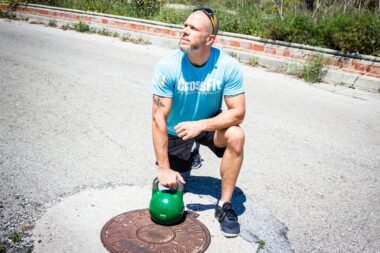
To perform kettlebell deadlifts, athletes should begin in a standing position with feet shoulder-width apart and the kettlebell placed between their feet. The lifter should hinge at the hips while keeping a neutral spine. Grip the kettlebell with both hands, drawing it closer to the body as the athlete lifts. It’s crucial to initiate the lift from the heels while actively engaging the core, which helps maintain stability. During the completion phase, the athlete should push through their heels and fully extend their hips and knees. Proper technique minimizes injury risk while maximizing performance.
Additionally, consistency and programming are vital when integrating kettlebell deadlifts into any athletic training routine. A suggested frequency may include performing deadlifts 2 to 3 times a week, allowing sufficient recovery time for muscle groups to develop and adapt. Varying the rep ranges can keep routines fresh—consider lighter weights with higher reps one day, then heavier weights with lower reps on another to enhance strength and endurance balance. Coupling kettlebell deadlifts with other resistance training can amplify results, ensuring that athletes progressively challenge themselves for optimal gains in jumping ability.
Benefits Beyond Strength
Notably, kettlebell deadlifts provide benefits beyond just strength enhancement, also promoting improved functional movement and injury prevention. By focusing on core engagement and maintaining proper lifting form, athletes develop better overall movement patterns. This leads to increased proprioception, or body awareness, during dynamic sports activities. As athletes grow increasingly aware of their body mechanics, potential injury risks may decrease, ensuring they are capable of jumping and landing safely. Therefore, kettlebell training cultivates foundational skills that contribute to long-term athletic longevity.
Lastly, mental skills play an important role in athletic performance, and kettlebell deadlifts can aid in the development of a focused mindset. This exercise promotes discipline and fosters a strong work ethic among athletes as they strive for improvement. Establishing a training routine centered around kettlebell lifts creates an environment where athletes develop self-confidence through skill mastery. As they witness progress in their strength and jumping ability, they undoubtedly become more motivated and invested in their athletic pursuits, ultimately leading to continued success in their respective sports.
This combination of physical benefits and mental fortitude makes kettlebell deadlifts a powerful tool for athletes. By incorporating this movement into their training regimen, athletes can experience multifaceted enhancements, leading to improved jumping ability and overall performance. It’s essential to emphasize the need for proper assessment of individual fitness levels prior to starting any new exercise routine. Ensuring a well-rounded approach to strength training will yield optimal results when focusing on improving athletic jumping performance through kettlebell interventions.