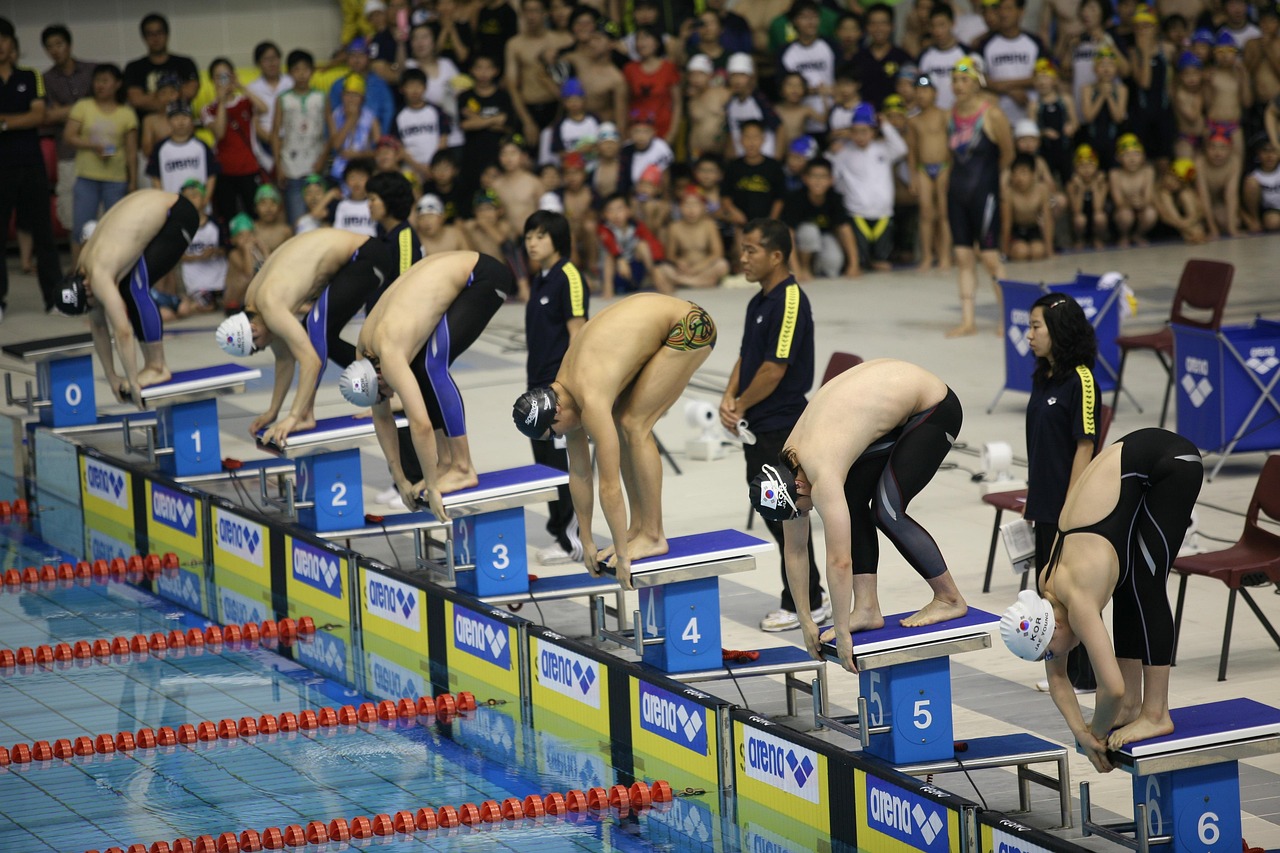

Improving Swim Starts and Turns for Competitive Edge
In the world of competitive swimming, mastering your starts and turns can make the difference between winning and losing. A fast start propels a swimmer ahead of the competition, while efficient turns allow for continuous momentum, minimizing time lost while transitioning between laps. Athletes must focus on two key aspects: technique and practice. A solid start technique includes diving into the water with minimal resistance, optimizing body position, and executing a streamlined entry. Swimmers should practice their explosive starts repeatedly, ensuring every movement is precise and timed perfectly. Similarly, turns can affect a swimmer’s overall performance significantly. Utilizing flip turns or open turns with precision is essential for maintaining speed. Swimmers need to ensure they flip efficiently, push off the wall, and streamline their bodies immediately. Coaches often recommend drills that emphasize swift transitions from swimming to turning and vice versa, which helps athletes acclimatize to speed variations. Furthermore, mental preparation and visualization techniques play a significant role in enhancing overall performance by increasing confidence and focus during these crucial moments in a race.
To achieve effective swim starts, it’s imperative to recognize the role of body positioning. A low center of gravity and an optimal grip on the starting block are vital components to an explosive launch. Sports scientists suggest that swimmers should hold their bodies in a slight forward lean, maximizing the energy transfer from their legs. Coaches advise on a ‘catch’ position for the arms, allowing swimmers to push off powerfully and propel themselves forward. Practicing explosive starts with a consistent board position can help refine these techniques. Additionally, utilizing a reaction time protocol can assist swimmers in achieving that necessary competitive edge. Specific drills, such as using starting blocks with varying heights, can also help athletes adjust their styles and enhance their adaptability to different pool conditions. Visualizing the start before stepping up can train the mind to anticipate the action. Essential training methods also include working on enhancing overall strength, targeting the core and leg muscles, crucial for quick bursts in the water. By concentrating on these aspects, swimmers can ensure they take their performance to new heights during competitions.
The Importance of Practice
Sustained practice is fundamental in mastering swimming starts and turns. Athletes must dedicate time to both components equally, recognizing that neglecting either can hinder performance. Each swim practice session should incorporate drills specifically tailored toward refining these techniques. A recommended drill to improve turns is to practice approach speeds and angles when reaching the wall. Swimmers should focus on maintaining their stroke rhythm right up to the wall, enabling a smooth transition to a flip turn or open turn. Coaches suggest setting up time trials and simulations during practices, allowing swimmers to experience the intensity and pressures of competitive racing. This method can help athletes to gain confidence and experience the dynamics of swimming starts and turns. Moreover, reviewing video footage can also provide essential insights into technique adjustments. Understanding what works and what doesn’t allows for focused improvement. Consistent feedback from coaches during these practices is crucial to achieving behavioral adjustments. By repeatedly practicing with intention, swimmers can significantly enhance their overall race times and develop that coveted competitive edge.
Swim starts are also about rhythm and timing, vital components that should not be overlooked. Each swimmer’s rhythm might vary, but synchronizing it with their movements can lead to more explosive starts. Practicing with a focus on timing can aid swimmers in finding their optimal launch pattern. It’s important to develop a personal routine on the blocks, enabling athletes to feel comfortable and in control. Using a buddy system for feedback, swimmers can track their own progress alongside peers. When one athlete takes a dive, the other can offer constructive criticism regarding entry angles and timing, reinforcing collective improvement. Additionally, using props such as resistance bands or a starting block robe can help swimmers develop muscle memory associated with explosive movements. Daily strength training assists in building explosiveness, further enriching the swimmer’s launch capabilities. Moreover, experimenting with different leg placements on the blocks can help athletes discover which postures bring them the utmost success. Consistency in practicing these varied elements will ultimately contribute to improved swim starts during races, allowing swimmers to gain an unbeatable edge over their competitors.
Enhancing Turn Techniques
Turns, a crucial part of competitive swimming, require the same dedication as starts, necessitating specific drills and techniques to perfect them. Efficient transitions, particularly flip turns, need to be practiced incessantly until they become instinctual for swimmers. Adopting techniques such as visualizing the wall can help athletes improve their approach speeds during turns. A cool, calculated approach when reaching the wall helps swimmers execute flips smoothly without losing momentum. Line drills can greatly help in improving turn timing; these drills simulate turn sequences without the actual wall. Swimmers should also pay particular attention to their underwater kick, as these kicks can provide powerful propulsion away from the wall. Underwater drills during practices can help swimmers strengthen their bodies and develop their flipped technique. Besides physical practice, mental rehearsal can lead to positive performance outcomes. Athletes can close their eyes and visualize each movement, reinforcing their muscle memory. Training sessions dedicated to improving turns, alongside regular feedback and video analysis from coaches, will ultimately lead to a heightened competitive edge for every swimmer.
Strength is another critical element in enhancing swimming performance, specifically during starts and turns. Engaging in weight training can develop the core and leg muscles, both essential for powerful launches and effective turns. Swimmers should complement their swim training with strength conditioning routines that focus on muscle endurance, flexibility, and explosiveness. Strategic workouts designed for legs will aid in explosive starts, while core exercises will enhance body stability during turns. Incorporating resistance bands into swim practices can help create more significant water resistance, leading to stronger pushes during starts and turns. Moreover, specific exercises, like squats and lunges, can help build the necessary leg strength. Swimmers can implement plyometric techniques to develop explosiveness dealing with strength and movement efficiency. Training creating muscle power enhances both swimming starts and turns significantly. Balance is equally essential, allowing swimmers to retain control during fast movements. By concentrating on strength conditioning alongside their swim training, athletes will better grasp their swimming performance in competitions. Implementing a comprehensive and consistent training program will undoubtedly result in a marked improvement in performance.
Conclusion
The combined mastery of swim starts and turns can yield transformative results in competitive swimming. Each swimmer’s journey involves refining their techniques through dedicated practice and intentional drills. By enhancing elements such as timing, body positioning, and physical strength, swimmers can significantly impact their race times. Emphasizing the importance of both components equally in training sessions is vital. Strength conditioning enhances performance, while mental rehearsals support confidence during competition. Coaches play a crucial role in providing guidance, introducing innovative drills, and offering constructive feedback. Athletes should remain adaptable and be willing to experiment with various techniques, leading to personal breakthroughs in performance. Creating a focused training plan that prioritizes turning and launching techniques helps build a solid foundation for success. Regularly incorporating these practices will not only strengthen individual performances but also instill a positive competitive spirit. The ultimate goal for any athlete is to find consistency and improvement in their swimming abilities, paving the way for a vibrant competitive career. By diligently focusing on these core components, swimmers can truly enhance their competitive edge, transforming their athletic aspirations into reality.
Ultimately, the synergy between effective swim starts and turns lays the groundwork for competitive success. Swimmers who diligently practice these elements are bound to experience improvements in their overall performance. The continuous quest for excellence in these fundamental aspects will boost confidence and elevate one’s stature as an athlete. Coaches are instrumental in guiding swimmers toward achieving their best potential, offering personalized techniques and encouragement. By embracing a holistic approach that combines technique, strength training, and mental readiness, athletes can excel in the pool. Regular reflections on progress, identifying areas needing improvement, and celebrating achievements as a whole enhances the swimmer’s journey. The outcome not only exhibits improvements in swimming skills but also fosters resilience and perseverance. As swimmers persist through challenges, they inevitably become better athletes, gearing up for personal or team triumphs. Implementing these practices in their training routine will ensure that swimmers don’t just meet their goals, but exceed them, making each swim start and turn a seamless part of their competitive journey.