
Assessing Balance and Stability in Gymnastics Through Biomechanics
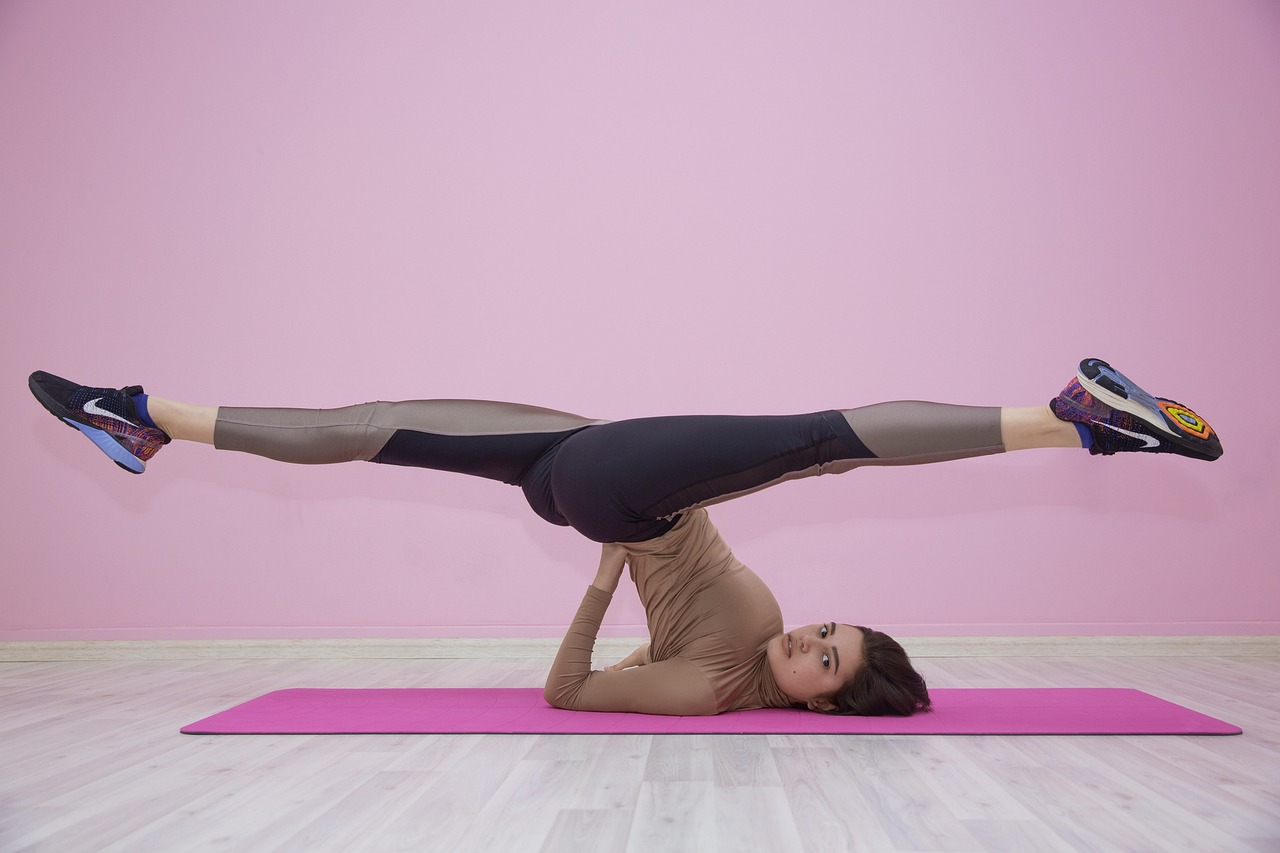
Gymnastics relies heavily on the performer’s balance and stability. These qualities are critical in executing routines successfully. A gymnast must maintain equilibrium during complex maneuvers, from flips to handstands. Biomechanics provides insights into how these movements can be optimized for performance. It involves studying motion, forces, and the effects they have on the body. Traditional training often overlooks the analytical perspective that biomechanics offers. Understanding the specific forces at play allows coaches to tailor training regimes appropriately. This knowledge can lead to improved performance and reduced injury risks. Coaches should integrate biomechanical assessments into training protocols. By using technology like motion analysis and force platforms, data can be collected and analyzed. This leads to specific feedback for gymnasts, highlighting areas needing improvement. Through these measures, athletes can enhance their balance, which translates into better overall performance. Pilates and yoga are often incorporated in routines, to improve core stability, an overlooked aspect of gymnastics. By focusing on body awareness and posture, gymnasts can achieve a higher level of balance and stability in their routines. Thus, biomechanics plays an indispensable role in gymnastics success.
Understanding balance and stability is fundamental for gymnasts aiming for peak performance. Athletes engage in various muscle groups, which play specific roles in controlling body posture. The core muscles, including the abdominal and back muscles, stabilize the trunk. Balance is not merely physical; it involves neuromuscular control as well. The brain processes sensory information from the eyes and inner ear to maintain equilibrium. Training programs aimed to enhance these skills should consider both physical and cognitive aspects. By employing drills that focus on proprioception, athletes can improve their body awareness. Balance training can include exercises on unstable surfaces, which challenge stability and improve neuromuscular responses. Furthermore, conditioning exercises specific to gymnastics routines can enhance joint stability. Strength training targeting the lower body also plays a crucial role in maintaining balance during performance. Using bodyweight exercises alongside resistance training can develop functional strength. In addition, flexibility should not be neglected, as it works hand-in-hand with strength to support balance. Each gymnast is unique, so assessments should be tailored to individual strengths and weaknesses. Coaches must adapt their approach to ensure gymnasts achieve optimal performance levels.
Technical Analysis of Gymnastic Movements
The technical aspects of gymnastic routines can be evaluated through detailed biomechanical analysis. This involves breaking down each movement into its fundamental components. Scientific principles can assess the mechanics behind a series of actions, such as jumps and turns. Video analysis serves as a vital tool in this field, allowing for frame-by-frame dissection of performances. Additionally, force platforms measure the ground reaction forces, indicating how the body interacts with the environment. These analyses reveal how different body segments coordinate to maintain balance during execution. For instance, rotations require specific timing to ensure proper landing, which is vital for stability. Coaches can extract data from these analyses to improve training sessions. Data-driven approaches allow coaches and athletes to pinpoint specific skills in need of enhancement. Enhanced biomechanical understanding leads to better performance outcomes, emphasizing the importance of research in sports. Moreover, persistence with this analytical approach cultivates an environment of continuous improvement. This journey leads to not just technical skill, but also increased confidence for the athletes. Consequently, enhancing biomechanics leads to optimal performance in gymnastics.
Collaboration between sports scientists and coaches is key to improving athletes’ balance and stability. Joint efforts can lead to tailored training programs that address individual needs. Assessments focusing on both skills and biomechanics create a comprehensive understanding. This synergy encourages ongoing education for coaches. Workshops and seminars focusing on biomechanics ensure that new findings reach a wider audience. Traditional training methodologies must evolve to incorporate scientific insights. Furthermore, implementing educational frameworks can enhance communication between athletes and coaches regarding biomechanics. Coaches must not only understand the techniques but also how to convey this in practical scenarios. Bridging the gap between theory and practice can lead to superior athletic performance. Next, frequent assessments can help track progress and identify areas needing adjustment. Regular feedback ensures that variations in balancing skills are addressed promptly. These measures lead to sustained development and reduced risks of injuries. Little improvements can compound over time, leading to significant advancements in gymnasts’ capabilities. Therefore, fostering a collaborative environment between scientists and practitioners remains essential for the advancement of gymnastics. This cooperative route ultimately influences athletes’ success within competitive scenarios.
The Role of Technology in Assessing Performance
Modern technology plays an increasingly significant role in gymnastics biomechanical assessments. Motion capture systems facilitate the detailed analysis of body movements, allowing for high-precision measurements. These systems provide immediate feedback, enabling athletes to make real-time adjustments. Additionally, wearable technology, such as accelerometers and gyroscopes, monitors movement patterns continuously. Such data aids in understanding how gymnasts engage their muscles during routines. The implementation of video analysis software enhances the learning process further. By allowing gymnasts to visualize their performances, they can identify discrepancies between their execution and the ideal technique. This methodological approach offers a combination of qualitative and quantitative data, leading to well-rounded training strategies. Furthermore, digital coaching platforms can streamline communication between coaches and gymnasts. By recording and analyzing past performances, trends can be established, revealing potential areas for improvement. Young athletes can benefit greatly from technology’s ability to provide personalized feedback. As gymnasts become increasingly reactive to their performance data, they can adapt their training accordingly. Therefore, integrating technology into biomechanical assessments shapes the future of gymnastics training and overall athletic performance.
In conclusion, assessing balance and stability through biomechanical methods offers profound advantages for gymnasts. The integration of scientific analysis with practical application results in enhanced training outcomes. By understanding biomechanical principles, athletes can consciously develop their balancing skills. Rigorous training that combines strength, flexibility, and stability creates a formidable foundation for gymnastics. Moreover, the collaborative effort between sports scientists and coaches ensures that innovative training methods are utilized effectively. This synergy fosters an environment of continuous progress and improvement. As performance analysis technology advances, data becomes increasingly accessible to athletes and coaches alike. By utilizing motion analysis, wearable technology, and video feedback, informed decisions regarding training can be made. It is crucial for gymnasts to embrace these advancements in their training regimen. This proactive approach leads to better performance outcomes and a reduction in injuries as techniques are refined over time. In this era, where sports science intersects with athletic performance, the ongoing evaluation of techniques is imperative. Ultimately, enhancing balance and stability through biomechanics equips gymnasts with the tools necessary to excel in their sport and achieve their goals.
Future research can further explore how advancements in biomechanics can transform gymnastics training. With continuous innovations, the understanding of biomechanics will deepen. Emerging technologies promise to provide even more incredible insights into performance assessment. Advanced materials and tools will contribute to developing specific training aids for gymnasts. Additionally, creating interactive training environments that simulate competitive conditions can drive progress. Aligning training with today’s cutting-edge technologies allows athletes to prepare thoroughly for competitions. As the field evolves, greater emphasis must be placed on interdisciplinary collaboration. Integrating knowledge from various areas—such as psychology and biomechanics—will optimize training methodologies. Comprehensive athlete support systems can lead to improved mental and physical performance. Furthermore, educating the gymnastics community about biomechanical principles will empower young athletes. By fostering this awareness, the next generation will be better equipped to face challenges in their training. Sustaining a culture of inquiry will foster innovation in gymnastics. As a result, we will witness more dynamic performances and revolutionary training practices in the years to come. The progression of gymnastics continues to be thrilling and inspiring, leading to inspiring future athletes.