
Parental Controls and Monitoring in Kids’ Fitness Devices
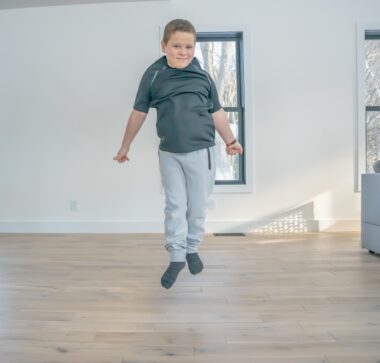
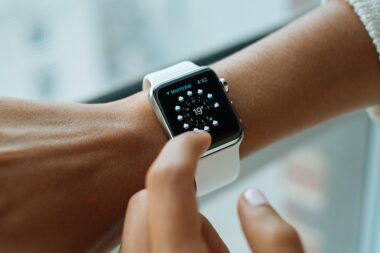
In today’s digital age, fitness wearables for kids have become increasingly popular, providing parents with vital tools to encourage physical activity and monitor health. These devices not only help kids track their steps, heart rate, and sleep patterns but also allow parents to ensure their children are using them safely. With the rise of technology, various parental control features have emerged in kids’ fitness devices. These features empower parents to set restrictive parameters for usage, ensuring their children are not exposed to inappropriate content or distractions during their activity. Some wearables allow limited access to friends or social platforms, emphasizing safety while fostering social interactions among peers. Through customizable notifications, insights, and activity logs, parents can receive information on their child’s behavior, level of physical exertion, and even alert them when the device is removed unexpectedly. This data promotes conversations about physical health and wellness within families. Thus, parents can play an active role in their child’s fitness journey while leveraging technology to enhance motivation and accountability, making fitness fun and engaging for the younger generation.
Moreover, the integration of GPS technology in kids’ fitness wearables has revolutionized parental oversight. Parents can track their child’s location in real-time, providing peace of mind during outdoor activities or school events. Such features help mitigate the risks associated with letting children explore the world independently. Alongside GPS tracking, many devices come equipped with alert systems, allowing parents to set geofencing boundaries. This feature sends notifications when a child crosses set areas, ensuring they stay within safe zones. Furthermore, some wearables also enable two-way communication, allowing kids to instantly reach their parents if they feel uncomfortable or require assistance. This additional layer of safety helps bridge the gap between independence and security. Besides improving safety measures, the motivational components integrated into wearable devices also cater to the competitive spirit of children. Many devices incorporate games and reward systems that encourage kids to meet their fitness goals, enhancing their engagement with physical activity. From virtual badges to family challenges, these rewards further encourage family involvement, promoting a holistic approach to fitness and wellness.
Setting Up and Customizing Parental Controls
To maximize the benefits of kids’ fitness wearables, parents must effectively set up and customize the parental control features available. Initially, it is crucial for parents to thoroughly read the user manual to understand the device’s functionalities. The setup process typically includes linking the wearable device to a corresponding mobile application designated for parents. This app allows for straightforward management of all controls. Within the app, parents can tailor settings according to their child’s age and unique requirements. For example, they may opt to limit notifications concerning social media interactions or adjust fitness challenge settings. Establishing daily activity goals can foster healthy competition within the family while ensuring that kids engage in adequate physical movement. Furthermore, parents should regularly communicate with their children regarding the purpose of these controls. Keeping an open dialogue establishes trust and understanding, ensuring that kids feel supported rather than restricted. Regular check-ins also provide parents with opportunities to discuss the importance of physical fitness, ultimately transforming fitness wearables into tools for effective family engagement.
In addition to monitoring physical activity and safety, kids’ fitness devices can help track emotional well-being. Many advanced wearables come equipped with features like mood tracking or relaxation exercises, enabling parents to assess how their child emotionally reacts to physical activities. Understanding the correlation between exercise and emotional health can nurture a happier, healthier lifestyle. Fostering emotional intelligence from a young age is crucial in today’s fast-paced world. By integrating fitness and emotional self-care, kids’ fitness wearables become comprehensive health management tools. Moreover, the gathering of analytical data over time aids in identifying patterns in both physical and emotional responses to various activities. This information can then be leveraged for better communication and strategies that support their development. Parents may find that after a period of analysis, trends emerge regarding when their child feels happiest or most energetic. Through constructive conversations based on these insights, parents can guide their children toward healthier choices in their daily routines, ultimately leading to improved overall well-being.
Importance of Communication with Children
The integration of fitness technology into children’s lives simplifies various aspects of their journey toward stay healthy. Effective communication between parents and children regarding fitness wearables fosters understanding and develops accountability. Making fitness a cool, engaging topic eliminates resistance from kids, making them more receptive to monitoring discussions. By involving children in conversations about their fitness data, parents empower them to set their own goals based on the feedback received. This shared ownership encourages kids to take responsibility for their health. Crafts like cooperative planning of family activities can be woven into the routine, knitting stronger family bonds while achieving fitness objectives. A child’s comfort with sharing their experiences can be significantly enhanced through consistent communication. As parents openly discuss their findings on activity patterns and emotional responses, children feel validated and understood. Furthermore, this ongoing dialogue encourages children to express their thoughts and feelings about using the device. Parents should be attentive and responsive when discussing wearables to ensure children learn how to self-regulate their fitness lifestyle.
Aside from physical activity and data monitoring, addressing kids’ privacy while using fitness devices is of utmost importance. Parents need to balance the benefits of tracking and understanding their child’s activity against respecting their need for autonomy. Many fitness devices come with privacy settings designed to offer levels of data security. Parents should explore these settings and choose the best options that align with their family’s values. For instance, restricting data sharing with third-party apps or social networks can serve as a protective measure. Discussions around data privacy could further strengthen children’s understanding of their digital footprint. When children recognize the significance of safeguarding personal information, it builds their awareness and prepares them for navigating technology responsibly. Parents should consistently reiterate these lessons to instill prudent digital habits. Also, reviewing privacy settings at regular intervals ensures that they remain appropriate as children grow and their needs evolve, facilitating transitions toward greater independence while maintaining safeguards.
Conclusion
In summary, kids’ fitness devices offer an invaluable blend of monitoring features and rewards designed to promote health and wellness, all while integrating parental controls. These controls not only help parents track physical activity, but they also provide tools to foster emotional understanding and communication within families. Through personalized setups, parents can manage usage limitations, ensuring their children are nurtured both physically and emotionally. Additionally, safety enhancements, such as GPS tracking and two-way communication features, provide parents with peace of mind as kids engage in activities. Establishing a trust-based relationship where parents and children can express their experiences leads to better health outcomes in the long term. Ultimately, parental engagement through fitness technology offers the potential to raise healthier, happier children who follow an active lifestyle. As these devices evolve, they will continue to pave the path for healthier generations, transforming how families approach fitness and wellness together.
Parents remain the pivotal influencers in their children’s lives, particularly regarding healthy habits like fitness and well-being. Incorporating tools like kids’ fitness wearables requires reflection on their implications for children and the degree of involvement parents aim for in ensuring safety and engagement. Achieving a balance that fosters independence while providing oversight can nurture a child’s motivation toward fitness. By prioritizing thoughtful discussions about device management and awareness of limitations, families may find opportunities to grow closer. All in all, kids’ fitness wearables serve not only as tools for tracking physical activity but also as vital instruments for enriching family dynamics and encouraging life-long fitness habits.