
Top Training Drills to Improve Your Alpine Skiing Performance
Alpine skiing requires not just skill but also a dedicated training regimen to enhance performance effectively. One of the key drills every skier should incorporate is the “Slalom Drill.” This drill focuses on turning and balance; it helps skiers master quick changes in direction. Set up gates on a gentle slope and practice navigating them. This will improve agility and coordination while carving turns. Another essential drill is the “Edge Control Drill.” For this exercise, find a run that allows for colored cones or markers and practice engaging your edges while maintaining speed. It’s vital to consistently work on edging techniques to manage various snow conditions efficiently. Strength training is also crucial in preparation for skiing. Incorporate exercises such as squats and lunges, which target lower body strength, crucial for shock absorption during runs. Another beneficial exercise for overall fitness is the “Box Jump,” which improves explosive power and leg strength. Each of these drills and exercises can significantly contribute to a skier’s competence and confidence on the slopes for superior performance.
Building Endurance and Stamina
In addition to strength and agility drills, endurance plays a pivotal role in alpine skiing success. Endurance can be developed through longer cardio sessions like running, cycling, or swimming. Aim for long-distance workouts that last between 45 to 90 minutes, as these will build cardiovascular endurance necessary for all-day skiing. One effective workout is interval training, which involves alternating between high-intensity bursts of activity and rest. This type of training mimics the quick bursts of energy needed during a ski run. Incorporate it weekly for optimal results. Combine this with ski-specific exercises that improve stamina like hill sprints or plyometric push-ups. Focus on building stamina through these exercises while ensuring adequate rest and recovery, which is crucial for progress. Don’t forget to hydrate and maintain a balanced diet, as nutrition substantially influences endurance levels. Fuel your body with complex carbohydrates, lean proteins, and healthy fats to sustain energy levels throughout your training. Balancing endurance training with strength and technique will lead to improved performance in alpine competitions and enhanced enjoyment on the slopes.
Technique Enhancement Strategies
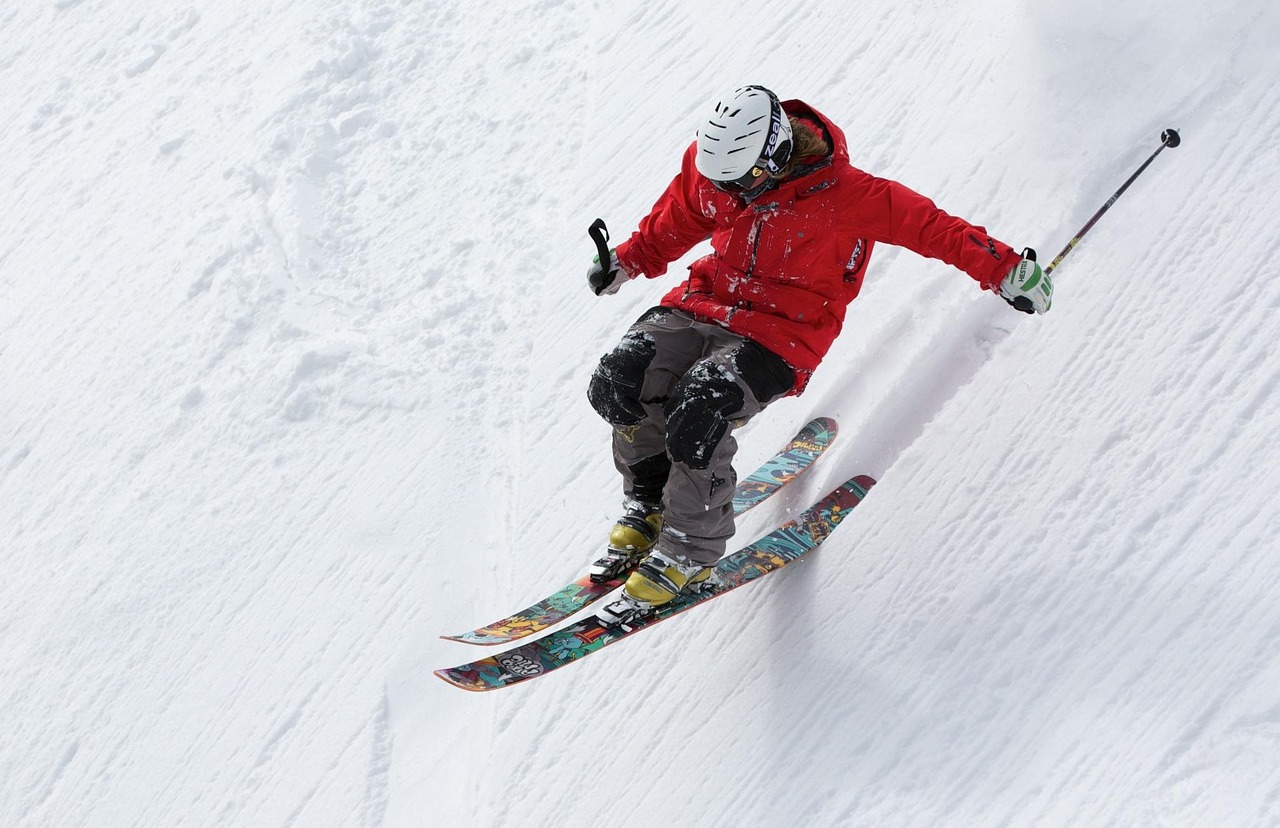
Improving skiing technique is essential for enhancing overall performance. Over time, advanced drills can provide the insight and adjustments needed to refine your skills. A commonly employed drill is the “Carved Turns” exercise which emphasizes smooth transition between turns. To execute this, focus on maintaining a centered position, adjusting your body weight correctly. Record a video during practice to analyze your movements – this visual feedback is invaluable. The “One-Ski Balance Drill” technique is also effective, asking skiers to perform runs on one ski. This exercise develops balance and core strength while allowing skiers to feel the shift in their body weight. Consider paying special attention to your pole usage during your runs. Effective pole planting can significantly improve your balance and timing throughout your turns. It’s essential to work on synchronization between ski movements and pole dynamics. Lastly, practice maintaining a lower center of gravity as you navigate turns to enhance stability. These targeted techniques, combined with consistent feedback and adjustments, will ultimately lead to notable improvements in your skiing performance.
Proper mental preparation is another critical factor in achieving peak performance on the slopes. Visualization techniques are immensely valuable to elite athletes. Spend time imagining each aspect of your ski runs, from the turns to the finish line, building confidence and muscle memory. Another beneficial practice is setting measurable goals for each session. A concrete aim, whether it be achieving a specific speed or mastering a new technique, can provide immense motivation. Consider maintaining a training journal to document progress over time, noting areas of improvement or challenges faced. This reflection allows skiers to track their evolution effectively. Additionally, focusing on breathing techniques can help manage racing nerves and maintain composure under pressure. Practice mindfulness exercises to foster mental clarity during intense situations. Learning relaxation techniques can be handy, especially for competition days. Relaxed muscles and a calm mindset directly correlate to performance levels. Integrating these mental strategies into your training can create a holistic athlete more prepared to tackle the challenges of competitive skiing.
Incorporating Flexibility Training
Flexibility is often overlooked but is vital for maximizing alpine skiing performance and minimizing the risk of injury. Engage in a regular stretching routine to enhance flexibility; pay attention to muscle groups actively used in skiing. Focus on dynamic stretching before workouts, such as leg swings or walking lunges, to warm the muscles up. Post-training, static stretching aids muscle recovery and gradually increases overall flexibility. Yoga is another excellent way to improve flexibility while also promoting balance and core strength. Many skiers find that incorporating at least one yoga session a week significantly enhances their ski performance. Consider specific stretches for the hips, hamstrings, and calves. Integrating foam rolling into your routine can also alleviate muscle soreness and improve muscle elasticity. Concentrate on areas prone to tightness and tension to enhance recovery. Additionally, consider seeking professional advice or classes focusing on sports-specific stretching techniques. Tailor your regimen accordingly, aiming for a balanced approach that incorporates strength, endurance, and flexibility training. This comprehensive routine directly contributes to an athlete’s success in alpine skiing.
Another important aspect to consider when training for alpine skiing is the significance of simulation training. Consider utilizing ski simulators or dry slopes, which offer realistic environments to practice technique. Although different from snow, these alternatives can help maintain skills throughout off-seasons. There are also specific training programs designed to improve tactical skills through visualization techniques and drills. This can be especially useful for refining race tactics. Another way to stay engaged is by participating in roller skiing, which closely mimics the skiing motion, adding environmental variety to training while improving agility and balance. Cross-training is also effective; engaging in sports such as snowboarding can help develop control and balance through a different sport’s lens. Incorporating these methods ensures that training does not become monotonous, and athletes are constantly challenged. Varied training will also build a robust foundational skill set. Each method contributes to a skier’s adaptability and versatility on diverse terrains, fostering overall growth in one’s skiing trajectory and experience as a complete athlete.
Building a Support System
No athlete is an island; thus, surrounding oneself with a supportive training environment can immensely contribute to performance improvements. Seek out experienced coaches who can provide tailored instruction and feedback to optimize training regimens. Engaging in group training sessions can also foster camaraderie and encourage competition among peers. This environment helps athletes push their limits while sharing knowledge and techniques. Utilizing social media can aid in connecting with fellow skiing enthusiasts or professionals. Online communities offer platforms for sharing experiences, tips, and encouragement, leading to a diverse skill set. Attending skiing workshops or clinics can further expand on-the-slope knowledge and techniques while interacting with like-minded individuals. Remember to approach feedback with an open mind; constructive criticism is unconditional when directed toward improving performance. It’s valuable to have training partners who will give honest assessments of your technique. Creating this well-rounded support network ensures that athletes remain motivated, receive guidance whenever needed, and foster relationships that cultivate improvement in skiing and overall enjoyment.
Ultimately, achieving exceptional performance in alpine skiing takes time, dedication, and a multidimensional training approach. Committing to a routine that incorporates strength, endurance, technique improvement, flexibility, mental training, and community support not only leads to enhanced performance but also promotes a genuine love for the sport. As you work toward your goals, embrace the journey, celebrate small victories, and maintain motivation, even during challenging training sessions. Continuous growth in skills and fitness levels is the ultimate aim as each training session lays the groundwork for future successes. Do not hesitate to experiment with various training techniques to find what resonates with you. Keep reminding yourself of the joy that skiing brings. As you tackle each slope or compete among peers, recognize that every effort serves to enrich your skiing experience. Embrace the thrill of progress and the resilience instilled through dedication. Therefore, get out there, make the most of your training, and witness firsthand how these targeted drills can propel you toward becoming truly exceptional in alpine skiing.