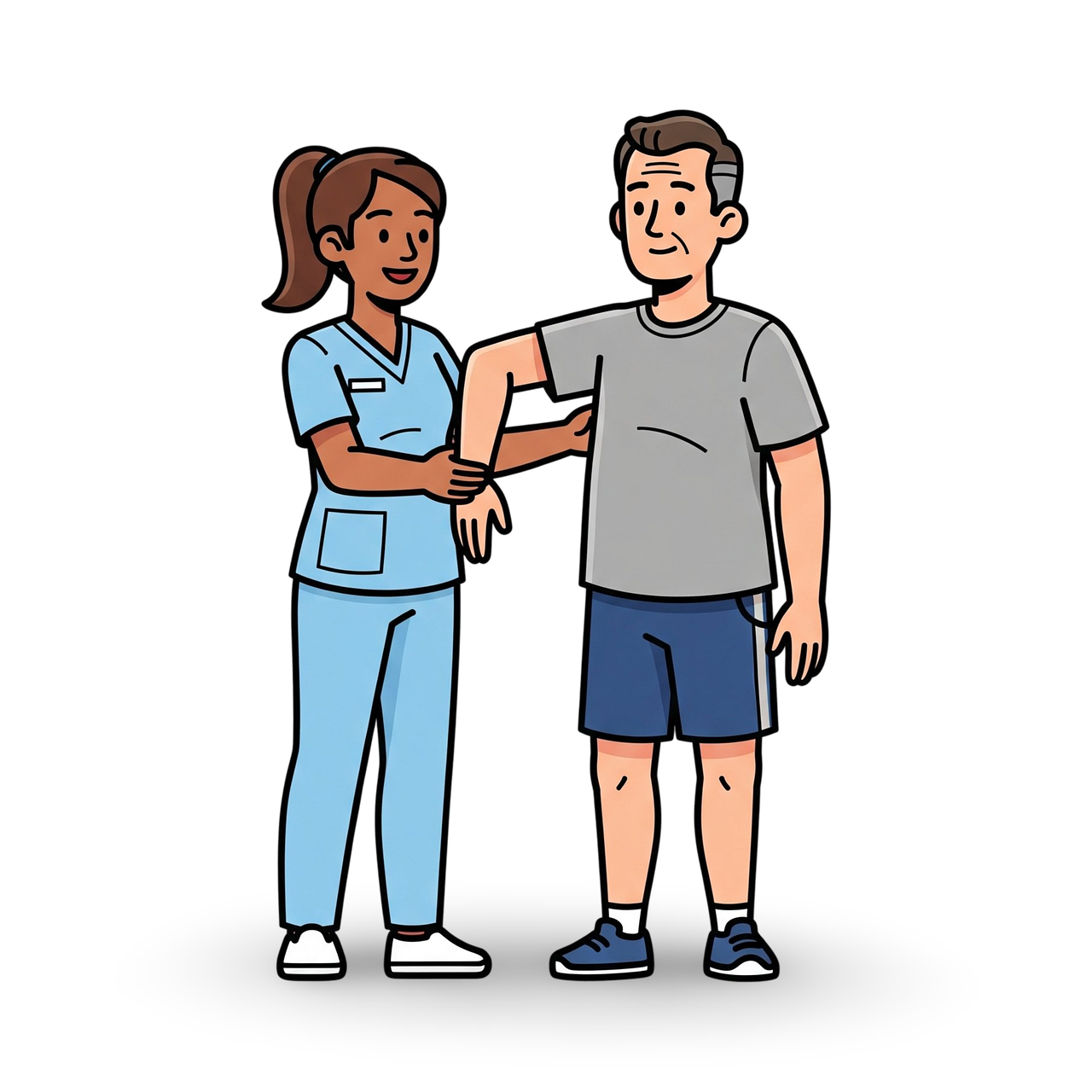

Rebuild Strength After Injury with These Resistance Band Workouts
Getting back into shape after an injury can be a daunting journey, but resistance bands offer an ideal way to rebuild strength safely and effectively. These flexible tools are excellent for gradual progression, ensuring you don’t push your injured body too hard. By using resistance bands, you can engage in various low-impact rehabilitation workouts that target specific muscle groups. These exercises allow you to strengthen muscles around the injury site, improving mobility and preventing future injuries. Resistance bands come in various resistance levels, which is crucial for tailoring workouts to your individual strength. Always consult with a healthcare professional before beginning any new workout routine, especially after an injury. Additionally, consistency is key; aim to incorporate resistance band workouts into your rehabilitation plan several times a week. Over time, you’ll notice improvements in strength, flexibility, and overall functionality. Use bands with handles or loops, depending on what is comfortable for you. Exercises such as bicep curls, leg extensions, and lateral raises can be performed with resistance bands to promote recovery and strengthen the body.
Benefits of Resistance Bands in Rehabilitation
Resistance bands provide numerous benefits in rehabilitation settings, making them an excellent choice for individuals recovering from injuries. First, they are lightweight and portable, allowing for easy transportation. This portability means you can perform exercises in various settings, whether at home or in a physical therapy clinic. Second, bands provide continuous resistance throughout each movement, enhancing muscle engagement and promoting strength building. This feature is particularly important as it helps maintain proper form and reduces the risk of re-injury. Additionally, resistance bands can target specific muscle groups, allowing for focused rehabilitation. For instance, if you’ve injured your shoulder, using bands can help you perform exercises that gently rehabilitate the joint while building strength in the surrounding muscles. Furthermore, bands can be adjusted for resistance levels, making them suitable for users of all fitness levels, from beginners to advanced athletes. Lastly, band workouts often incorporate multiple joints and muscle groups simultaneously, which enhances coordination and functional strength, making everyday activities easier and safer as you recover.
The key to effective rehabilitation exercises is to start slowly and gradually increase resistance as your body adapts. Begin with lighter bands to master your form during each exercise. Once you feel comfortable and capable, you can gradually progress to heavier bands. Focusing on proper technique is critical in this phase to maximize benefits while minimizing the risk of further injury. The beauty of resistance bands lies in their versatility; they can be used in a multitude of ways. For example, workouts can be performed seated, standing, or even lying down, depending on your comfort level and the specific exercises you choose. Always remember to listen to your body and adjust workouts according to how you feel physically. Staying hydrated and incorporating adequate rest days into your routine will also aid in your recovery. It is essential to celebrate small achievements throughout your rehabilitation journey. Setting short-term goals can enhance motivation and provide a sense of accomplishment as you progress. As you build your strength back, you’ll feel more confident in your abilities during rehabilitation exercises.
Popular Resistance Band Exercises for Rehabilitation
Several resistance band exercises are highly effective in rehabilitation settings. One popular option is the seated row, which targets the back muscles while providing support. To perform it, sit on the ground with your legs extended. Loop the band around your feet and pull it towards your waist while squeezing your shoulder blades together. Another effective exercise is the standing leg abduction, which strengthens the hip abductors and glutes. You can perform this by standing with the band tied around your ankles, and lifting one leg to the side, keeping the other leg stable. The bicep curl is a classic exercise also made simpler with bands. Stand on the band with both feet and curl your hands towards your shoulders while keeping your elbows close to your torso. Finally, the chest press can be beneficial for upper body strength. Anchor the band behind you, hold the ends in each hand, and press them forward. All these exercises can easily be adapted based on your strength levels and specific rehabilitation needs.
Incorporating mobility and flexibility exercises into your routine is equally important during rehabilitation. Bands can help facilitate these movements by providing resistance while also enabling a full range of motion. For instance, a resistance band can help you maintain shoulder flexibility with external rotation exercises. To perform this, keep your elbow bent at 90 degrees against your body, holding the band in one hand while pulling horizontally outwards. Stretching exercises are also essential for alleviating tightness and improving flexibility. Exercises such as overhead tricep stretches can be enhanced using a band. Hold the band overhead with both arms extended and gently pull down with one hand, inducing a stretch throughout the tricep and shoulder areas. Maintaining flexibility supports your overall rehabilitation and helps prevent further injuries. As you progress and feel more comfortable with the exercises, gradually increase the number of repetitions and resistance used. Don’t rush the process; allow your body to adapt naturally. Consulting with a physical therapist can provide guidance tailored to your specific rehabilitation goals.
How to Make Resistance Band Workouts Effective
To get the most out of your resistance band workouts during rehabilitation, it is crucial to remain focused on form and control. Self-awareness during exercises ensures that you engage the target muscles while avoiding unnecessary strain on the injury. Slow controlled movements, especially during the eccentric phase, can help you develop muscle strength effectively. Moreover, incorporating breathing techniques is essential; exhale on effort and inhale as you relax, creating a rhythm for each movement. Creating a workout schedule helps maintain enthusiasm and consistency; ensure you vary exercises to keep things interesting. Mixing in different types of resistance bands and workouts can also prevent boredom while challenging your muscles. Tracking your progress is another powerful motivational tool. Keeping a workout journal will allow you to note improvements in strength as well as how your body feels during and after workouts. Lastly, setting realistic goals tailored to your specific recovery journey creates a path for success. Remember that rehabilitation takes time and patience, so celebrate small victories along the way as these contribute to your overall progress.
In conclusion, resistance bands serve as an exceptional tool for rehabilitation, allowing for versatile and effective workouts tailored to individual needs. Their portable nature, variable resistance levels, and ability to target specific muscle groups make them invaluable for anyone recovering from an injury. By integrating resistance band workouts into your rehabilitation plan, you can enhance strength, flexibility, and coordination while minimizing the risk of re-injury. Starting with basic exercises before progressing to more complex movements is essential for ensuring a successful recovery. Additionally, flexibility and mobility training should not be overlooked, as they are vital components of an effective rehabilitation program. Engaging in consistent workouts and maintaining a positive attitude towards your rehabilitation journey can lead to successful outcomes. Remember to listen to your body and consult with healthcare professionals as needed. Tracking your progress and celebrating achievements, no matter how small, can boost motivation and maintain your commitment. By staying patient and focused, you will be well on your way to regaining strength and returning to your previous fitness levels. Resistance bands can indeed play a critical role in helping you rebuild strength after an injury.