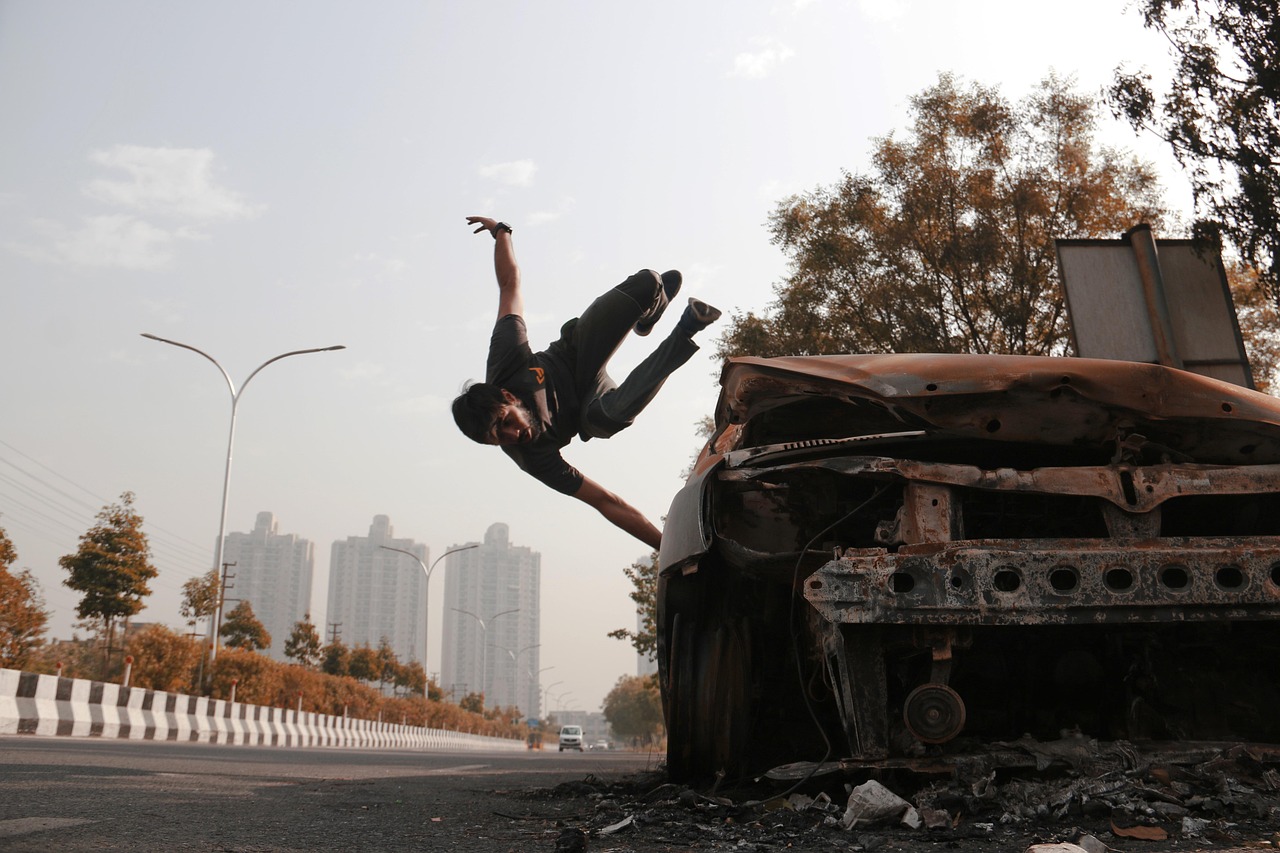

Cross-Training Benefits for Parkour
Cross-training is an essential practice for enhancing parkour endurance. Engaging in different workouts not only strengthens your body but also improves your overall agility. A variety of cross-training methods can enhance your performance, ensuring you can tackle any challenge during your parkour sessions. By incorporating exercises such as running, swimming, or weight training into your schedule, you can build stamina and resilience. These workouts help develop muscle groups that may not be utilized during standard parkour activities. You can also cultivate flexibility through yoga or Pilates, ensuring your movements remain fluid. It’s beneficial to assess your current skill level and set achievable fitness goals. Use interval training techniques for increased endurance, incorporating short bursts of high-intensity effort. You will feel the difference in your energy levels during your parkour practice. Furthermore, cross-training reduces injury risks by balancing muscle development and preventing fatigue. Always keep in mind the importance of rest and nutrition while training. Combining these methods can lead to long-lasting improvements in your parkour capabilities. Prepare to amaze yourself with enhanced skills on the parkour course as you embrace these training routines into your lifestyle.
Effective Endurance Workouts
Various endurance workouts can significantly aid parkour practitioners looking to improve their skills. One effective method is to engage in circuit training, which encompasses strength and cardiovascular exercises. This style not only elevates your heart rate but also enhances muscular endurance. Another great option is to incorporate running drills into your routine. Long-distance running builds foundational stamina, whereas sprint intervals improve speed and explosive power crucial for parkour movements. Swimming is an excellent low-impact alternative that works every muscle group while increasing lung capacity. You might also consider sessions on a stationary bike or elliptical machine. HIIT (High-Intensity Interval Training) is another promising workout, pushing your limits while developing fast-twitch muscle fibers. To maintain interest and motivation, mix and match various approaches. Include plyometric exercises like box jumps or burpees, which build explosive strength and agility. Always make sure to focus on your form while executing these workouts for maximum effectiveness. Create a diverse weekly training schedule that allows sufficient recovery time. Over time, you will notice substantial progress in your overall endurance, translating into improved performance during your parkour endeavors. Keep challenging yourself with new strategies to maintain your growth and excitement.
Building strength through cross-training is an indispensable component of parkour preparation. A well-rounded training program must emphasize functional strength through resistance training. Exercises like squats, deadlifts, and pull-ups equip your body with crucial power for executing vaults and jumps. Incorporate variations, such as single-leg squats, to reinforce stability and prevent injuries. Plyometric workouts can push your strength training even further, focusing on explosive movements. Think of exercises like tuck jumps and clapping push-ups, which will yield impressive results. Additionally, core strength is very critical for parkour. Engage in planks, Russian twists, and V-ups to develop a solid core. This enhances your balance, coordination, and stability in various parkour maneuvers. Furthermore, consider using resistance bands or kettlebells to add complexity and challenge to your workouts. Strengthening the muscles surrounding your joints promotes better flexibility and optimal movement. As your cross-training progresses, you will develop a stronger and more agile body capable of executing complex parkour techniques seamlessly. Remember always to incorporate a warm-up and cooldown routine, ensuring your body remains ready for the demands of high-intensity movements. Your dedication to strength will pay off in extraordinary leaps and bounds in your parkour journey.
Flexibility training is an integral element of cross-training for parkour practitioners. Enhanced flexibility allows you to perform more complex movements seamlessly, minimizing the risk of injury during parkour practice. To become more flexible, integrate yoga and dynamic stretching routine into your training schedule. Yoga can help improve your balance, strength, and overall mental focus while also emphasizing controlled breathing. Opt for poses like Downward Dog, Pigeon Pose, and Warrior Stretch to target essential muscle groups. Emphasizing hips, hamstrings, and back flexibility will significantly increase your ability to maneuver through parkour challenges. You may also want to explore the benefits of foam rolling before or after workouts to release tight muscles and improve circulation. Dynamic stretches, like leg swings and walking lunges, prime your muscles for explosive movements, ensuring your body is ready for action. Allocate time both before and following your main workouts to focus on flexibility routines. Consistency is key, so strive to include flexibility training 2-3 times each week. As your flexibility improves, discover how your parkour skills become more fluid and controlled, allowing you to tackle various obstacles with newfound confidence and grace. It is a worthwhile investment for every aspiring parkour athlete.
Nutrition plays a crucial role in supporting your cross-training efforts for parkour. A well-balanced diet will fuel your workouts and foster improvement in endurance and strength. Focus on consuming nutrient-dense foods, including proteins, carbohydrates, and healthy fats to maximize your potential. Lean meats, eggs, legumes, and dairy provide essential protein, aiding muscle development and repair after intense workouts. Carbohydrates are key energizers, fueling your body during training. Opt for whole foods like brown rice, quinoa, and sweet potatoes to keep your energy levels prolonged. Include healthy fats found in avocados, nuts, and olive oils, ensuring your body absorbs vital vitamins and nutrients effectively. Hydration is another critical factor that can directly affect your performance. Aim to drink plenty of water throughout the day and during workouts to stave off dehydration. Additionally, consider post-workout meals that incorporate a mix of protein and carbohydrates to facilitate recovery. Replenishing your body after intense training is essential in keeping your energy levels up. Pay attention to portion sizes and listen to your body’s hunger cues. A balanced and mindful approach will not only boost your parkour endurance but also elevate your overall well-being.
Rest and recovery are critical components of any well-rounded training program for parkour enthusiasts. Engaging in intense cross-training without adequate rest may lead to burnout or injury. Schedule regular rest days into your workout routine to allow your muscles and nervous system time to recuperate. Quality sleep is fundamental for optimal recovery; aim for 7-9 hours per night to promote muscle repair and hormone balance. Consider incorporating active recovery days, featuring low-impact activities like walking, swimming, or light yoga. These sessions will encourage blood flow and help alleviate muscle soreness. Stretching and foam rolling can further enhance recovery by releasing tightness and promoting flexibility. Listen to your body: if you’re consistently feeling fatigued or experiencing aches, adjust your training accordingly. Longer recovery periods might be necessary after particularly demanding workouts. Also, be aware of signs of overtraining, such as persistent soreness or decreased performance. Adopting a holistic approach that values rest and recovery will enhance your overall training experience. By honoring your body’s signals, you will be better prepared for the challenges parkour presents and continue improving and progressing in your fitness journey.
The integration of cross-training into your parkour routine fosters a well-rounded approach to fitness. Continually seek ways to improve your performance, challenge your limits, and engage different muscle groups. Remember, the journey towards mastering parkour involves consistent effort, patience, and a willingness to adapt and refine your training techniques. Keep a training log to track your workouts and note your progress, allowing you to stay motivated. As you incorporate exercises and dedicate time to cross-training, remain committed to your goals. Finding the right balance between practice, strength training, endurance workouts, flexibility, and recovery will yield substantial benefits. Surround yourself with a supportive community, whether through classes or local parkour groups. Engaging with others who share your passion will keep you motivated and provide valuable insights into your training. Share experiences, learn together, and celebrate accomplishments. Remember, the skills required for parkour are not built overnight; embrace the process and invest in your growth. By prioritizing cross-training, you are taking significant steps toward advancing your parkour abilities and achieving your personal fitness aspirations. Your journey is unique, and every effort contributes to the path ahead, so stay focused and keep pushing forward.