
How to Build Core Stability to Protect Against Injury
The importance of core stability in preventing sports injuries cannot be overstated. A stable core acts as a foundation for all physical movements, allowing for enhanced performance and reduced risk of injury. Core stability involves the muscles around the torso, including the abdominal, back, and pelvic muscles, which provide support during movement. When the core is strong and well-coordinated, it can effectively distribute loads and absorb impact, reducing unnecessary strain on other body parts. Additionally, a stable core enhances posture, balance, and coordination, which are critical to athletic performance. Athletes often overlook core strength, focusing instead on limbs, but this can lead to imbalances and injuries. Moreover, the benefits of core stability extend beyond mere injury prevention; they also improve overall athletic efficiency. By investing in core training, athletes can optimize their performance through improved mobility and stability. Exercises that target core strength can be integrated into training regimens, making it an achievable goal for athletes of all levels. Prioritizing core stability should, therefore, be a key component of any sports injury prevention strategy, dramatically enhancing both safety and performance.
Core Stability Exercises
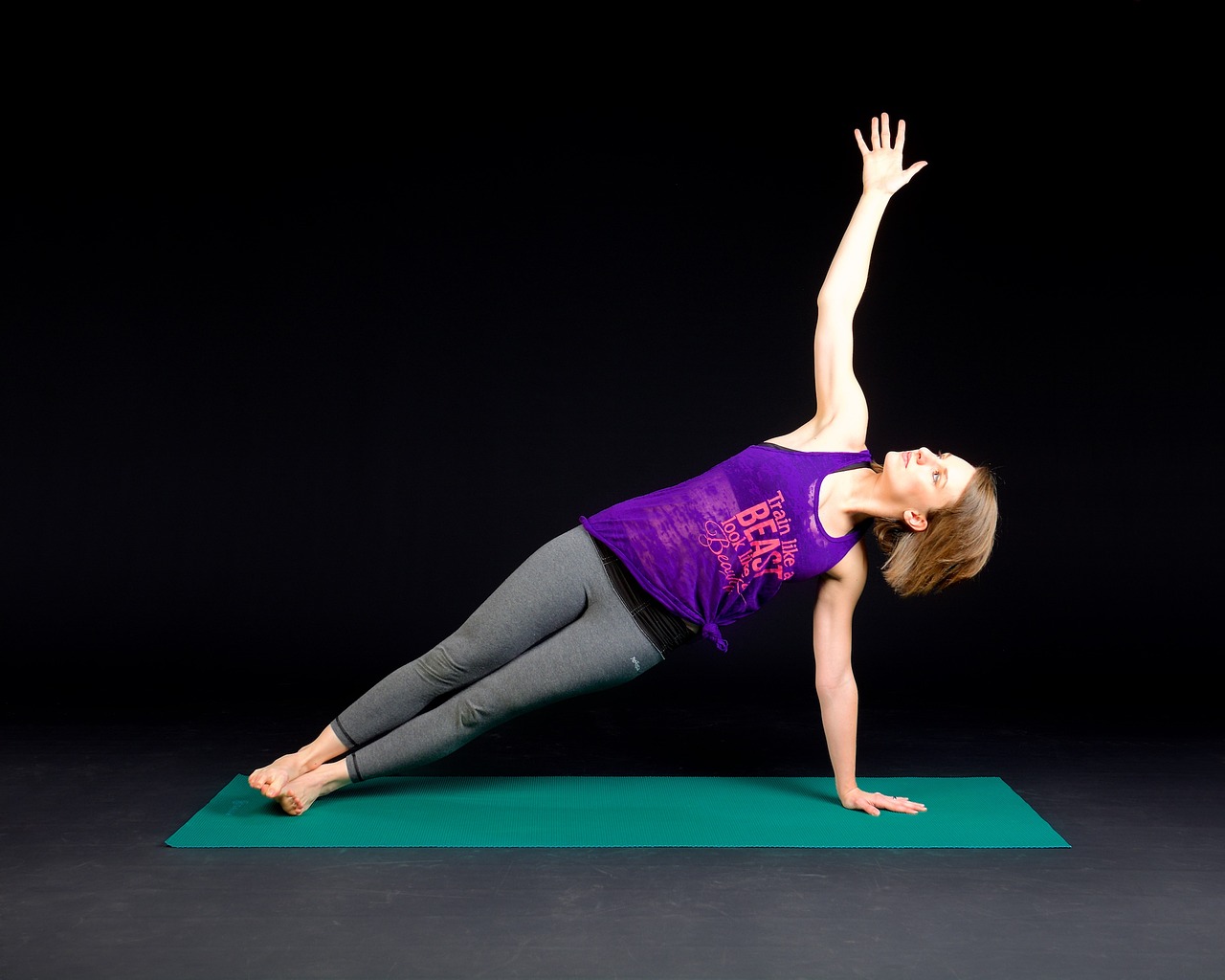
To build core stability, a variety of effective exercises can be employed. First, planks are a fantastic way to engage multiple core muscles simultaneously. Begin on all fours, lower your body so that your forearms and toes are on the ground, and hold a straight line from head to heels. As you build endurance, work toward holding the plank for longer durations. Next, consider adding side planks to target the oblique muscles. Lying on your side, prop up your body with one forearm, keeping your body straight and in alignment. Switch sides after completing your set. Bird dogs are another excellent exercise; whilst on all fours, extend one arm and the opposite leg simultaneously, then alternate. Incorporating a stability ball can further enhance core workouts. For example, seated ball squats engage the core, thigh, and glute muscles. Dead bugs are also beneficial for isolating core muscles; lying on your back, raise your legs and arms, lowering them alternately while keeping the core engaged. The key to these exercises is consistency, aiming for inclusion in your routine two to three times per week for the best results.
Meanwhile, it’s important to remember that core stability training should complement, not replace, traditional strength training. Strength building in functional movements engages the core, providing integrated benefits. Choosing compound movements, such as squats or deadlifts, naturally works the core as it stabilizes during lifts. Emphasizing proper mechanics during resistance training is crucial, as this reduces the likelihood of injuries through poor form. Additionally, incorporating flexibility and mobility work helps sustain core health. Consider stretching exercises that improve flexibility in the hips and spine, allowing for optimal movement patterns. Yoga or Pilates are excellent for enhancing both flexibility and core strength synergistically. This holistic approach ensures you are not just building stability, but also conditioning the entire body. Moreover, seeking guidance from fitness professionals can provide personalized training adjusted to your specific needs and goals. They can offer insight into form, technique, and progression, enhancing efficiency in your training regimen. Consequently, athletes should actively seek professional input when developing core stability skills, as a knowledgeable perspective can yield significant improvements in injury prevention.
Nutrition and Recovery
A strong core also requires proper nutrition and recovery protocols to support muscle health. Diet plays a vital role in muscle development and recovery, focusing on sufficient protein intake. Protein is crucial for repairing and building muscle fibers, aiding in recovery after intense core workouts. Incorporate lean protein sources such as chicken, fish, beans, and legumes into your meals. Additionally, complex carbohydrates supply the necessary energy for rigorous workouts. Foods like whole grains, fruits, and vegetables should compose the majority of your diet, providing essential vitamins and minerals. Staying hydrated is equally important; water supports overall bodily functions, including muscle contractions during exercise. Consuming electrolyte-rich drinks post-workout can further aid recovery, replenishing lost salts. Furthermore, incorporating rest days allows your core muscles to recover effectively. Sleep is critical during this process; it is when the body performs most of its regenerative work. Insufficient recovery time can lead to fatigue, impacting performance and increasing the risk of injury. Listening to your body and scheduling rest days in your training plan fosters longevity in athletic endeavors.
For those who frequently engage in sports activities, it’s vital to recognize the signs of overtraining. Common symptoms include persistent fatigue, decreased performance, and increased irritability. Ignoring these signs can lead to injuries, setbacks in progress, and burnout. Consider implementing active recovery options like light exercises or stretching routines. These serve to maintain blood flow and rejuvenate your muscles while at rest. Additionally, cross-training can reduce injury risk by varying your workout routine. For instance, combining running with swimming or cycling helps recruit different muscle groups and promotes balanced strength. The ultimate goal is to achieve a well-rounded fitness regimen that encourages core stability while reducing injuries. Having a balanced approach to your training, including rest, nutrition, and varied workouts, enhances your core’s strength and protects against potential injuries. Regularly reassess your training and core stability goals. Adjusting your routine ensures it remains effective as your body evolves. By proactively managing your regimen, you create an environment conducive to safe and effective athletic performance.
Assessment and Progress Tracking
Once you have established a core stability routine, ongoing assessment is crucial for ensuring effectiveness and progress. Regular evaluations help identify areas needing improvement and confirm if your approach is yielding positive results. Use functional assessments or specific tests, like the plank hold duration, to gauge core strength. Document your starting point and track your progress over time. Similarly, consider employing fitness apps or journals to monitor your efforts and results. This not only fosters motivation but also encourages the setting of realistic and achievable goals. In addition to personal records, engaging in exercises with friends or teammates can offer support and accountability. Schedule regular check-ins with fun challenges or workouts to keep a spirit of friendly competition alive. Feedback from peers can also provide valuable insights into technique improvements. Finally, celebrate milestones along the way; recognizing your achievements strengthens motivation and dedication to core stability training. Whether small or large, every step towards a stronger core counts. With diligent assessment and tracking, you are better equipped for sustained success in your journey toward injury prevention.
Ultimately, building core stability to protect against injury is a holistic endeavor that combines targeted exercises, proper nutrition, and diligent recovery. By integrating core stability exercises into your training routine, you can see significant performance benefits while minimizing injury risk. Consistent practice and adaptation to your daily routines will lead to stronger stabilizing muscles and better athletic outcomes. Furthermore, understanding the importance of recovery can profoundly impact your ability to partake in sports long-term without facing setbacks. Pay attention to how your body responds—every person is unique, thus flexibility in your approach is crucial. Never hesitate to consult with fitness professionals if you experience challenges. Staying informed and adjusting based on your body’s feedback ensures you are prepared to tackle various athletic demands successfully. Core stability is not a one-time focus but an ongoing commitment to your well-being as an athlete. As you refine your skills over time, remember that consistency and patience are key. Making core stability a priority not only supports injury prevention but also enhances your overall athletic experience and enjoyment.