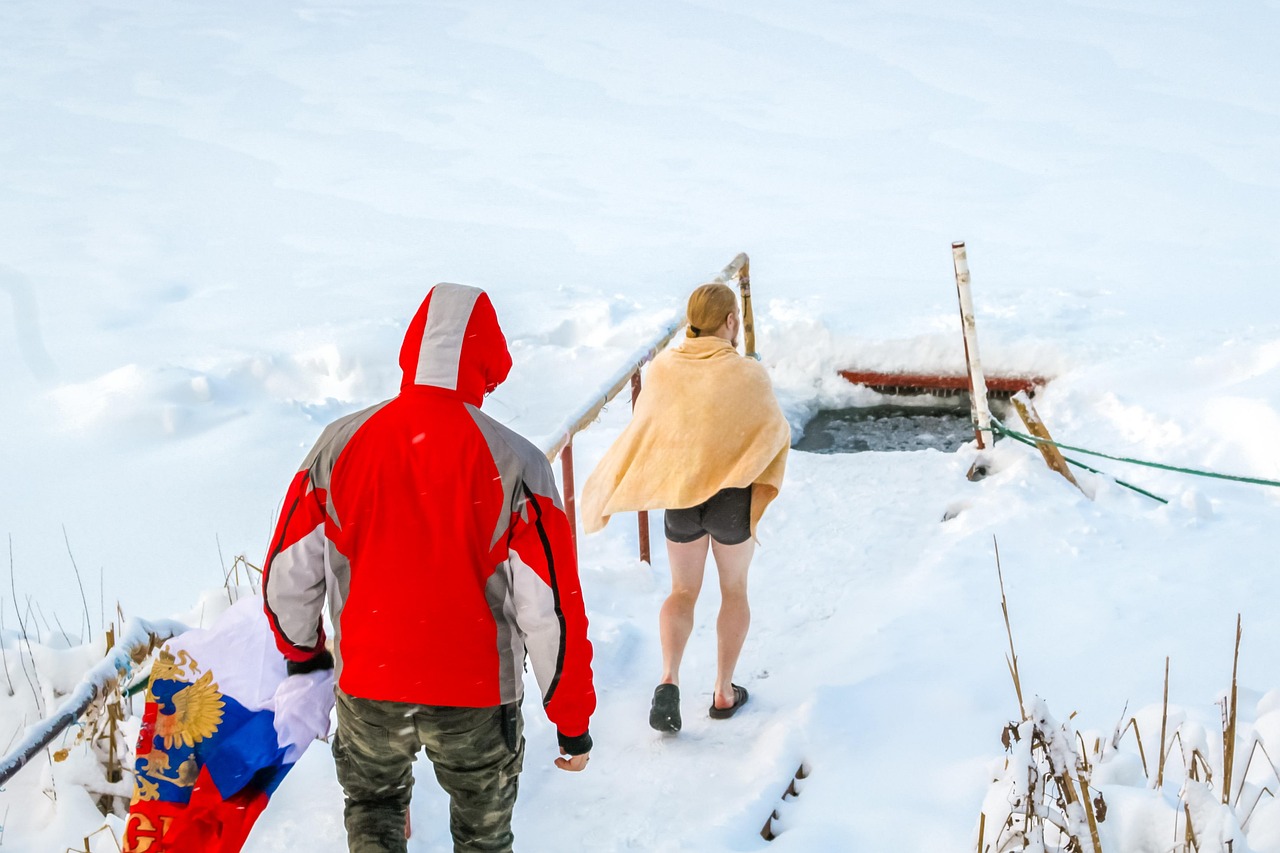

The History and Evolution of Ice Swimming as a Sport
Ice swimming, a term denoting swimming in freezing waters, has a rich history that dates back thousands of years. Early references to ice swimming can be found in the writings of ancient civilizations, notably the Vikings and the Inuit. They engaged in swift swims across icy waters, primarily out of necessity or for ritualistic purposes. In these societies, swimming in cold water was often associated with purification or resilience. Over time, these practical activities evolved into sporting events, especially in Northern Europe, where ice swimming started to take shape as a competitive discipline. Today, ice swimming is recognized as a challenging sport, celebrated for its psychological and physical benefits. Participants endure frigid temperatures, often below zero degrees Celsius, for both competition and enjoyment. As the sport has evolved, it has attracted a diverse following, capable of braving the harshest conditions. Modern-day ice swimming also emphasizes safety, compliance with medical health, and proper gear to ensure a positive experience while engaging in such extreme conditions. Various organizations now host ice swimming competitions, adhering to strict guidelines to promote safety and performance among participants.
The transition of ice swimming from necessity to competition began in the 19th century, particularly in Scandinavia and Russia. During this time, brave enthusiasts formed communities devoted to swimming in icy lakes and rivers, fostering warmth among themselves. They organized events and challenges to demonstrate their endurance and skill in icy water. The cultural significance of these gatherings was immense, as they often included festivals showcasing traditional clothing, folklore, and local delicacies. New competitions attracted thrill-seekers and sports advocates, increasingly embracing the sport’s unique character. By the late 1800s, social clubs for ice swimming began forming, promoting solidarity, health, and physical fitness. With these gatherings, rules were established, and races were held to determine the fastest ice swimmers. Additionally, swimmers experienced a surge in popularity, leading to the establishment of more formal swimming records. Organizations like the Ice Swimming Association began hosting events aimed at breaking existing records and fostering competitive spirit. As a result, these cold-water activities transitioned into organized competitions, paving the way for ice swimming as an increasingly recognized international sport, embraced worldwide by enthusiasts.
As ice swimming gained traction in the late 20th century, technological advances began to shape athletes’ experience and performance. Swimmers started utilizing specialized gear, like wetsuits and thermal tops, to combat the extreme conditions of freezing waters. These developments improved safety and made the sport accessible to a broader audience. Equipment enhancements allowed new participants to focus on technique and their mental approach to enduring the cold. Ice swimming events increasingly reflected a combination of athleticism and community spirit. Swimmers began to share their passion on social media platforms, showcasing both the sport’s exhilarating challenges and triumphs. Application of technology, such as GPS and wearable devices, allowed athletes to track their progress and improve their skills effectively. Furthermore, local clubs began hosting workshops aimed at educating newcomers about safety measures and techniques. Such encouragements helped reinforce community bonds and increased interest among potential ice swimmers. Diving into chilling waters became less intimidating, inviting diverse individuals to test their limits. The sport’s integration of technology signaled a new era, transforming ice swimming into a competitive venture and welcoming environments for participants.
The Benefits of Ice Swimming
Ice swimming provides numerous physical and mental health benefits, making it increasingly popular among a wide range of enthusiasts. One notable advantage is its potential to enhance circulation, as exposure to cold water stimulates blood flow to the vital organs. This invigorating experience can boost the immune system, leaving participants feeling refreshed and energized. Additionally, ice swimming is known to provide essential mental health benefits. Engaging with mother nature and facing the cold develops resilience, confidence, and grit in swimmers. The rush of exhilaration and achievement from such an experience fosters an improved relationship with one’s body and mental state. Furthermore, ice swimming encourages camaraderie among divers, with social interactions helping to reduce stress and promote overall well-being. By embracing the cold together, these communities cultivate support and shared joy in their quest to conquer the icy elements. While there are challenges unique to this sport, the health benefits achieved through ice swimming make the effort worthwhile. As more people embrace this activity, ice swimming continues to grow, shining a light on its countless advantages for those who dare to venture into frigid waters.
Across various regions, ice swimming competitions offer unique opportunities for swimmers to showcase their talent. Events often encompass different categories and distances, attracting various participants ranging from beginners to seasoned professionals. Athletes compete in timed races, where prizes are awarded to the fastest participants while celebrating diverse accomplishments throughout the competition. Locations for these events are typically breathtaking, often held on picturesque lakes or rivers surrounded by snow-capped mountains or frosty landscapes. Participants experience the stunning beauty of nature while pushing their limits in extreme conditions. Local organizations usually host these thrilling events, as they manage safety protocols and facilitate smooth operations. Medics are on standby, ensuring participant safety at all times. Engaging in competitions also emphasizes the strong sense of community present in ice swimming culture. As competitors converge, friendships form amidst the icy exhilaration, creating a bond that extends beyond mere competition, fostering camaraderie. Ultimately, ice swimming competitions serve as a testament to human resilience, where individuals are celebrated for conquering their fears by taking the plunge into the frozen depths.
In recent years, ice swimming has garnered significant media attention, elevating its status as a legitimate competitive sport. Documentaries, blogs, and social media platforms help capture the vibrancy and thrill of this exhilarating endeavor. Experienced ice swimmers often share their personal stories, inspiring others to connect with nature and challenge themselves. Increased awareness leads to greater participation, encouraging individuals across the world to embrace the exhilarating cold waters of ice swimming. Furthermore, notable events worldwide champion the growth of the sport, like the Ice Swimming World Championships. These competitions draw record numbers of participants and spectators alike, showcasing the camaraderie and spirit that defines this icy pursuit. Meanwhile, iconic locations for ice swimming events continue to attract talent, as experienced enthusiasts venture to explore new waters. This evolution towards international recognition highlights the dedication and passion within the community. Enthusiasts continually find inventive ways to promote the sport beyond traditional channels, capturing the hearts of others while sharing the icy challenge with society. As ice swimming becomes more popular, it helps shape its future, beckoning new waves of participants, ready to swim in its icy embrace.
The Future of Ice Swimming
The evolving landscape of ice swimming signals promising future developments for the sport, as innovations continue to arise. Participation rates have steadily increased, with organizations across the globe dedicated to developing skills and techniques for newcomers. Ice swimming’s visibility through various media and events promotes wider appreciation and acceptance. Additionally, there is a growing emphasis on inclusivity, as organizations increasingly strive to create environments welcoming participants from all backgrounds. Efforts underway are aimed at fostering outreach programs targeting youth and marginalized communities, introducing them to the benefits of ice swimming. Educational initiatives guide participants in mastering swimming techniques while promoting safety and enjoyment in cold waters. Cross-promotional opportunities exist between ice swimming and other sports, enhancing attendee experiences at events. These developments will enrich participants’ experiences and promote the sport at a broader level. In tandem, advancements in gear technology will further enhance safety and comfort measures within covered environments. As ice swimming continues to grow, it will foster new traditions while advancing competitive standards, creating a vibrant community that welcomes all who venture into the chilly depths.
Through its rich history and evolution, ice swimming has transformed into an engaging sport that challenges both body and mind. With a robust communal spirit, ice swimming connects individuals who thrive on overcoming frigid adversities together. As technological innovations influence safety and awareness, new swimmers discover the sport’s untold joys and benefits. The future appears bright for this icy endeavor, as inclusivity and accessibility continue to expand, providing opportunities for aspiring swimmers worldwide. Engaging with nature’s harshest conditions fosters resilience and mental well-being that transcends mere athleticism. The vibrant community formed through these experiences enhances participant enjoyment along the journey toward improvement. The evolving landscape of ice swimming welcomes newfound participants and delights enthusiasts alike, promising thrilling stories to be shared. As ice swimming becomes more prominent alongside other sports, its embrace of friendship and strength will undoubtedly foster positive change. In conclusion, ice swimming’s influence has revolutionized perceptions around cold water and forged an indomitable spirit that unites diverse communities. Those seeking adventure should find endless fulfillment, enthusiasm, and camaraderie in this exceptional sport, remaining forever grateful for the compelling history that forms its foundation.