
How to Choose the Right Bike Saddle for Comfort and Performance
Choosing the right bike saddle is crucial for both comfort and performance during your rides. The wrong saddle can lead to discomfort, pain, and even long-term injuries. Firstly, understanding the anatomy of a saddle can help immensely. A saddle primarily consists of a base, padding, and covering material. The base provides structure, the padding cushions your sit bones, and the cover offers comfort. Different riding styles, such as road, mountain, or triathlon, require different saddle designs. For instance, triathletes often prefer saddles that allow for an aggressive forward position, while mountain bikers may opt for those that provide better control during bumpy rides. Remember to consider the width of the saddle, as it should match your sit bone width. Many bike shops offer printed sit bone measurement tools. Furthermore, saddles with cut-outs can relieve pressure on sensitive areas and improve overall comfort. Opting for a saddle with the right amount of padding is also essential; too much can cause chafing, while too little may lead to pain. Trying out different saddles before making a purchase is a wise investment.
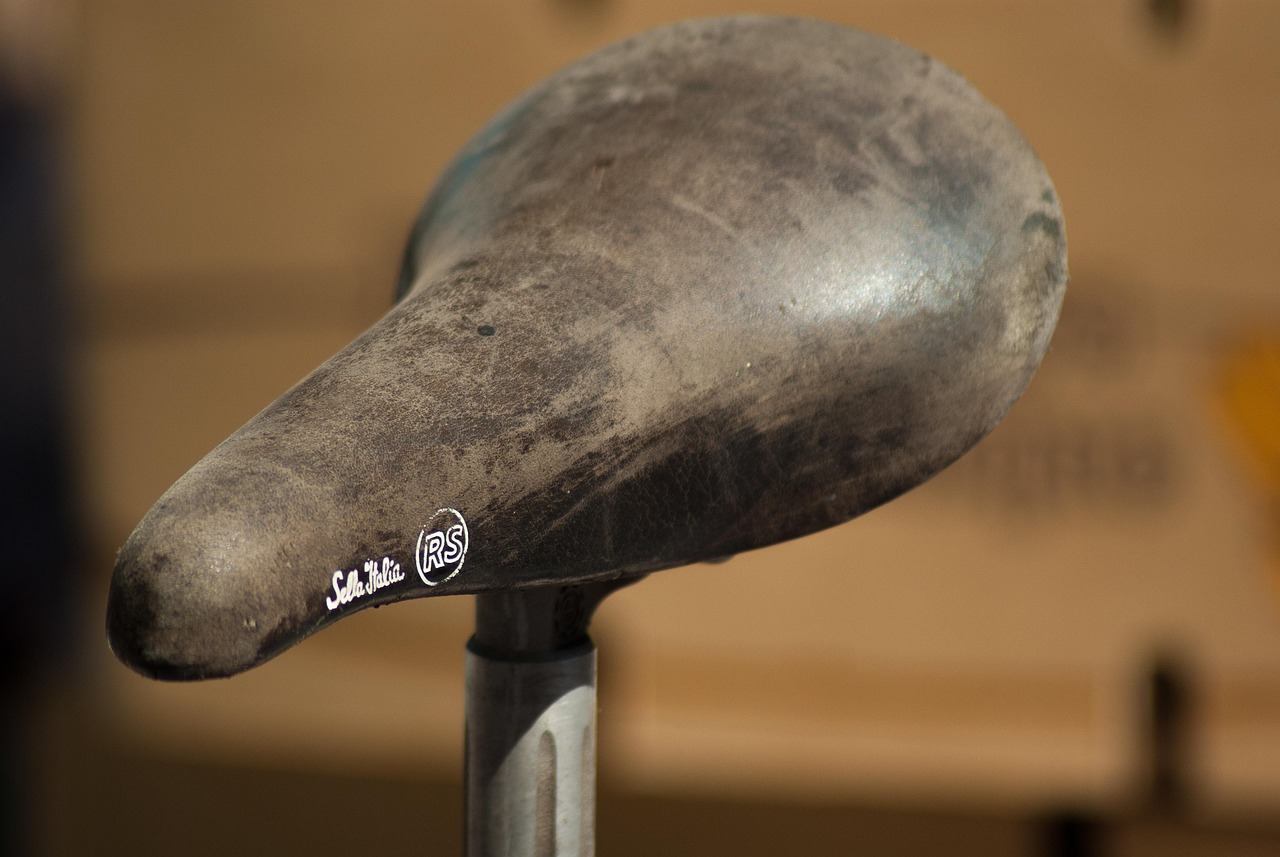
In addition to the physical dimensions of the saddle, the material composition plays a crucial role in selecting the right saddle. Saddles can vary significantly in terms of their outer materials ranging from synthetic to leather to various composites. Leather saddles often offer a classic aesthetic, durability, and excellent comfort over time as they break in. However, they tend to require more maintenance than synthetic alternatives and may be heavier. Synthetic saddles, on the other hand, can be lighter, weather-resistant, and come in a variety of attractive styles. Many riders also benefit from exploring the differences in foam padding or gel inserts in their saddle. Foam tends to be more supportive, while gel provides a plush feeling, though it may feel less stable. Consider your typical riding duration when selecting a saddle; longer rides often necessitate more padding and support. It can also be helpful to look into adjustable saddles, which allow for changes in angle and positioning. In the end, consulting with an expert at a bike shop or reading reviews of various saddles can lead you towards the most suitable options based on your needs.
When testing saddles, it is imperative to keep several factors in mind to ensure a comprehensive evaluation. First and foremost, saddle comfort can vary significantly depending on individual anatomy; thus, testing should be performed while wearing cycling shorts. Cycling shorts can impart the necessary padding and fit to accurately assess saddle comfort. Next, for an optimal fit, determine your saddle height and position while on the bike. It’s advisable to walk or ride briefly with each saddle to identify immediate comfort levels; some discomfort may not manifest until after several hours of riding. A saddle should never feel uncomfortably restrictive or painful in any area. Additionally, during testing, be aware of the pressure distribution across your sit bones and perineal area. Consider maintaining a journal where you can jot down notes on saddle performance and comfort after each test. With this information, you may also want to consult online forums and communities, as other cyclists often share their experiences with various models. Remember that comfort is paramount and investing time to find the right saddle will pay dividends in performance later.
Alignment and Setup
Proper saddle alignment and setup on the bike can drastically influence both your comfort and performance. When you install the saddle, it should be in line with the handlebars, generally at the same height as the top tube. This alignment is critical for maintaining an efficient pedalling technique and reduces strain on your back and shoulders. To find the ideal saddle height, use the levers of your legs while fully extended. Your knee should have a slight bend at the lowest pedal stroke to ensure optimal movement. Adjusting the fore-aft position of your saddle is equally important; this adjustment ensures that your knees align correctly over the pedals. A common method to achieve correct fore-aft position is the KOP (knee over pedal) method, which recommends your knee should be situated directly over the pedal spindle at the 3 o’clock position. Make incremental adjustments during your ride, and be patient, as minor changes can significantly affect comfort. Moreover, assess your handlebar height as well. Balancing saddle height and bar height can create a more comfortable, aerodynamic posture.
Hydration and saddle position should work in harmony during your rides. Riders often overlook how hydration affects overall comfort. Staying well-hydrated can keep muscles and skin more elastic, which reduces chafing during longer rides. It’s advisable to keep your water bottle accessible to ensure you take regular sips throughout your ride. Furthermore, investing in high-quality chamois cream can also make a considerable difference. This lubricant minimizes friction, providing a smoother glide against the saddle. Make sure to apply it generously before long rides, targeting sensitive areas to reduce the risk of saddle sores. Taking consistent breaks during extended rides allows your body to reset positions and ease any pressure on sensitive parts. Additionally, remember that weather conditions can dramatically affect riding comfort. Hot or humid weather calls for extra hydration and may require a change in padding choice. As seasons change, it might also warrant the need for multiple saddle options as comfort may be subjective based on what cycling demands from your body. Ultimately, listening to your body can guide you toward optimal setup and adjustments.
Regular Maintenance for Longevity
Once you’ve found the perfect saddle, regular maintenance will help ensure it remains comfortable and effective. Dirt and sweat can accumulate on both the padding and cover, leading to degradation over time. Regularly wiping down your saddle with a damp cloth can help preserve its condition. Check for wear and tear, particularly the seat rails, as these can affect saddle stability. Additionally, inspect your saddle posts regularly; they can loosen over time due to vibrations from riding, leading to inconsistent comfort. Familiarizing yourself with the saddle tension is essential as well. Some saddles allow for tension adjustments that ensure it maintains an ideal shape over time. Similarly, applying a protectant to leather saddles will help keep them supple and prevent drying or cracking. Inspect the bolts and mounts to ensure they are appropriately fastened, preventing the saddle from slipping during rides. If you notice any significant wear or discomfort after routine maintenance, it might be time to consider investing in a new saddle. Keeping your equipment well-maintained ultimately results in sustained performance benefits.
Ultimately, finding the right bike saddle is a process that takes time, experimentation, and constant self-assessment. Every cyclist has unique needs, preferences, and riding styles; thus, a one-size-fits-all approach does not apply here. It’s important to visit local bike shops to try different saddles or consider attending cycling events where brands showcase their products and often allow for testing. Engaging in discussions with fellow cyclists can provide insights into the best options based on personal experiences. Be sure to take each saddle for a test ride of varying durations to gauge both short and long-term comfort. Having a clear understanding of your riding habits will also guide you in the right direction, whether you prefer long endurance rides or fast-paced racing. Don’t hesitate to continually seek new information and trends in bike technology; advancements can lead to better options for your riding needs. The right saddle will enhance your riding experience, allowing you to ride longer, with improved performance, and, most importantly, without discomfort. Periodically reassessing your saddle setup throughout your cycling journey will foster ongoing success.