
Using Fluorinated Waxes: Pros and Cons
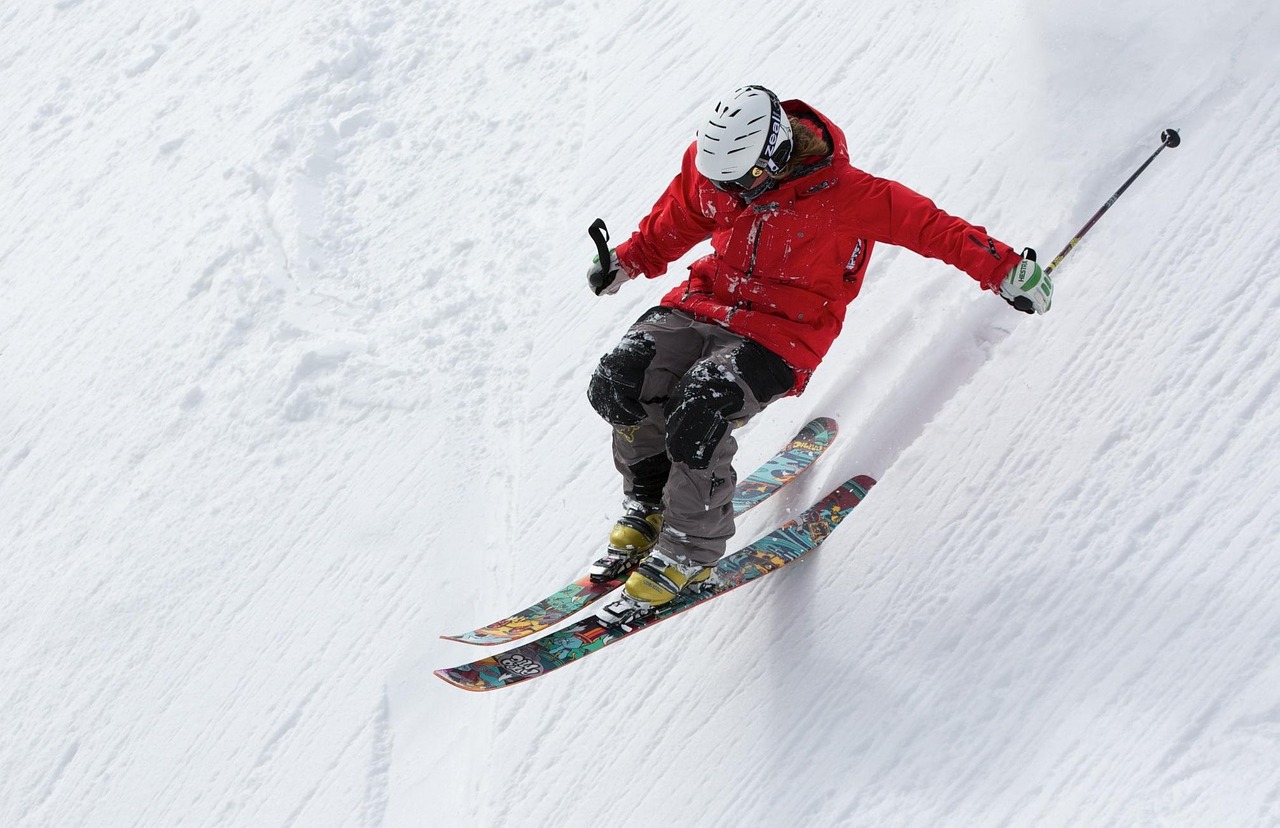
Ski waxing is a crucial part of winter sports, ensuring optimal performance on the slopes. One innovation in this practice is the use of fluorinated waxes, known for enhancing glide and speed. Fluorinated waxes are designed to repel water, reducing friction and allowing for smoother rides. However, the pros and cons must be weighed when deciding on their use. On the positive side, fluorinated waxes can significantly improve skiing efficiency and speed. For competitive skiers, this means the difference between victory and defeat. Furthermore, they tend to last longer than traditional waxes, making them a preferred option for frequent skiers. On the downside, these waxes can be quite expensive and may raise environmental concerns due to their chemical composition. Additionally, they require specialized application techniques, which could be challenging for casual skiers. Therefore, understanding both the performance benefits and the potential drawbacks is essential for making informed choices about ski waxing products.
Performance Benefits
Fluorinated waxes provide remarkable performance benefits for skiers under certain conditions. These specialized waxes excel on wet snow, often delivering unparalleled speed compared to traditional alternatives. The hydrophobic properties of fluorinated waxes help maintain a slick surface that reduces drag, allowing skiers to glide effortlessly. Many professional skiers swear by these waxes, especially in competitive events where a fraction of a second can make all the difference. Importantly, this improved performance can also lead to enhanced skiing experiences, as skiers feel more confident in their equipment. Thus, this can inspire more people to take part in skiing. Furthermore, the ability to withstand variable weather conditions sets fluorinated waxes apart from regular waxes. The long-lasting nature of these products means fewer applications are required over a season, reducing overall maintenance efforts. Leveling up with fluorinated wax can be exhilarating, but it comes with a price tag that may not be feasible for all enthusiasts. Therefore, weighing performance enhancements against costs is crucial, especially for recreational skiers. This balance can guide wiser decisions about waxing techniques.
Environmental impact is an essential consideration when using fluorinated waxes. These specialized products have garnered criticism due to their hazardous chemical components. These ingredients can contribute to environmental pollution, raising red flags for many concerned skiers. In recent years, there has been an increased focus on sustainability, forcing manufacturers and consumers alike to reconsider their choices. While fluorinated waxes undoubtedly offer performance improvements, their consequences on ecosystems should not be overlooked. It is vital to stay informed on safety regulations regarding hazardous chemicals in ski waxes and their disposal methods. Some brands are now introducing eco-friendly alternatives that can perform nearly as well without harming the environment. By opting for these sustainable products, ski enthusiasts can enjoy their sport while being mindful of their ecological footprint. Additionally, supporting companies that prioritize research and development around green products can encourage industry shifts toward more responsible practices. As the dialogue about sustainability continues, skiers should feel empowered in making conscientious product choices that allow for enjoyment of the sport responsibly. This supports a more balanced approach to skiing and the environment.
Application Techniques
Applying fluorinated waxes requires specific techniques to maximize benefits and ensure longevity. Proper preparation of the ski base is essential before applying any wax; this involves cleaning and scraping to remove old wax and debris. Next, the fluorinated wax must be melted appropriately using an iron set to the right temperature. Different types of fluorinated waxes exist, each suited for distinct snow conditions, and selecting the correct one for your skiing scenario is crucial. Following the melt process, it’s essential to let the wax cool down for a specified time to optimize adhesion. After allowing the wax to set, scraping excess wax is important to achieve a smooth finish. The final steps include brushing the base with specific brushes designed for fluorinated wax, ensuring an even layer that maximizes performance. Applying fluorinated wax correctly can enhance skiing experience and performance, especially on race days. It’s also wise to practice these techniques before heading to the slopes, as a few mistakes can lead to reduced performance. Mastering the application of wax can develop a deeper appreciation for winter sports and the gear involved.
Another factor to consider when using fluorinated waxes is the market trends regarding these products. The ski industry continuously evolves, with some brands at the forefront of innovation. Regularly keeping abreast of new developments can help skiers choose the right waxes based on current recommendations and industry standards. Online forums and social media have become increasingly helpful in sharing experiences with specific wax brands among skiers of various skill levels. These interactions can provide valuable insights and foster a community that emphasizes education and shared experiences. Moreover, as environmental regulations become stricter, more manufacturers are investing in sustainable practices, leading to a wider range of eco-scoring options. Consequently, skiers may find themselves better equipped to align their gear with their values without sacrificing performance. This is particularly relevant for enthusiasts who wish to enjoy winter sports while being conscious of their environmental footprint. Balancing performance with sustainable choices serves as a great discussion point within the skiing community. Ultimately, the evolving landscape of ski waxes will continue to be an area of interest for both casual and professional skiers.
Cost Considerations
Considering the costs associated with fluorinated waxes is essential for any skier planning their season. While the performance benefits are significant, the financial investment necessary to purchase these products may not be justifiable for everyone. Fluorinated waxes often come with a premium price tag compared to standard options, which means budgeting plays a key role in decisions around them. Skiers should evaluate their frequency of use, type of skiing they engage in, and how much performance improvement is truly desired. Those who ski primarily for recreation might find that standard waxes suffice, allowing for a better allocation of financial resources elsewhere. However, competitive skiers may need to allocate more budget towards fluorinated options to remain competitive in their sport. Understanding market trends and seasonal sales can also aid in finding more budget-friendly options. By effectively planning ski maintenance expenses, recreational skiers can enjoy their sport without feeling financially burdened. This balance ensures that skiing remains accessible for various enthusiasts while accommodating performance demands and personal preferences. Thus, smart budgeting takes center stage when it comes to ski waxing decisions.
Ultimately, the choice of using fluorinated waxes boils down to personal preference and individual skiing goals. As winter sports enthusiasts, understanding the benefits and drawbacks of these products allows skiers to make more informed decisions about their gear. Competitive skiers may prioritize performance over all other factors, whereas recreational skiers may opt for cheaper, more eco-friendly alternatives. Finding a balance between performance enhancement, environmental responsibility, and cost reflects the diverse needs and desires of the ski community. By embracing discussions around the different types of wax and their features, skiers can foster a deeper relationship with their sport. Communities built on sharing knowledge and experiences can contribute to overall improved skiing habits. Plus, recommendations from fellow skiers serve as a valuable resource when evaluating different products. Ultimately, informed decisions create more enjoyable experiences on the slopes. As the dialogue about fluorinated waxes continues, so do the opportunities for learning and connecting within the skiing community. Fostering these engagements enriches participation in winter sports and ensures better experiences for all enthusiasts.