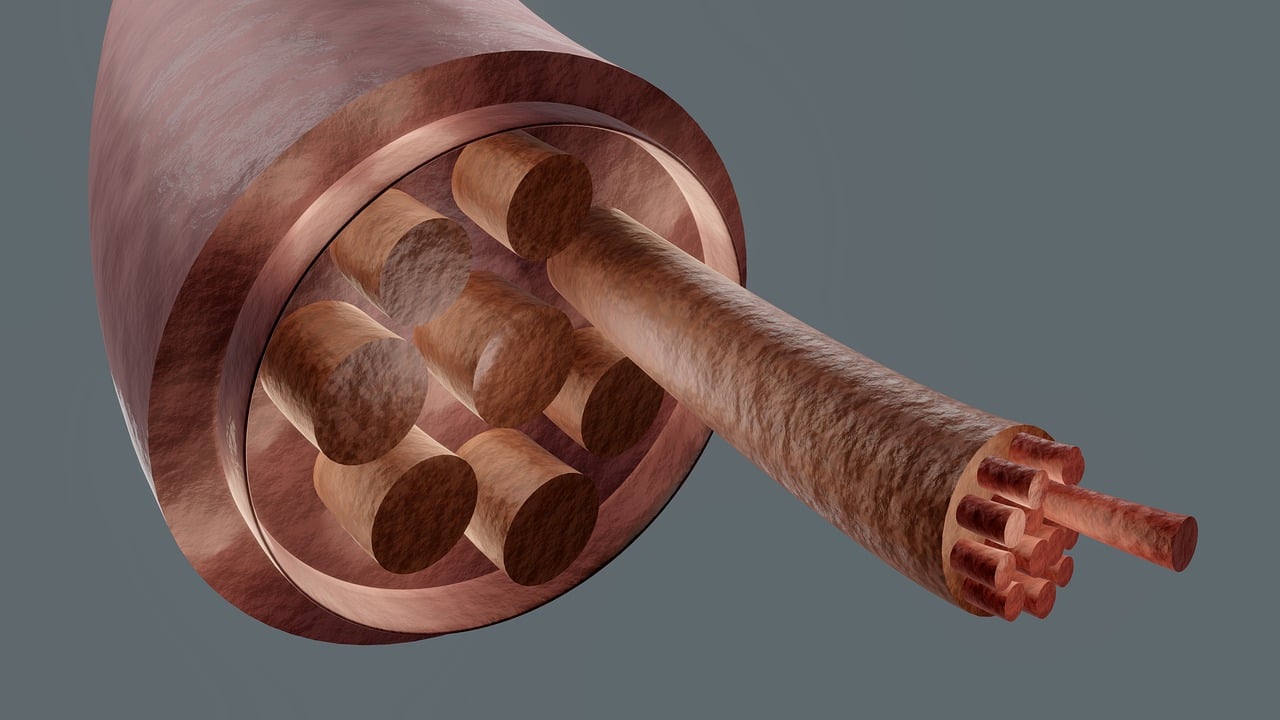

Understanding Muscle Fiber Types and Their Mechanical Properties
The human musculoskeletal system is comprised of various components, including muscles, bones, and tendons. Among these, muscle fibers play a crucial role in producing movement. There are three primary types of muscle fibers: Type I, Type IIa, and Type IIb. Type I fibers, also known as slow-twitch fibers, are characterized by their endurance capabilities. They are well-suited for prolonged activities, like distance running, thanks to their high mitochondrial density and rich supply of oxygen. In contrast, Type II fibers are fast-twitch, enabling rapid and powerful contractions but with a shorter duration. Type IIa fibers offer a mix of both characteristics, while Type IIb fibers are primarily designed for short bursts of strength during high-intensity activities. Understanding these differences is essential in various fields, including sports science and rehabilitation. Each muscle fiber type utilizes energy differently, affecting overall physical performance and recovery. Tailoring training and rehabilitation programs to an individual’s muscle fiber composition can significantly optimize outcomes and enhance athletic performance. Comprehending muscle fiber types offers valuable insights into biomechanics and how they relate to various physical activities understood through specialized knowledge.
Characteristics of Muscle Fiber Types
Type I muscle fibers exhibit several distinct characteristics that contribute to their functionality. These fibers are rich in myoglobin, an oxygen-binding protein, allowing for efficient oxygen utilization. Their extensive blood supply enhances endurance during long-duration activities. In comparison, Type II fibers are characterized by their ability to generate force quickly, but at a cost; they fatigue rapidly during prolonged exertion. Type IIa fibers importantly possess a moderate resistance to fatigue, making them versatile in both endurance and strength activities. Type IIb fibers are particularly advantageous for activities requiring explosive power, such as sprinting or weightlifting. Another distinguishing feature of the various muscle types is their contraction speed. Type I fibers contract slowly and sustain activity over long periods, whereas Type II fibers contract at a much faster pace. Consequently, understanding these characteristics aids athletes in selecting appropriate training regimens. A careful combination of strength and endurance training can optimize performance based on the primary muscle fiber types present. Furthermore, evaluating an athlete’s fiber composition may inform coaches on how to structure training sessions efficiently, aligning specific sessions to target the necessary adaptations desired.
Exercise type and intensity profoundly influence muscle fiber recruitment during physical activity. Generally, lower intensity, longer-duration exercises predominantly engage Type I fibers, optimizing endurance. In contrast, as intensity increases, Type IIa and eventually Type IIb fibers are recruited to meet the higher demands of muscle activity. This gradual recruitment process is often referred to as the “size principle,” where smaller, low-threshold motor units are activated before larger, high-threshold units. This process helps maintain energy efficiency during the onset of muscular effort. In practical scenarios, this means that activities such as jogging will primarily engage the slow-twitch fibers, as explosive actions like sprinting heavily depend on fast-twitch fibers. Training adaptations can shift these activation patterns. For instance, sprinters might experience some shift where their Type IIa fibers gain more endurance qualities when trained extensively. Furthermore, various factors contribute to an individual’s existing fiber makeup, including genetics and training history. Genetic predisposition plays a vital role in determining the proportions of fiber types, profoundly affecting athletic performance potential. Trainers often assess a client’s performance history and predisposition to design efficient training programs to maximize results based on identified muscle fiber distributions.
Role of Muscle Fibers in Adaptation
Over time, the human body can adapt to specific training stimuli, affecting muscle fiber composition and function. Endurance training typically leads to an increase in Type I fiber efficiency, enhancing fatigue resistance, mitochondrial density, and overall aerobic capacity. Conversely, strength training primarily promotes hypertrophy of Type II fibers, optimizing muscle cross-section and potential for force generation. Such adaptations illustrate the plasticity of muscle fibers, which can change in response to training stimuli over several weeks or months. A notable phenomenon is muscle fiber transformation, where one fiber type can take on properties similar to another through specific training regimens. For example, Type IIb fibers can gain endurance-like traits and become more aerobic with prolonged endurance training. Conversely, Type I fibers may exhibit some fast-twitch characteristics when subjected to intense strength training. Understanding these adaptations empowers athletes and trainers to strategically develop training protocols aimed at specific outcomes. Whether one is targeting endurance, speed, or strength, personalized programs founded on science will yield superior results compared to generic regimens. This recognition enables athletes to adjust their training to fit their unique goals effectively and precisely.
Muscle fiber types significantly impact athletic performance across various sports and physical activities. Competitive athletes often display varying muscle fiber distributions that delineate their performance capabilities. Sports emphasizing explosive power, like sprinting or weightlifting, require a predominance of Type II fibers, facilitating quick and forceful contractions. However, endurance sports, such as long-distance running or cycling, primarily benefit from Type I fibers, sustaining prolonged activity without fatigue. Coaches and sports scientists utilize this understanding to guide training and recruitment strategies. Furthermore, research suggests that elite athletes tend to possess higher proportions of muscle fibers suited for their respective disciplines. For example, sprinters often have a higher ratio of Type IIb fibers compared to marathon runners, who benefit from their slow-twitch fibers. Notably, observing muscle fiber proportions can affect selection processes for new athletes in competitive sports. Aspiring athletes should engage in assessments to understand their individual profiles. This understanding facilitates targeted training and may contribute to performance optimization. Effective strategies can optimize fiber recruitment during training sessions to maximize efficiency, enhancing performance outcomes in competition and practice alike for various athletic pursuits designed to enhance physical prowess.
Implications for Rehabilitation and Training
A deep understanding of muscle fiber types also carries essential implications for rehabilitation. Tailoring rehabilitation programs based on muscle fiber composition allows practitioners to optimize recovery processes. For instance, an athlete recovering from muscle strain or surgery may benefit from targeted exercises aimed precisely at reactivating the specific fiber types affected. Introducing appropriate stimuli enables muscle fibers to regenerate strength effectively while reducing risk of reinjury. In contrast, using inadequate rehabilitation strategies may prolong recovery times and inhibit the return to pre-injury performance levels. As practitioners design rehabilitation curricula, it’s essential to consider not only the muscle fiber types involved but also the individual’s overall physical condition and specific needs. Gradually reintroducing activity while paying attention to muscle recruitment patterns can optimize healing outcomes while fostering efficiency. Science-supported techniques, such as progressive loading and neuromuscular re-education, further contribute to functional recovery. Educating patients on muscle fiber differences aids compliance and promotes enthusiasm for returning to sports, as they understand their unique needs better. Thus, a comprehensive strategy effectively embraces biomechanical knowledge to foster a more functional recovery journey for each individual, benefiting both rehabilitation artists and athletes alike.
The implications of muscle fiber types extend into general fitness programming and health. Individuals wishing to achieve specific fitness goals must understand how their muscle fiber types influence outcomes. For those seeking to build muscle strength and size, focused training on Type II fibers can be paramount. Engaging in explosive and resistance training exercises will maximize these fibers’ recruitment. Conversely, individuals prioritizing weight loss and overall fitness may benefit from a combination of endurance activities to optimize Type I fiber engagement. Creating a balanced regimen that includes both endurance and strength training offers the best of both worlds for those aiming to improve body composition and performance. Training meticulously, recognizing muscle fiber roles, and ensuring diversity in workouts maximize benefits and performance while minimizing risks. Fitness professionals can guide individuals to find the right mix tailored to their unique muscle fiber distributions and fitness objectives. Educating clients about muscle fibers fosters motivation and personal accountability in training cycles. Ultimately, understanding muscle fiber types offers expansive benefits for recovery, training, performance optimization, and general fitness improvements, equipping individuals with knowledge to reach their aspirations effectively and inspiring others to do the same.
Conclusion
In conclusion, comprehending muscle fiber types is essential for optimizing athletic performance, enhancing rehabilitation strategies, and improving overall fitness. Each muscle fiber type possesses unique characteristics that govern their roles in physical activities. This understanding facilitates personalized training and rehabilitation protocols tailored to individual needs, unlocking significant potential for improving performance outcomes. As research in biomechanics progresses, the knowledge surrounding muscle fibers continues to evolve, allowing both athletes and practitioners to maximize efficiency and effectiveness through targeted practices. Incorporating this knowledge into training regimens fosters athletes’ performance as well as general population fitness levels, promoting an informed approach that employs apt techniques and methodologies. Furthermore, by understanding muscle fiber compositions among athletes, coaches can design more effective training programs that align with their unique physiological attributes. This nuanced understanding of the human body through biomechanics empowers both athletes and practitioners to maximize potential, ultimately resulting in enhanced outcomes in various physical activities. Embracing this knowledge is vital for individuals seeking to excel in sports, improve rehabilitation processes, or embark on fitness journeys, making it a cornerstone of modern exercise science and practice.