
The Evolution of Calisthenics Communities Over the Years
Calisthenics has undergone significant transformations since its inception as a physical training method. Originally, practitioners dedicated themselves to bodyweight exercises in isolation. Over time, individuals began to gather to exchange training tips, share experiences, and develop a community. The introduction of social media revolutionized how these enthusiasts connected. Digital platforms enabled athletes from various backgrounds to unite and share their passion. As these communities grew, they fostered inclusivity and welcomed beginners alongside seasoned athletes. Furthermore, members began to organize local events, bringing practitioners together in person for competitions and collaborative workouts. Safety became a prime focus, leading to the sharing of essential techniques through tutorials. Online forums emerged as hubs for discussions, allowing people to seek advice on training regimens and injuries. This period highlighted the importance of support among practitioners, as experienced members took the initiative to mentor newcomers. Over the years, the evolution of calisthenics communities reflected a blend of tradition and modernity, underscore a commitment to continuous learning and improvement in fitness journeys.
As calisthenics gained popularity, more specialized communities began to form. These groups commonly focused on specific aspects of the practice, such as strength building, endurance improvements, or skill developments. As the internet made its way into everyday life, platforms like YouTube became essential for sharing training videos and instructional content. Coaches started hosting online courses that provided comprehensive training programs. The rise of social media influencers in the fitness space brought a new level of visibility to calisthenics. This increased interest in calisthenics led to the establishment of dedicated forums and subreddits. Such platforms offered users a variety of discussion threads, enabling them to share tips, progress, and motivation. Engaging with these communities could enhance individuals’ understanding of body mechanics and exercise science. Furthermore, the influx of diverse perspectives through forums enriched the global culture surrounding calisthenics. Participants could discuss their experiences with different workout styles and nutrition plans, making the path toward fitness more accessible to a broader audience. The exchange of ideas allowed practitioners to push their boundaries and adopt innovative techniques in their training.
Online Communities and Their Impact
The growth of online communities has played a pivotal role in transforming the landscape of calisthenics. Websites and social networks made it easier for athletes to collaborate on workouts and strategies. These digital environments facilitated learning, allowing members to share videos demonstrating various exercises. Moreover, user-generated content drove constant innovation within the practice. People began combining calisthenics with other training modalities, such as yoga and high-intensity workouts. Local meetups flourished as practitioners sought real-life engagement with fellow enthusiasts, enriching community bonds. Regional gatherings enabled athletes to test their skills against peers, amplifying the sense of camaraderie and sportmanship. This collective experience nurtured the spirit of friendly competition, encouraging participants to push their limits together. As a result, awareness about crucial aspects such as progression and recovery also increased. The communities focused on educating members about injury prevention through safe practices. Social media platforms allowed individuals to showcase their fitness journeys, ultimately serving as motivation for others. Such online spaces created supportive networks that fostered accountability, leading many athletes to set and achieve ambitious fitness goals.
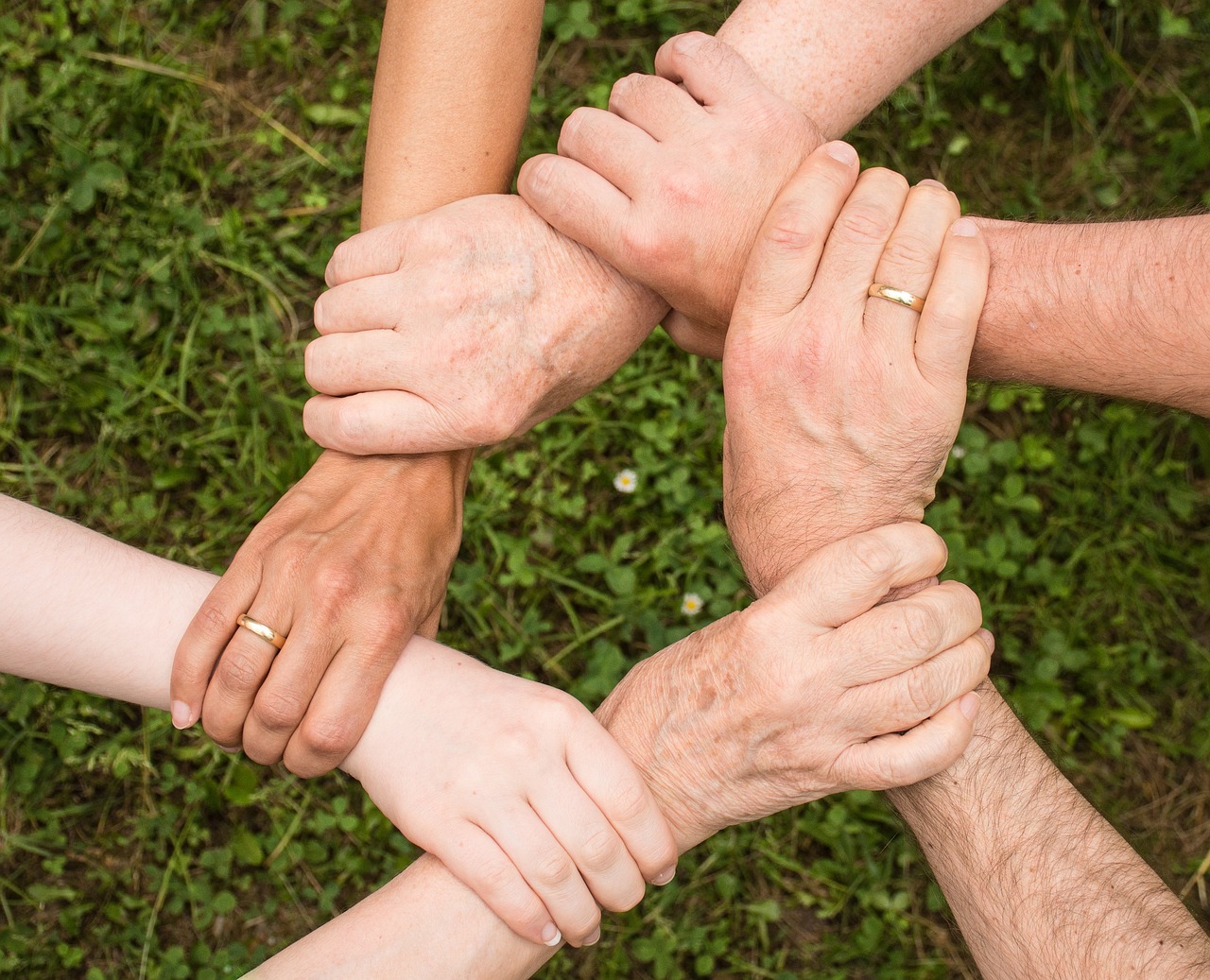
One remarkable trend within calisthenics communities is the increasing emphasis on inclusivity. Traditionally, fitness discussions skewed towards athletic individuals, often sidelining those starting their fitness journeys. However, calisthenics communities have made a concerted effort to welcome practitioners of all abilities. Forums dedicated to beginners aim to provide supportive environments where everyone feels comfortable asking questions. Coaches and experienced athletes contribute to these community spaces, offering guidance without judgment. This movement underscores the belief that fitness should be accessible and enjoyable for everyone. Furthermore, social media allows success stories to shine and inspire others. People share their transformations, highlighting how dedication to bodyweight training has positively changed their lives. As a result, the stigma around fitness and physicality has diminished, encouraging participation among people from diverse backgrounds. Through the exchange of tips, encouragement, and experiences, these communities shape healthy habits that resonate with newcomers. The transformation of calisthenics from niche training to a widespread movement reflects the power of community-driven support in promoting fitness culture.
Events and Competitions
As calisthenics communities expanded, the advent of events and competitions became more prominent, showcasing the skills and talents of practitioners. These gatherings fostered healthy competition and camaraderie, creating exciting opportunities for athletes to highlight their physical abilities. Local, national, and international competitions emerged, providing platforms for individuals to demonstrate their strengths and creativity. Participants often display unique routines, captivating audiences with their agility and mastery of bodyweight exercises. These events serve as a springboard for practicing athletes to network and learn from each other, strengthening ties within the community. Both seasoned and novice individuals can participate, creating an inclusive atmosphere that encourages learning in friendly environments. Events also emphasize the importance of coaching, as athletes frequently share insights and training regimens at these gatherings. With increasing popularity, competitions often attract sponsorship deals and media coverage, contributing to the overall growth of the calisthenics movement. The success stories stemming from such contests promote the potential of bodyweight training and inspire newcomers to embark on their fitness journeys.
The diversification of competitions reflects broader trends within calisthenics communities. Various formats have emerged, from traditional skill showcases to innovative league systems that promote ongoing challenges. Among these formats, freestyle calisthenics competitions gained traction, allowing athletes to express their creativity through dynamic routines. Unique elements such as music and choreography have become integral to these performances, adding an artistic flair to the strength-based discipline. This expansion exemplifies how calisthenics transcends mere fitness; it has evolved into a multifaceted art form. As a result, communities attract diverse groups of individuals who may not traditionally engage in conventional fitness models. Additionally, organizations often create pathways for collaboration, strengthening relationships between athletes and local fitness facilities. National and regional events encourage skill-sharing initiatives, fostering growth both competitively and personally for participants. The availability of different competition formats ensures everyone finds a place within the calisthenics community. This inclusivity enhances the overall experience, expanding the visibility and understanding of calisthenics as a versatile form of exercise.
The Role of Coaches and Mentors
Coaches and mentors have become fundamental to the development of calisthenics communities. With the increasing complexity and variety of bodyweight exercises, the role of an experienced mentor has grown more vital than ever. These individuals offer insights on proper technique, injury prevention, and workout programming. They also help to foster an encouraging environment, guiding aspiring athletes while promoting accountability. This mentorship dynamic strengthens ties within the community, allowing experienced practitioners to invest in the growth of others. Furthermore, coaches often facilitate workshops and seminars, aiming to address the skills and knowledge gaps commonly found among beginners. Their instructional methods are critical not only for teaching techniques but for instilling confidence in newer athletes. Mentorship extends beyond physical expertise; it encourages mental resilience and reinforces the importance of discipline and consistency in training. As social media continues to evolve, many coaches share valuable content online, offering accessibility to their expertise. This broadens the reach of calisthenics knowledge, helping beginners access resources that enhance their fitness journeys and create supportive pathways within the community.
The relationships cultivated within the calisthenics community significantly influence learning and growth. Practitioners who engage with knowledgeable coaches expedite their understanding of techniques and principles crucial to success. In addition, mentorship fosters long-lasting bonds and networks—a factor that may support future collaborations in training and events. Performance feedback from peers serves as another vital component in skill development, allowing athletes to refine their techniques. Social platforms have bridged geographical gaps, enabling connections with mentors and peers worldwide. As digital coaching systems rise in popularity, athletes can participate in personalized training sessions from the comfort of their homes. This flexibility ensures anyone can access quality instruction tailored to their specific needs, regardless of location. Emphasizing the importance of finding mentors within calisthenics communities enhances self-discovery and personal growth. Cultivating meaningful relationships among practitioners creates a culture that champions learning, sharing knowledge, and supporting individuals in achieving their goals, shaping the future of calisthenics.