
Yoga Poses to Boost Shoulder Flexibility
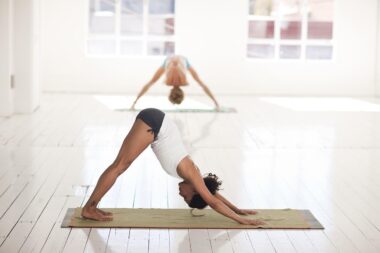
Shoulder mobility is crucial for overall flexibility and preventing injuries. Yoga poses that focus on this area help improve range of motion and ease tension. Integrating these poses into your routine can provide a plethora of benefits. Begin with the Cat-Cow Stretch, a gentle flow that warms the spine and shoulders, promoting flexibility. To perform this, start on your hands and knees, alternating between arching and rounding your back. Another beneficial pose is the Thread the Needle. This involves lying on your back and passing one arm directly beneath your opposite side while lying flat on the ground. It opens the shoulders and chest remarkably well. Next, consider the Child’s Pose, which not only stretches the shoulders but also calms the mind. Additionally, the Downward-Facing Dog is exceptional as it elongates the spine and shoulders simultaneously. Finally, include Bridge Pose for a deeper stretch. Incorporating these poses regularly can result in increased shoulder mobility and flexibility over time, allowing for more freedom of movement and enhanced athletic performance.
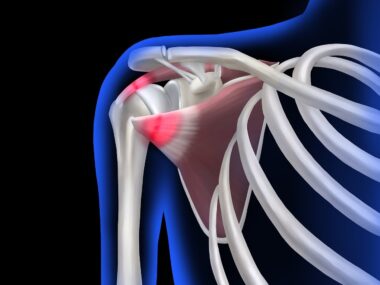
Building on an initial yoga routine, consider the Agar Pose for profound shoulder stretching benefits. This pose enhances flexibility by using ground support to push open the shoulders. With the elbows bent at 90 degrees, lift the arms while keeping them in position, ensuring that the shoulder blades come together. Another vital aspect of shoulder mobility is ensuring that the scapulae properly align. The Corpse Pose is another excellent addition, promoting relaxation after intensive stretches. By laying on your back, arms open wide, this pose encourages proper shoulder alignment. Similarly, the Reclined Bound Angle Pose allows gravity to assist in broadening the chest and promoting deep stretches in the shoulders. Here, individuals can place their hands behind the head, facilitating a mild shoulder opener. Exploring these variations encourages deeper stretches, ultimately enhancing flexibility. As you practice, listen to your body and adjust your limits accordingly. Flexibility improves over time; consistency in practice will ensure better results and prevent stiffness. Ultimately, focused breathing during these poses can also improve muscle elongation and overall ease and relaxation in the shoulders.
Moving further, the Garland Pose is an excellent way to engage your hip openers as well. This not only encourages a fuller stretch of your shoulders but also aids leg flexibility and strength. When combined, these components form a holistic approach to mobilizing shoulders. It also enhances balance and coordination. When practicing garland, squat down low while keeping your feet together, joining your hands in a prayer position at your heart. This encourages tension release in the shoulders. Furthermore, the Extended Puppy Pose is just as effective for boosting shoulder flexibility. It’s a variation of child’s pose where you keep your hips over your knees while extending the arms further forward to achieve a stretch through the upper back. This elongates the spine and expands the shoulders. As with any practice, it’s advantageous to combine strength-building exercises with these stretches. Engaging the surrounding shoulder muscles forms stability, enhancing overall mobility. Curate a playlist that inspires relaxation and dedication to your practice, allowing you to commit to your routine while enjoying the process of improvement.
Integrating Breathing Techniques
Incorporating breathing techniques into your yoga practice can significantly amplify the benefits experienced from shoulder flexibility poses. Breath awareness encourages individuals to focus and align their movements thoughtfully. For instance, while in Child’s Pose, inhale deeply, allowing the ribs to expand, and exhale fully to release any tension in the shoulders. Such mindful breathing directly influences the body and mind, enhancing the overall practice’s effectiveness. Moreover, try Ujjayi Breath, usually referred to as victorious breath; this technique promotes energy flow and deeper stretching capabilities. As you inhale, envision your breath traveling to the shoulder region and filling it with warmth. Maintaining this focus throughout poses like Downward-Facing Dog can increase oxygen supply, aiding muscle replenishment. Practicing these techniques consistently can turn your routine into a comprehensive mobility-enhancing workout. Use calming music or guided meditation tools to guide breath work; these can help deepen the experience. Very beneficial is the Fish Pose as it allows a deep stretch of shoulder and neck areas. Pairing these breaths with different poses ensures maximum benefit and optimal shoulder wellness.
As you progress, it’s crucial to remember that not every day will feel the same; some days you may be more flexible than others. Recognizing and respecting these fluctuations in your stretching capabilities is essential for progress. Additionally, integrating handstands or arm balances into your routine can further challenge your shoulder mobility. The Forearm Stand is one such pose that calls for strength and flexibility. It encourages opening the shoulders significantly, enabling awareness and control; however, practice patience, ensuring gradual progress. Another excellent option is Pigeon Pose, which indirectly aids the shoulders through hip opening. While focusing primarily on hip flexibility, it enables a more accessible input to shoulder mobility. Alongside these poses, utilizing resistance bands can help strengthen the muscles around the shoulders, ensuring a balanced approach to flexibility training. Implement gentle resistance while focusing on shoulder movements to build strength without compromising flexibility. Gradually, you will notice improvements that will reflect in other physical activities, potentially improving sports performance and daily movements alike.
Consistency and Mindfulness
Lastly, the key to achieving improved shoulder flexibility lies in a consistent practice combined with mindfulness. While it seems tempting to push through stretches, focus instead on the quality of your movements and breath. Creating a personal yoga schedule that includes shoulder-specific poses several times a week will assist in this goal. Consider documenting progress in your practice journal, noting improvements in flexibility over time. Another significant factor is creating a relaxing environment; dimmed lights and soothing sounds aid mental focus. Furthermore, incorporating supplementary practices such as meditation or Pilates can support overall mobility, encouraging well-rounded flexibility throughout your body. Ensure you are hydrating adequately before and after sessions; water intake supports muscle recovery and reduces soreness. Practicing these poses doesn’t need to take long; even a short routine can yield benefits if practiced consciously. Sharing your practice with a community; joining a local class or connecting with friends to learn various poses can enhance motivation and enrich the overall experience. Together, the integration of proper techniques and a thoughtful mindset can lead to successful improvements in shoulder flexibility and overall mobility.
By following these recommendations, you lay the groundwork for a more flexible, mobile upper body. The blend of dedicated practice and increased awareness can fundamentally alter your approach to fitness. Concentrate on how each pose feels and respect your body’s limits while challenging yourself. When transitioning between poses, focus on maintaining fluidity in your movements; this practice helps to build endurance and stability. Also, always include a warm-up prior to diving into focused shoulder work. This could be a light cardio or dynamic stretching sequence to prime your muscles. After your shoulder-focused yoga session, dedicate time to cool down, easing tensions and allowing recovery. The Cobra Pose is perfect for cooling down post-practice, and it encourages openness through the chest and shoulders. Developing a keen awareness of patterns within your movements also helps in improving flexibility. Engage in reflective practices to review your training methods and continually incorporate new challenges as you progress. Gradually, with sustained effort and dedication, you will notice remarkable changes in your shoulder mobility, transforming your experience in yoga and daily activities significantly.
The journey toward enhanced shoulder flexibility in yoga requires patience and consistent practice. As you engage in these poses, celebrate small milestones and remember that improvement comes with time. Encouraging your body to explore its limits helps develop further mobility and strength. Yoga is not solely about physical accomplishment but also about fostering a deeper connection with your body. Using props like yoga blocks can help modify some poses to suit individual flexibility levels, ensuring everyone can safely participate. Tailoring practice based on your unique requirements fosters a mindful approach to yoga. Always listen to what your body is telling you; if something does not feel right, it is wise to adjust or skip it entirely. Each session provides new opportunities for learning and growth. Exploring various class formats may also introduce new styles or techniques to enhance shoulder flexibility further. Engaging in online tutorials or workshops can expose you to a broader range of practices. Maintain a sense of joyful curiosity toward each session, keeping the practice fulfilling and invigorating, making your yoga practice a rewarding endeavor.