
The Use of Probiotics to Support Immunity in Active Individuals
In recent years, the focus on how probiotics can enhance health, especially in active individuals, has garnered significant attention. Probiotics are live microorganisms that, when ingested, confer health benefits to the host, particularly in terms of gut health and immune function. Athletes and fitness enthusiasts often face unique stressors that can compromise their immune systems, leading to increased susceptibility to illnesses. This necessitates a deeper understanding of how probiotics can be integrated into the training diet. The gut microbiota plays a crucial role in immune regulation, influencing local and systemic immune responses. Regular intake of probiotics may help in maintaining a balanced microbiome, which is essential for supporting overall health and optimizing performance. Additionally, various strains of probiotics have shown potential benefits in reducing the incidence and duration of upper respiratory tract infections, which are prevalent among those engaging in intense physical activities. In summary, understanding the role of probiotics can empower athletes and active individuals to enhance their immunity, promoting better health outcomes and potentially improving athletic performance.
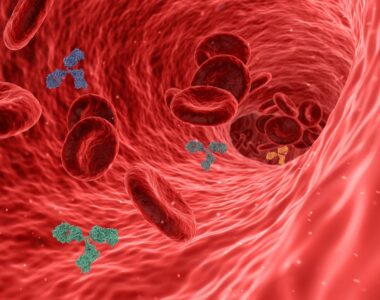
Active individuals, especially athletes, experience heightened physical stress, which can lead to immune system suppression. This phenomenon is often referred to as the ‘open window’ theory, where the immune system is temporarily weakened after intense exercise. Evidence suggests that incorporating probiotics into the daily regimen can provide significant protective benefits. Probiotics work by enhancing the gut barrier function, promoting the production of immunomodulatory compounds, and fostering an environment conducive to beneficial bacteria. Notably, certain strains like Lactobacillus and Bifidobacterium have been shown to boost immune responses. Moreover, probiotics may reduce inflammation and may act as an intervention to counteract the effects of stress on the immune system. For athletes, an optimal immune response is critical for performance and recovery, helping to maintain training schedules without interruption. Incorporating probiotic-rich foods such as yogurt, kefir, and fermented vegetables can be beneficial. Additionally, mindful supplementation may further reinforce immune health, especially during peak training seasons. Ultimately, proactive management of immune function using probiotics could provide active individuals with the resilience needed to excel.
Scientific Evidence on Probiotics
Research exploring the impact of probiotics on exercise-induced immunity has expanded significantly within the last decade. Clinical trials reveal that certain probiotic strains confer measurable improvements in immune health among active populations. Studies have shown that participants consuming probiotics demonstrated a reduction in upper respiratory infections, leading to fewer days off from training or competition. The anti-inflammatory properties of probiotics play a key role in this immune modulation, potentially counteracting the inflammatory markers that typically rise after extensive physical activity. Furthermore, research indicates that the benefits of probiotics can vary significantly depending on the specific strains used, the dosages administered, and the duration of consumption. The complexity of individual responses necessitates a tailored approach to supplementation. A systematic review examining multiple studies highlights the need for more standardized methodologies. This will improve our understanding of the precise mechanisms by which probiotics exert their immunomodulatory effects. The ongoing research opens exciting pathways for athletes seeking to maximize their health and performance through enhanced immune support devoid of harmful side effects typically associated with pharmaceuticals.
Beyond the physiological effects, the psychological state of athletes also plays a crucial role in their overall health and immune response. Engaging in intense physical activity can lead to increased stress levels, which may further compromise immunity. Probiotics are emerging as potential agents not only for physical enhancement but also for mental well-being. Some studies suggest a link between gut health and mental health, indicating that a balanced gut microbiota can ameliorate stress, anxiety, and depressive symptoms. This connection, known as the gut-brain axis, may suggest that probiotics could help mitigate the psychological impacts of rigorous training schedules. Therefore, for athletes seeking comprehensive wellness, considering both gut health and emotional resilience is essential. Ways to include probiotics could be through consistent dietary choices or convenient supplements. This holistic approach emphasizes not just the physical, but also the mental aspect of athletic performance. Implementing strategies that promote gut health could ultimately foster overall well-being, empowering individuals to thrive under competition conditions.
Types of Probiotics for Active Individuals
The market for probiotics has diversified significantly, offering various strains which target different health issues. For athletes and active individuals, certain strains are particularly beneficial in supporting immune health. For instance, Lactobacillus rhamnosus GG is known for its ability to reduce gastrointestinal illnesses, while Lactobacillus plantarum may enhance gut barrier function. Bifidobacterium species, such as Bifidobacterium lactis, are also supportive in promoting immune responses, especially during periods of high physical stress. When choosing probiotics, it’s important to consider the CFU count, ensuring sufficient levels to provide a beneficial effect. Additionally, the delivery system of the probiotic should be assessed; some supplements are designed for improved gut survivability. A balanced diet rich in prebiotics, which feed beneficial bacteria, can augment the effects of probiotics. Foods like bananas, onions, and garlic are excellent sources. Thus, a synergistic approach combining various strains of probiotics with prior sourced prebiotics can maximize immune benefits for active individuals, facilitating recovery and performance in their demanding activities.
Aside from supplementation, dietary habits significantly influence the efficacy of probiotics. Consuming a diverse array of whole, unprocessed foods can provide a substructure for a healthy gut microbiome. Fermented foods play an essential role in this aspect; options such as kimchi, sauerkraut, and kombucha are not just tastier additions but also serve as natural sources of probiotics. Furthermore, incorporating a variety of dietary fibers can enhance the survival and proliferation of the beneficial bacteria introduced via probiotics. The synergy between prebiotics and probiotics, often referred to as synbiotics, can bolster overall gut health. This combination can lead to improved digestion, enhanced nutrient absorption, and robust immune function. Staying hydrated also plays a vital role in maintaining a conducive environment for probiotics to thrive. Adequate water intake is crucial, especially during intense training sessions. Overall, active individuals can maximize the immune-supportive roles of probiotics through healthful eating practices, alongside targeted supplementation strategies tailored to their specific health and performance goals.
Conclusion: Investing in Immune Health
With the growing body of evidence supporting the role of probiotics in enhancing immune function, it becomes increasingly relevant for active individuals to incorporate them strategically into their lifestyle. A proactive approach to immune health, especially for athletes, is essential to withstand the rigors associated with training and competition. Understanding the distinct strains of probiotics and their unique benefits allows individuals to tailor their supplementation precisely to their needs. Ultimately, fostering a supportive diet rich in both probiotics and prebiotics coupled with a well-rounded training routine not only enriches immune responses but also enhances overall well-being. Monitoring gut health through dietary choices and adopting stress-management techniques will further support athletes’ health and performance. As more research unfolds, the application of probiotics in sports science continues to evolve, providing a valuable tool for sustaining health and optimizing athletic performance. In an era where maintaining a robust immune system is paramount, active individuals are encouraged to invest in their health through these insights into probiotics, paving the way for a healthier, more resilient lifestyle.