
Mind-Body Connection in Pilates and Spine Wellness
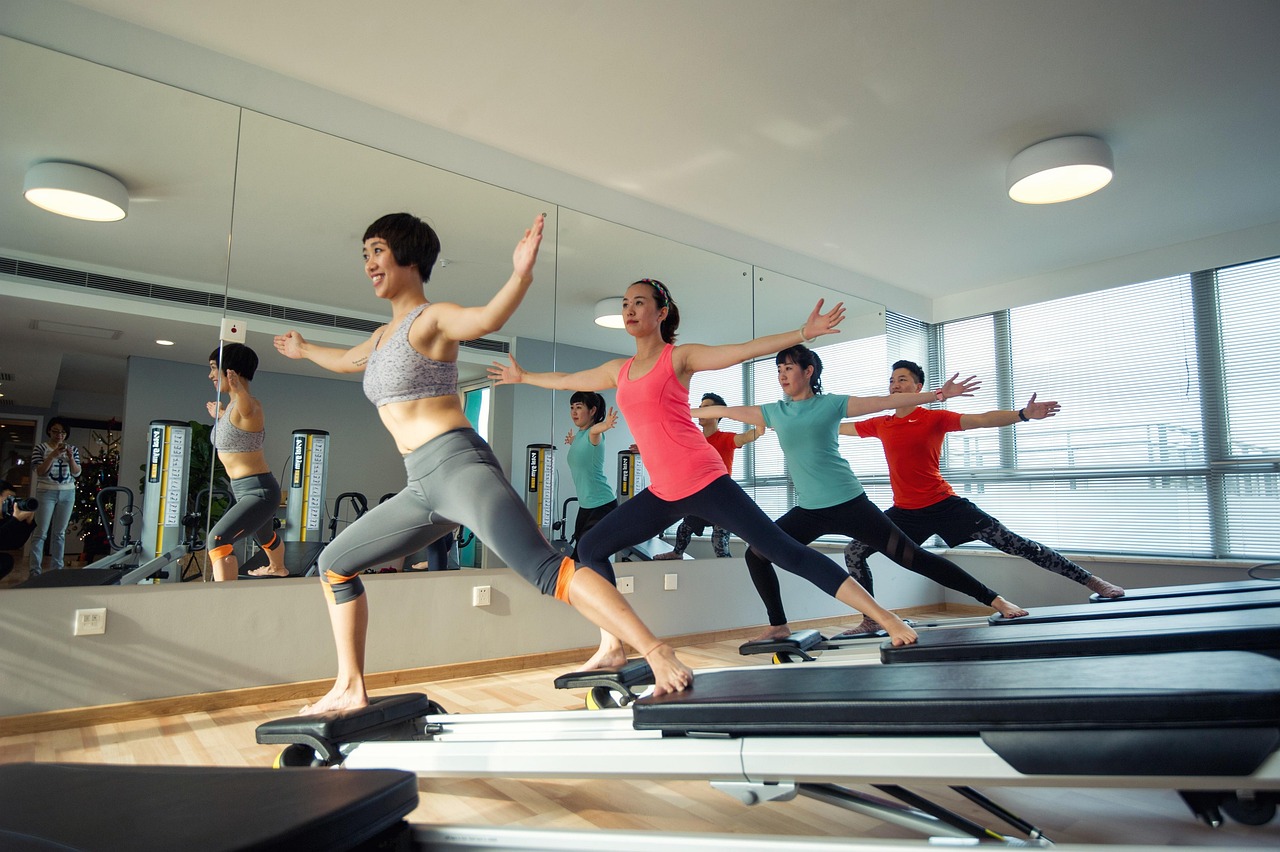
Pilates is a highly effective method for improving spine health by promoting good posture and enhancing the mind-body connection. The integration of breathing, controlled movements, and core engagement creates an environment ideal for strengthening back muscles. This holistic approach not only focuses on physical fitness but also encourages mental clarity and awareness. Practice can alleviate discomfort, enhance flexibility, and increase overall body awareness. Incorporating specific exercises strengthens the spine while promoting a healthy alignment. Ultimately, this leads to improved posture, which is essential for long-term spinal health. As practitioners become more attuned to their bodies, they can identify tension, restrictions, and imbalances, enabling them to address these issues proactively.
The fundamental principles of Pilates emphasize stability, strength, and control around the spine. This discipline engages deep core muscles, such as the transverse abdominis, which supports the lumbar region. As practitioners learn to stabilize their core, they create a solid foundation that encourages optimal spinal alignment. Consistent practice also helps improve awareness of body mechanics, allowing individuals to maintain a healthier posture throughout daily activities. Furthermore, the mindful approach inherent in Pilates cultivates a deeper connection between the mind and body. This connection ensures that the individual can navigate movements safely and effectively, reducing the risk of injuries or chronic pain. Over time, participants experience improved mobility and enhanced spinal wellness as they become more confident in their movements.
The Benefits of Pilates for Spine Health
Pilates offers numerous benefits for spine health by focusing on strengthening muscles that support the backbone. Improved muscle strength leads to better spinal alignment, which is crucial for individuals who suffer from chronic pain or discomfort. Enhancing flexibility also aids in maintaining proper spinal curvature, preventing restrictive movements that can lead to injury or strain. Furthermore, as practitioners engage in Pilates exercises, they learn to control their movements precisely, fostering a sense of balance and coordination. This heightened awareness translates to everyday activities, helping to alleviate strain and ensure proper biomechanics when lifting, sitting or standing. Regularly engaging in Pilates can positively impact an individual’s quality of life, allowing for more active and pain-free living.
In addition to physical benefits, Pilates encourages mental well-being through mindful movement. The practice fosters self-awareness, providing individuals with the tools to tune into their bodies and recognize when tension arises. This mindfulness cultivates a deeper connection to emotions and can lead to reduced stress levels. As practitioners become more attuned to their body mechanics, they may also gain insight into how their lifestyle choices affect their posture and overall health. This awareness serves as a catalyst for positive change, motivating individuals to adopt healthier habits that support spinal wellness. Engaging in Pilates can also promote relaxation, which further enhances its ability to improve both mental and physical health.
Essential Pilates Exercises for Spinal Alignment
There are several essential Pilates exercises focused on enhancing spinal alignment, such as the Cat-Cow stretch, Pelvic Curl, and the Spine Twist. The Cat-Cow helps improve flexibility while mobilizing the spine, promoting an effective range of motion. The Pelvic Curl activates the glutes and engages the core while supporting spinal alignment through movement. The Spine Twist, on the other hand, enhances rotation and back mobility, introducing dynamic movement that aids in proper posture. When performed consistently, these exercises can lead to improved body awareness, strength, and flexibility. Instructors can provide individualized guidance to ensure each practitioner benefits from proper form and alignment during each exercise, culminating in lasting improvements in spinal health.
As with any fitness regimen, consistency is crucial for achieving lasting effects from Pilates. Successfully incorporating these exercises into a weekly routine can lead to significant improvements in spinal strength and posture. Ideally, participants should aim for at least two to three sessions per week to experience the full benefits of Pilates. In addition to formal classes, individuals can also supplement their practice with at-home exercises or online tutorials. This flexibility and variety allow practitioners to engage with Pilates on their own terms, paving the way for a lifelong commitment to maintaining spine health. By embracing the principles of Pilates, individuals can make meaningful strides in their physical wellness as well as overall quality of life.
Conclusion: Transforming Spine Health Through Pilates
In conclusion, Pilates serves as a valuable tool for individuals seeking to enhance their spine health through a structured mind-body connection. By focusing on strengthening the core, improving posture, and promoting mindful movement, practitioners can transform their overall well-being. The principles of Pilates highlight the importance of body awareness and informed movement, leading to improved spinal stability and alignment. Regular practice not only fosters physical strength but also encourages mental clarity and emotional resilience. As individuals embrace the benefits of Pilates, they will experience increased flexibility, reduced pain, and enhanced quality of life, ultimately leading to long-lasting improvements in their spinal health and wellness.
Pilates is a highly effective method for improving spine health by promoting good posture and enhancing the mind-body connection. The integration of breathing, controlled movements, and core engagement creates an environment ideal for strengthening back muscles. This holistic approach not only focuses on physical fitness but also encourages mental clarity and awareness. Practice can alleviate discomfort, enhance flexibility, and increase overall body awareness. Incorporating specific exercises strengthens the spine while promoting a healthy alignment. Ultimately, this leads to improved posture, which is essential for long-term spinal health. As practitioners become more attuned to their bodies, they can identify tension, restrictions, and imbalances, enabling them to address these issues proactively.