
The Impact of Skate Parks on Local Communities
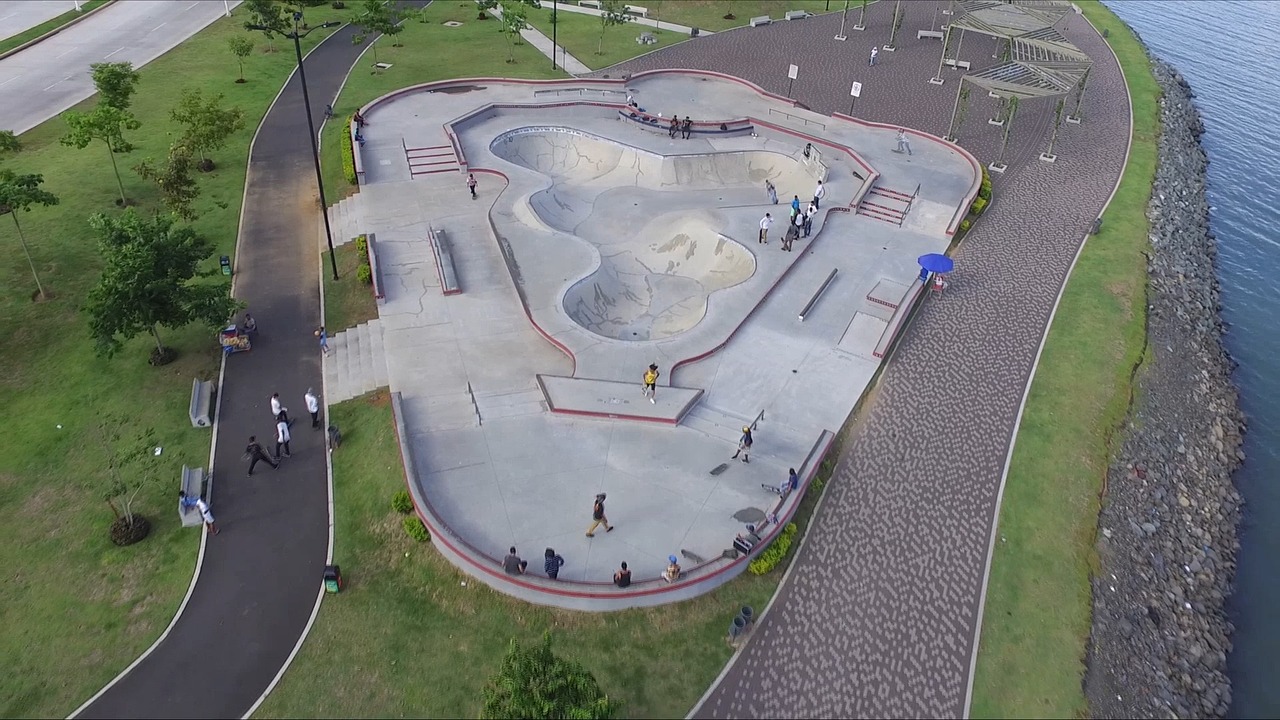
Skate parks play a significant role in transforming local communities by providing dedicated spaces for skateboarding and inline skating. These parks are not just recreational areas; they promote physical activity, fostering healthier lifestyles among community members. Many parks feature ramps, rails, and a variety of terrains that cater to different skill levels, making them inclusive and welcoming. The increased interest in skate parks can also enhance community engagement. Events and competitions hosted at these parks bring locals together, creating a sense of belonging. Furthermore, local businesses often benefit from the influx of visitors, who may patronize neighboring stores and eateries. This economic boost can stimulate growth in the area, leading to job creation and development. Additionally, skate parks serve as constructive outlets for youth, steering them away from negative behaviors by giving them a place to channel their energy and creativity. In this way, skate parks not only provide fun but also contribute positively to community dynamics, helping to build friendships and encourage teamwork. The presence of skate parks cultivates a vibrant community where both residents and visitors feel a sense of pride and ownership.
Community Engagement Through Skate Parks
Engagement is a critical factor in building strong communities, and skate parks excel in this area by bringing people together across various ages and backgrounds. When skate parks are developed, they often involve community input, allowing locals to express their desires and preferences for features. From design to the selection of amenities, incorporating feedback furthers a sense of ownership among community members, fostering pride in the space. Moreover, skating events, such as competitions or exhibitions, often attract spectators and participants alike, creating a festive atmosphere. These gatherings forge relationships among participants and attendees, enhancing community bonds. Youth initiatives can flourish in these vibrant environments, as they provide mentorship opportunities through experienced skaters sharing their skills. With the parks attracting newcomers, they function as social hubs, enabling friendships to form naturally. Additionally, these community-focused activities highlight collaboration with local organizations, schools, and recreational programs, fostering unity. Skate parks also encourage volunteerism, as enthusiasts and residents often come together to organize events or maintain the facilities, strengthening the community. By promoting shared experiences and activities, skate parks significantly contribute to enhancing community engagement and connectivity.
Another notable benefit of skate parks is their role in reducing crime and anti-social behavior among youth. When children and teenagers are engaged in productive activities, they are less likely to find themselves involved in negative behaviors. Skate parks provide a safe and supervised environment for local kids, allowing them to interact socially and develop friendships in a constructive manner. Furthermore, these spaces help to deter vandalism and other forms of delinquency by redirecting energies towards constructive outlets like sports and hobbies. Hosting skate competitions and events can also discourage negative activities by providing thrilling, positive alternatives. Young people invested in the park’s facilities are less likely to engage in crime and more likely to become community leaders in the future. Skate parks often serve as educational platforms where older skaters mentor younger ones, sharing essential skills. These relationships help reinforce positive behaviors and community values, ensuring that youth feel valued and connected. The long-term impact of this can create a healthier, safer community environment where everyone thrives. Overall, when communities invest in skate parks and encourage youth involvement, they cultivate spaces that promote positive development while reducing potential problems.
Economic Benefits of Skate Parks
Skate parks contribute not only to cultural and social aspects of communities but also to their economic well-being. When skate parks are established, they often draw enthusiasts from neighboring areas, leading to increased foot traffic in the vicinity. Local businesses, including cafes, shops, and restaurants, experience financial benefits from the additional customers attracted by the parks. Moreover, skate parks can serve as venues for local events, competitions, or festivals that encourage participation from various regions, further enhancing economic activity. Event organizers may require permits, equipment rentals, and services, resulting in a windfall for local suppliers and service providers. Children and adolescents who engage in skateboarding and inline skating often influence their families to visit nearby facilities, resulting in dining and shopping expenditures. Additionally, nearby infrastructure improvements may occur to accommodate increased activity, benefiting the community. Municipal governments may recognize the economic potential of skate parks and invest in them, creating jobs and stimulating local development. Overall, the economic benefits of skate parks extend beyond merely providing recreational opportunities; they become critical components of a thriving community economy, fostering growth and resilience.
Skate parks also play a multifaceted role in promoting inclusivity and diversity within communities. These parks are typically open to everyone, regardless of age, gender, or social background, encouraging participation from a variety of individuals. Many skate parks actively promote accessibility features, such as ramps designed for individuals with disabilities, allowing those who may otherwise face barriers to enjoy skating. This inclusivity fosters a welcoming atmosphere, where people from diverse backgrounds can connect, share experiences, and build friendships. Furthermore, many skate parks host culturally diverse events like skate competitions showcasing talents from skaters of all backgrounds. Such initiatives break down social barriers and create a more unified community. The culture surrounding skateboarding and inline skating is founded upon creativity, individual expression, and supportive relationships, all of which cultivate acceptance and appreciation of differences. This creates a positive environment where participants support each other’s growth and celebrate unique skill sets. Thus, skate parks become integral in shaping inclusive communities where diversity is celebrated, leading to personal growth and mutual understanding among residents and visitors.
Promoting a Healthy Lifestyle
In addition to fostering community spirit and inclusivity, skate parks encourage the adoption of healthier lifestyles among local residents. Skateboarding and inline skating are excellent forms of cardiovascular exercise, which is essential for overall well-being. Engaging in these sports requires physical strength, balance, and agility, enabling participants to build core strength and enhance their coordination. Regular participation in these activities at skate parks helps increase fitness levels, contributing to a decrease in obesity and related health problems. Skate parks also provide platforms for learning about safety, as participants must adopt protective gear such as helmets and pads. This emphasis on safety promotes a culture of risk awareness and injury prevention, encouraging participants to prioritize their health. Furthermore, these parks often serve as spaces for organized activities, classes, and clinics, where skilled skaters can share their knowledge with newcomers. By fostering a nurturing environment for fitness, skate parks inspire individuals to adopt active lifestyles that can positively impact their overall quality of life. These healthy habits can lead to long-lasting benefits for individuals and the community as a whole, motivating residents to engage in physical activities beyond skating.
Lastly, the community impact of skate parks can extend to educational aspects, as they often become venues for workshops and learning opportunities. Many parks collaborate with local schools and organizations to offer programs that focus on skateboarding, inline skating, and other facets of extreme sports. These initiatives can include skills clinics, safety workshops, and training sessions that promote physical activity and personal development. Participants can learn important life skills, such as discipline, perseverance, and teamwork while engaging in fun and exciting activities. Furthermore, skate parks can serve as platforms for educating the community about the benefits of physical fitness and well-being, inspiring younger generations to be more active. Collaborations between parks and local educational institutions can lead to community events that celebrate both sports and arts, fostering creativity and collaborative initiatives. As skateboarding continues to gain popularity, educational resources tailored to these communities can help provide essential information that promotes sportsmanship and community values through engaging activities. Therefore, the educational potential of skate parks can significantly enrich local communities, enhancing understanding and appreciation of the sport while fostering a deeper connection among skaters.