
Biomechanics Assessment in Triathlon Coaching
Biomechanics assessment plays a crucial role in optimizing performance in triathlon coaching. It involves analyzing the movement patterns and mechanical aspects of athletes during the swim, bike, and run phases. By using tools like motion capture and force plates, coaches can identify inefficiencies in an athlete’s form. This assessment helps in pinpointing specific areas that can be improved to enhance performance. Additionally, biomechanics evaluation can reveal potential injury risks associated with improper techniques. Through targeted training interventions based on the findings, athletes can adjust their movements to improve efficiency while reducing the risk of injury. The information gathered during biomechanics assessments can also help coaches develop tailored training plans that focus on the unique physiological demands of each athlete. By integrating biomechanics into training programs, triathlon coaches can ensure their athletes reach peak performance levels while maintaining health and longevity in the sport. Ultimately, biomechanics assessment not only enhances the training process but also contributes to the overall success of triathlon athletes in both competitive and recreational contexts. Such assessments provide valuable insights that lead to improved outcomes in the physically demanding and multifaceted triathlon discipline.
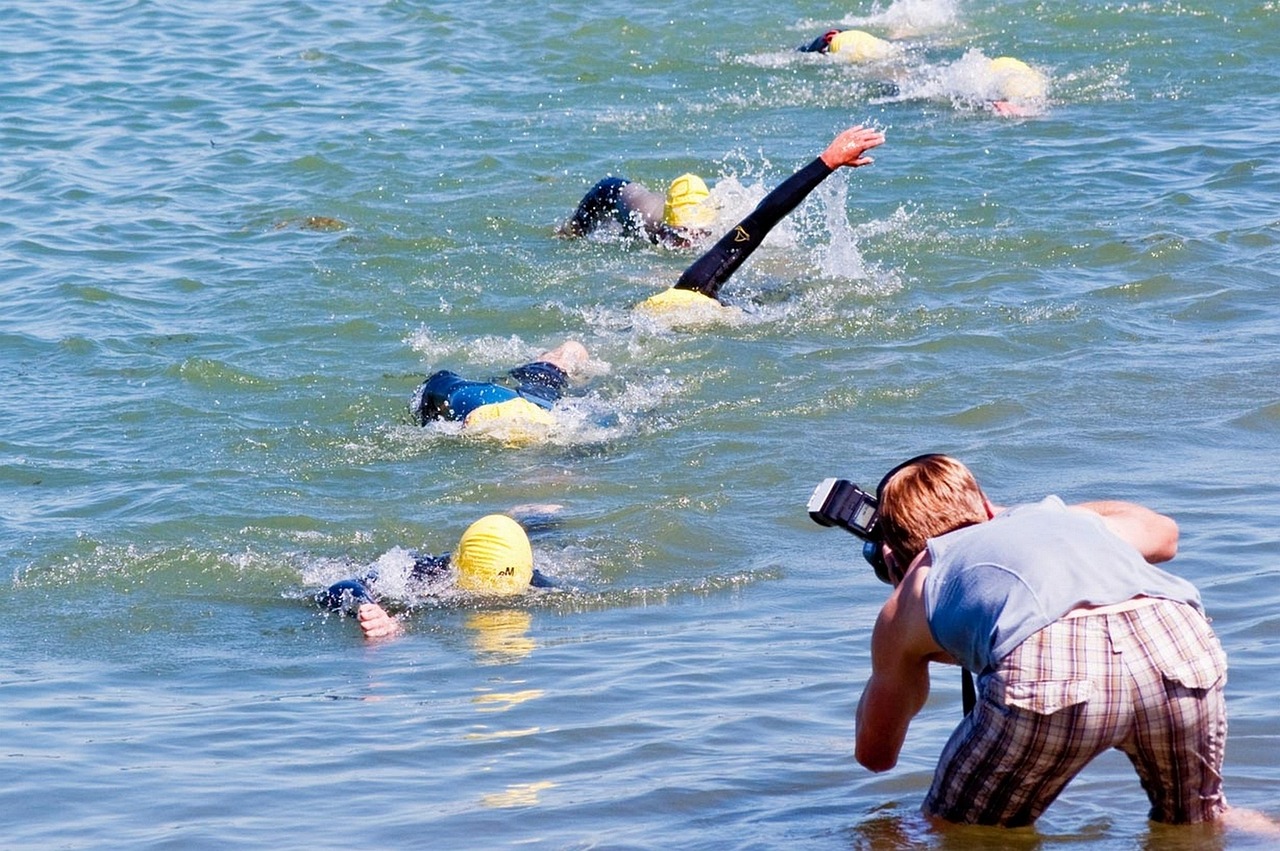
In order to conduct effective biomechanics assessments, triathlon coaches should focus on several key components. First, an evaluation of swim technique must be prioritized. This involves examining stroke mechanics, body position, and breathing patterns. By identifying areas for improvement, coaches can implement drills and adjustments to help swimmers become more efficient. Next, the cycling phase necessitates an assessment of pedaling technique and body positioning on the bike. The analysis can help determine optimal bike setup, including saddle height and cleat positioning. Lastly, analyzing running form is essential for the triathlon athlete. Areas to focus on include stride length, foot strike, and overall running economy. By understanding the biomechanics of each segment of a triathlon, coaches can create a comprehensive assessment protocol. Additionally, incorporating athlete feedback throughout the assessment process fosters communication and collaboration, leading to more effective coaching strategies. Regular reassessment is also critical as athletes improve and their needs evolve. Periodic evaluations ensure that training remains aligned with athletes’ goals, physiology, and biomechanics. This holistic approach ultimately contributes to enhancing the performance of triathletes.
Tools and Technologies in Biomechanics
Advancements in technology have significantly enhanced biomechanics assessment in triathlon coaching. One of the most valuable tools available is motion analysis software that captures athlete movements in real time. By integrating video capture and analysis, coaches can assess an athlete’s biomechanics in slow motion, which allows for detailed insights into swimming, cycling, and running movements. Another essential technology is wearable devices, such as GPS units and accelerometers, which provide critical data on performance metrics, including speed, distance, and cadence. This data, when combined with biomechanical assessments, enables coaches to gain a deeper understanding of their athletes’ physical capabilities and limitations. Force plates and pressure sensors are also invaluable for analyzing ground reaction forces during running. Furthermore, 3D modeling tools help visualize athlete biomechanics and simulate different movement scenarios. All these tools combined provide a comprehensive toolkit for triathlon coaches seeking to optimize athlete performance. By leveraging technology effectively, coaches can gain actionable insights that inform their training strategies. As these technologies continue to advance, the potential for enhancing athlete performance through biomechanics also expands, leading to further achievements in the sport.
Proper interpretation of biomechanics data is essential for coaches to construct effective training interventions. Understanding the results from assessments helps in identifying not just areas for improvement but also an athlete’s strengths. In addition, it enables coaches to tailor their communication style to effectively engage with different athlete personalities. Some may respond better to heavy criticism, while others may thrive on motivation and encouragement. Clearly identifying these differences can enhance the effectiveness of coaching. Furthermore, utilizing the data gained from biomechanics assessments provides a scientific basis for necessary changes in technique and training. Coaches must also consider the athlete’s psychological aspects, as mindset can significantly influence performance. Incorporating mental training strategies alongside biomechanical insights helps develop a well-rounded coaching plan. Ultimately, the successful integration of this information allows athletes to understand their bodies better and fosters a sense of ownership over their training. Encouraging athletes to take part in the learning process can lead to a more engaged and motivated individual. This collaboration leads to improved performance over time, ensuring that athletes are equipped to tackle the various challenges presented in triathlon competitions.
Challenges in Biomechanics Assessment
Although biomechanics assessment offers substantial benefits, several challenges exist that coaches must navigate. One significant hurdle is the initial financial investment in biomechanics technology and tools. Many coaches may find that high-quality motion captures or force plates can be expensive, which may not be feasible for all triathlon programs. Moreover, not all regions have access to state-of-the-art biomechanics facilities, creating disparities in training opportunities. There is also a significant learning curve associated with utilizing biomechanics data effectively. Coaches must possess the knowledge and skills to interpret this data accurately to translate it into actionable insights. Ensuring consistent data collection and analysis can be labor-intensive and time-consuming, impacting coaching schedules. Additionally, athlete buy-in is essential for the success of biomechanics assessments. Athletes must trust the process, and when they understand the value of these assessments, they are more likely to embrace training adjustments. Furthermore, individual variability in athlete biomechanics can complicate assessments; a one-size-fits-all approach may not yield the best results. Recognizing these challenges is critical to successfully implement biomechanics assessments in triathlon coaching.
Future advancements in biomechanics assessment could completely revolutionize the field of triathlon coaching. As technology continues to evolve, new tools will likely emerge, improving the precision and ease of biomechanics evaluations. Emerging technologies like artificial intelligence and machine learning may allow for real-time feedback that coaches and athletes can use during training sessions. These tools can not only automate the biomechanical analysis process but also offer predictive insights about performance improvements over time. Furthermore, more accessible biomechanics solutions might become available, allowing more coaches to implement assessments within their training programs. The integration of virtual reality and augmented reality could also enhance biomechanics education. These technologies could simulate various triathlon scenarios, providing athletes with immersive learning experiences. As biomechanics research continues evolving, the implementation of evidence-based practices will have profound effects on training strategies. Collaboration between coaches, sports scientists, and technology developers will be essential to drive these advancements. By staying at the forefront of biomechanics developments, triathlon coaches will play a pivotal role in shaping the future of the sport and the athletes they mentor.
Conclusion
In conclusion, biomechanics assessment is an invaluable aspect of triathlon coaching that serves to enhance performance and prevent injuries. By utilizing the right tools and technologies, coaches can assess athletes’ movements in a comprehensive manner. The insights gained through these assessments are essential for creating tailored training plans that focus on individual needs and strengths. Collaboration between athletes and coaches ensures that the training approach remains relevant and effective. While challenges exist, future advancements hold the potential to further improve biomechanics assessments and their application to triathlon coaching. Continual education and adaptation are paramount in maximizing the benefits of biomechanics to achieve optimal results. Ultimately, the integration of biomechanics in training not only helps athletes excel in competition, but also fosters a deeper understanding of their bodies and capacities. By emphasizing evidence-based practices, coaches can cultivate environments where athletes thrive and succeed long-term. The commitment to incorporating biomechanics continues to be paramount in refining the complexities of triathlon coaching. Athletes, supported by scientifically-informed coaching, can unlock their fullest potential.
Whether you’re a recreational triathlete or an elite competitor, understanding the role of biomechanics in your training can lead to significant improvements. Engage with your coach to explore biomechanical assessments and how they can benefit your personal goals in the sport. Prioritize your health and longevity by embracing this scientific approach to training, and you may find the insights gained through these evaluations will allow you to perform at your best.