
How Much Water Should You Drink During Exercise?
Staying hydrated during exercise is crucial for optimal performance and overall health. Water aids in regulating body temperature, lubricating joints, and transporting nutrients to cells. Moreover, adequate hydration supports cardiovascular functions and can help prevent fatigue. So, how much water should you drink while exercising? The amount can depend on various factors such as the intensity of the exercise, the climate, and your individual needs. A general guideline suggests drinking about 17 to 20 ounces of water two hours before exercising. Then, consuming 8 ounces of water every 20 minutes during the workout can be beneficial for maintaining hydration levels. In high-intensity workouts or hot environments, you may need to adjust your fluid intake accordingly. It’s essential also to listen to your body’s signals to determine when and how much to drink. Other factors, like your individual sweat rates and exercise duration, can influence your hydration needs, making it essential to tailor your strategy to fit your specific requirements.
Electrolytes play a significant role in hydration and should not be overlooked. When exercising, especially during longer sessions, your body loses essential electrolytes, such as sodium, potassium, and magnesium, through sweat. These electrolytes help regulate fluid balance, muscle contractions, and nerve function. Therefore, adding electrolyte-enhanced drinks to your hydration routine can replenish lost minerals. It is particularly crucial in endurance sports, where prolonged sweat loss may lead to dehydration and subsequent performance declines. Sports drinks can also provide quick energy sources through carbohydrates, aiding in performance. However, a well-balanced diet rich in fruits and vegetables can also supply these essential nutrients. Opting for electrolyte drinks should be based on your exercise intensity, duration, and personal preferences. Consumption of tablets or powders designed to rehydrate is another possibility. Consuming fluids that contain electrolytes can be a great way to maintain hydration while exercising vigorously. Determine the type of hydration mix that best suits your needs based on your sweat level, workout duration, and taste preferences.
Signs of Dehydration
Recognizing the signs of dehydration is vital to ensure you maintain optimal hydration levels during exercise. Early symptoms can include increased thirst, dry mouth, and fatigue. As dehydration escalates, you may notice dark urine, dizziness, or decreased athletic performance. Your ability to concentrate may also be impaired, affecting your workout quality. In some severe cases, prolonged dehydration can result in heat exhaustion or heat stroke, making awareness critical. Dehydration’s effects can occur even after losing just a couple of percent of body weight. To prevent dehydration, regularly monitor your fluid intake and check for signs during physical activity. One common method is to pay attention to your urine color; light yellow typically indicates proper hydration, while darker hues may signal a need for more fluids. Staying updated about how your body feels and reacts during exercise will help you optimize your hydration process. Striving for consistency in fluid intake before, during, and after exercise ensures you stay well-hydrated and can enjoy the benefits of consistent hydration for long-lasting performance.
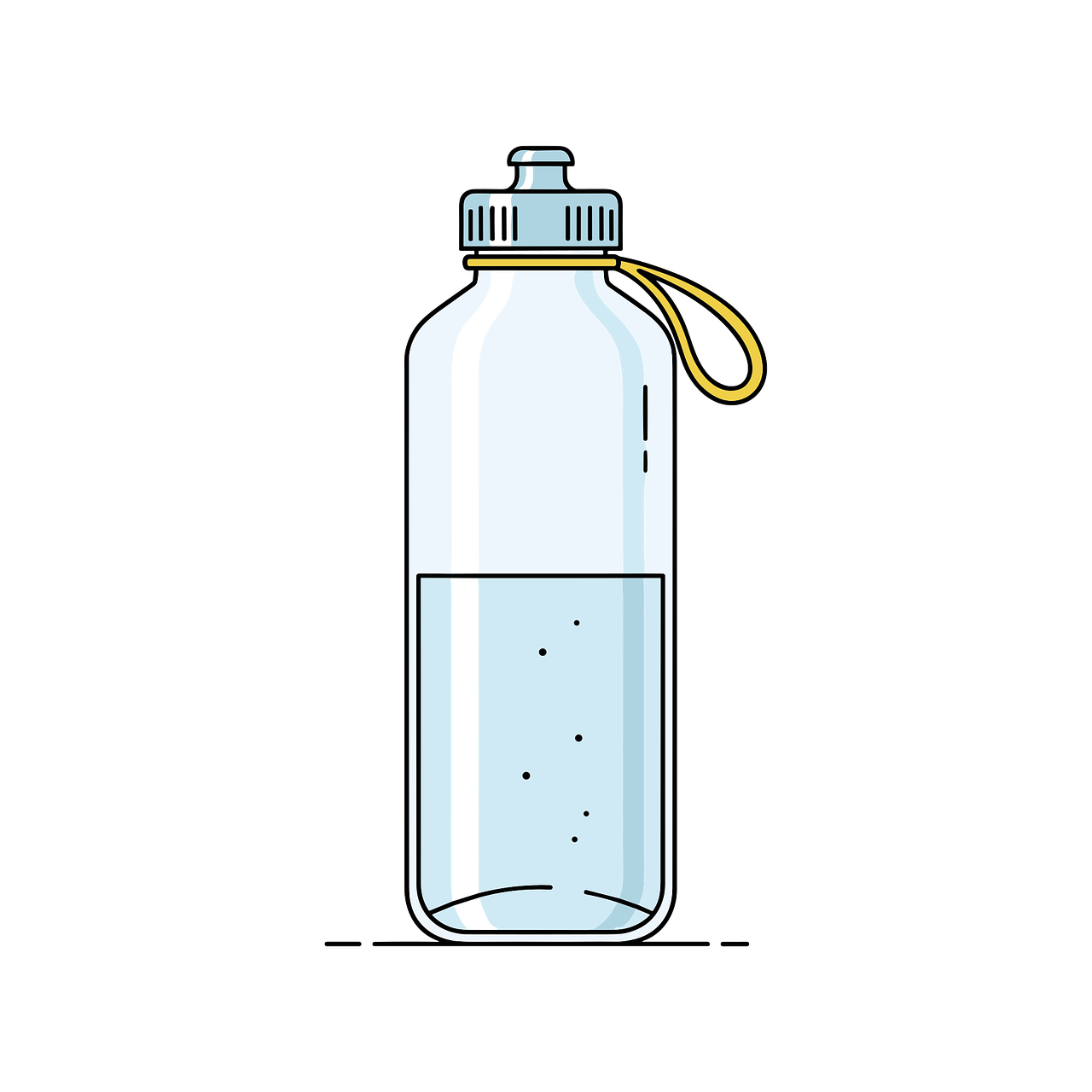
Moreover, the timing of your water intake can also impact your performance. Consuming enough fluids not just before but also throughout the exercise session is crucial for maintaining hydration levels. For activities lasting longer than an hour, consider small frequent sips rather than large gulps at once. This method allows your body to absorb fluids more efficiently, promoting better hydration status. For many, bringing a bottle during workouts is a useful reminder to drink regularly. Creating a habit of drinking fluids every 15-20 minutes can greatly enhance your hydration routine. If exercising in high heat or elevated altitudes, be particularly diligent about your water consumption. Additionally, tracking your weight changes before and after workouts can also provide valuable information about how much fluid you need to replenish. Calibrating your hydration strategy is essential, which may involve customizing your routine as you gain experience and gather knowledge about your body’s unique needs.
Hydration for Different Types of Exercises
The type of exercise you engage in also significantly influences your hydration needs. For example, aerobic activities, such as running or cycling, generally result in higher fluid losses due to sweat production. Conversely, anaerobic exercises, including weightlifting, may require less fluid during the workout, but staying hydrated is equally important. Consider adjusting your hydration strategy based on whether you are engaging in high-intensity interval training, endurance cycling, or yoga sessions. Activities lasting over an hour, particularly in warmer conditions, necessitate more frequent hydration breaks. Understanding how your body reacts during various exercises helps fine-tune your hydration efforts. Don’t overlook how hydration affects muscle recovery; adequate water intake supports muscle repair and reduces soreness post-workout. Suitable nutrition and hydration practices working hand in hand enable you to maintain performance levels while participating in any physical activity. Learning to adapt your approach to hydration can lead to more sustained progress in your fitness journey. Tailor your hydration plan to align with your unique exercise style and objectives for effective results.
Post-exercise hydration is just as essential as pre- and during-exercise hydration. After finishing your workout, rehydrating properly helps accelerate recovery, decrease muscle soreness, and replenish energy stores. Consider consuming at least 16-24 ounces of water or sports drink for each pound lost during exercise. This replenishing mechanism stabilizes fluid levels within your body after physical exertion. Combining fluid intake with a balanced meal that includes carbohydrates and proteins also aids in recovery. Be cautious, though; consuming excessive fluids immediately after exercise can lead to discomfort or even nausea. It’s generally advisable to let your body guide you back to a normal hydration state gradually. Remember to account for the environment in which you exercised, as hot and humid conditions will demand greater fluid replenishment. An effective post-workout hydration strategy promotes muscle recovery while minimizing fatigue, allowing you to get back on track for your next workout session. Always listen to your body’s signals and adjust your post-exercise hydration plan accordingly for optimal results.
Conclusion: Stay Hydrated
In summary, staying hydrated throughout your exercise routine is crucial to promoting optimal athletic performance and well-being. Water plays an essential role by supporting various bodily functions, from regulating temperature to transporting vital nutrients. Establish a hydration strategy personalized to your needs and goals, considering various factors like exercise type, intensity, and duration. Listen to your body and adjust your fluid intake accordingly, recognizing common signs of dehydration. Integrate electrolytes into your drinks when necessary, especially during prolonged workouts. Also, be mindful of how timing and hydration before, during, and after exercise affect your overall fitness. Remember that hydration is a continuous process, and staying aware of your intake while exercising will yield numerous benefits. Developing good hydration habits will enhance enjoyment, performance, and recovery to ensure long-term success in your fitness journey. By following these guidelines, you can maintain optimal hydration levels, maximizing your capacity to succeed in every workout. Prioritize your hydration for improved health, wellness, and longevity in your athletic pursuits.
By incorporating these practices into your routine, you can achieve a balanced hydration strategy that aligns with your unique fitness goals and lifestyle. Experiment with what works best for you, and don’t hesitate to consult a healthcare professional if unsure about hydration during exercise. The key to optimal performance lies in being proactive about your fluid intake and continually monitoring your body’s signals. Engage with your fitness community to share tips on hydration strategies and experiences. Celebrate your achievements as you work towards your fitness goals, confident in your hydration practices. A well-planned hydration routine will not only enhance your exercise experience but also promote overall well-being. Remember, staying hydrated is not just important during physical activities but also throughout the day. Drink enough water regularly to maintain hydration levels. Investing time in understanding your hydration needs will benefit your performance and your health for years. Make hydration a priority in your exercise regimen and observe the remarkable benefits it brings to your overall health and fitness journey.