
The Importance of Safety Gear in Boxing
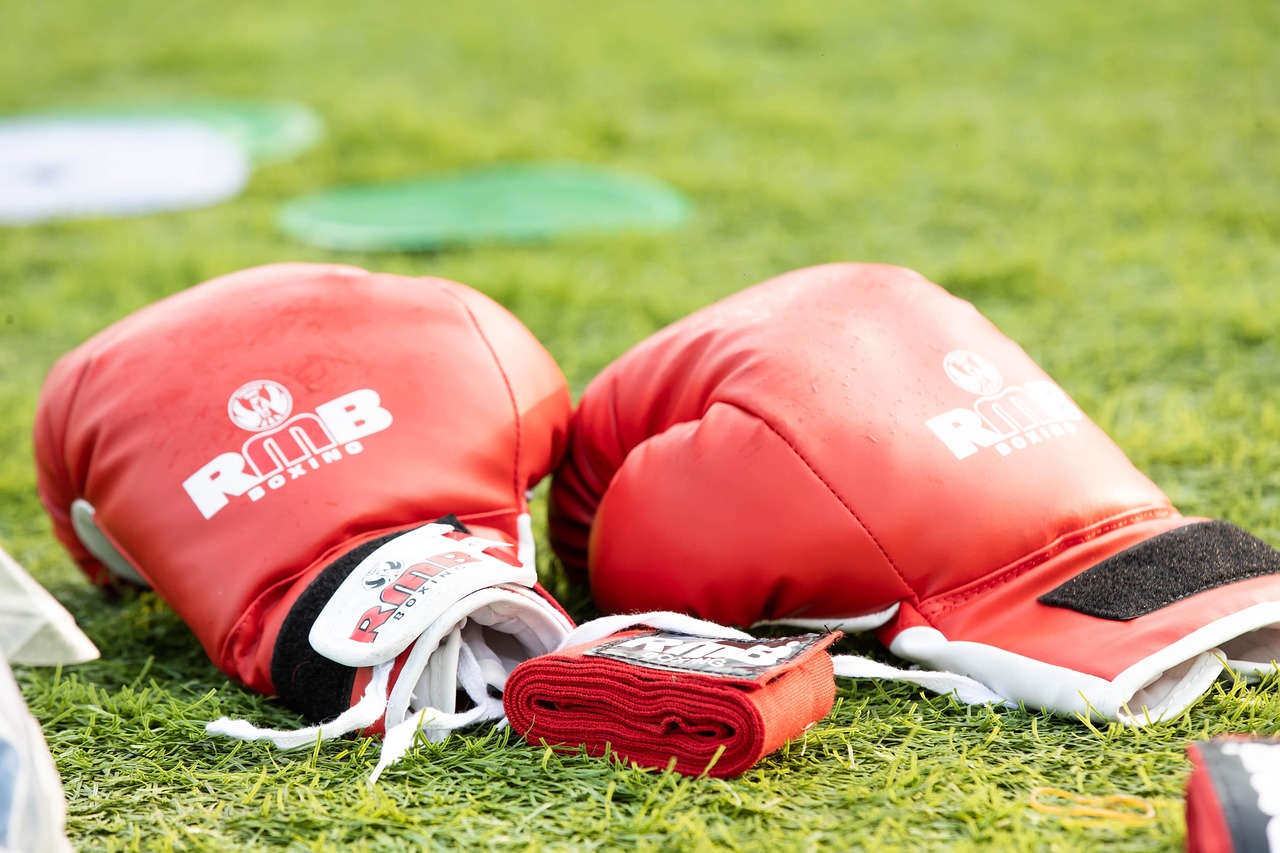
Safety gear in boxing is not just an accessory; it plays an essential role in ensuring the protection of fighters during training and competitions. Properly chosen equipment can mitigate the risk of injury significantly. One of the key pieces of safety gear is the boxing glove, which protects both the boxer’s hands and the opponent from severe injuries. Gloves come in various weights and sizes, and it is crucial to choose the right type that fits properly. Additionally, hand wraps serve to secure the wrist and knuckles, providing extra cushioning. Headgear is another important component and is often worn during sparring sessions. It protects the head and face from impact, enabling boxers to practice effectively without significant risk. Other gear includes mouthguards to shield the teeth and a groin protector for male fighters. Safety gear should never be ignored as it is vital for the longevity of a boxer’s career. Investing in high-quality gear is not just a matter of safety; it’s about maintaining one’s health for a successful boxing journey.
Aside from personal protection, wearing safety gear in boxing also promotes a culture of safety within the sport. When boxers see their peers utilizing proper equipment, it encourages them to adopt the same practices. This culture is vital in reducing the overall injury rates among amateur and professional levels. Boxing organizations and clubs often have regulations regarding the mandatory use of specific safety equipment. These regulations ensure that all participants understand the importance of protecting themselves and their opponents. Moreover, standardized equipment sets a level playing field for contestants, minimizing advantages that might come from varying levels of gear quality. Coaches also emphasize the importance of gear during training, as they recognize the potential dangers of head injuries and fractures in the sport. With the right equipment, boxers can focus more on technique and strategy rather than worrying about sustaining injuries. Ultimately, the commitment to safety reflects the maturity of the sport itself. By integrating the mandatory use of safety gear, boxing can maintain its competitiveness while prioritizing well-being.
Types of Safety Gear
The variety of safety gear available to boxers is vast, each piece serving a unique function. Boxing gloves are essential for anyone stepping into the ring; they come in various styles, from training gloves to competition types. Training gloves offer more padding to protect the hands during extensive practice sessions, while competition gloves are lighter but provide less padding. Proper hand wraps are crucial for securing the wrist and knuckles, ensuring that the hands remain safe from damage. Besides gloves, protective headgear is vital, especially during sparring where the impact can be unpredictable. It assists in absorbing shock and protects the vulnerable areas of the head and face. Mouthguards are another fundamental piece of safety gear; they prevent dental injuries during bouts. They need to fit correctly to be effective. Additionally, body protection such as chest guards and groin protectors can also significantly reduce the risk of injury. Each piece contributes to the overall safety and should be chosen carefully, highlighting the importance of investing in quality gear that meets safety standards.
Moreover, safety gear facilitates better performance in terms of focus and confidence. Boxers who wear appropriate protective equipment tend to feel more secure when engaging in sparring and competitions. The psychological aspect of feeling safe cannot be overlooked in a sport that is as physically demanding as boxing. Knowing they are adequately protected allows boxers to train harder and refine their techniques without the constant fear of injury. This mental reassurance can lead to more successful training outcomes. Additionally, this safety gear becomes crucial during tournaments or matches, where the stakes are high. Participants must exhibit peak performance without the worry of sustaining injuries that could affect their careers. Proper gear allows athletes to avoid distractions during matches, enabling them to concentrate on strategies and their opponent. In turn, this helps athletes perform at their best level. The peace of mind that comes from wearing trusted equipment enhances an athlete’s experience in the ring. Access to proper gear can markedly influence a boxer’s training regimen and overall enjoyment of the sport.
Maintenance of Safety Gear
Maintaining safety gear is equally important as using it correctly. Ensuring that the gear is in good condition can prevent unexpected mishaps during training or competitions. For instance, boxing gloves should be regularly inspected for wear and tear. Any visible damage should prompt immediate replacement to prevent injuries. Furthermore, hand wraps should be washed after each use to ensure hygiene. Dirty wraps can harbor bacteria that could lead to infections. Similarly, headgear should be cleaned thoroughly after sparring sessions to eliminate sweat and bacteria build-up. Mouthguards, being in direct contact with the mouth, require regular cleaning and sanitization as well. To ensure longevity, proper storage of equipment also matters. Gear should be kept in a cool, dry place, away from direct sunlight and moisture to avoid deterioration. Regular maintenance routines not only promote safety but also enhance the gear’s lifespan. By adhering to strict maintenance schedules, boxers can ensure their safety gear remains reliable throughout their training and competitive periods, thus safeguarding their health in the long term.
Another crucial aspect of safety in boxing is education about the correct use of gear. Boxers, especially beginners, must be informed about how to wear their safety equipment properly. Coaches and trainers play a vital role in educating their athletes on not only selecting the correct gear but also how to maintain it accurately. Understanding the functionality of each piece enhances the overall safety experience. Discomfort or improper fit can lead to additional risk during fights, undermining the armor that safety gear provides. Proper education also includes recognizing when to replace gear like gloves and headgear. When gear starts to lose its effectiveness due to wear, athletes must be aware of the impacts on their safety. A solid understanding of when to invest in new gear is necessary for all boxers. This type of education improves long-term safety outcomes within the sport. It fosters a collective responsibility among fighters, coaches, and trainers to prioritize safety as an integral part of boxing. Ultimately, comprehensive education ensures the sport remains safe for all involved.
Conclusion: Embracing Safety in Boxing
In conclusion, the importance of safety gear in boxing cannot be overstated. Its role in reducing injuries and promoting a culture of safety is indispensable. By utilizing the right equipment, boxers can train effectively while minimizing risks, allowing them to focus on improving their skills without fear. The various types of safety gear, including gloves, headgear, mouthguards, and wraps, all contribute significantly to a boxer’s overall health and career longevity. Regular maintenance of this equipment along with proper education about its use ensures ongoing safety within the sport. Moreover, embracing safety gear fosters a supportive environment for newcomers to boxing, encouraging lasting participation. Safety gear should function as a cornerstone of the boxing experience. By investing in quality equipment and committing to its maintenance, boxers can safeguard their health and continue their love for the sport long-term. Both amateur and professional fighters benefit immensely when safety practices are prioritized, establishing a secure and enjoyable athletic experience. Ultimately, with the right approach to safety gear, boxing can thrive as a sport while protecting its most valuable assets: the athletes.
The significance of having the right safety measures in boxing is a topic worth repeating. As the sport continues to grow in popularity, so will the emphasis on safety. Proper investment in equipment educates athletes about the boundaries of training and competition. Safety gear has the power to make boxing not only safer but also more enjoyable. The culture surrounding boxing can shift positively when all participants commit to safe practices. As technology improves, so does the gear available for purchase, providing better protection than before. Boxers across the globe should take advantage of advancements in safety equipment and ensure it meets safety standards. The collaborative effort of fighters, trainers, and manufacturers is essential for spreading awareness about safety. This dialogue ultimately leads to a collective approach in enhancing safety practices. As athletes keep pursuing excellence in boxing, safety should remain an uncompromised priority woven into the sport’s fabric. By adhering to proper safety protocols and wearing the necessary gear, boxers can confidently strive for greatness while minimizing the risks that come with the sport.