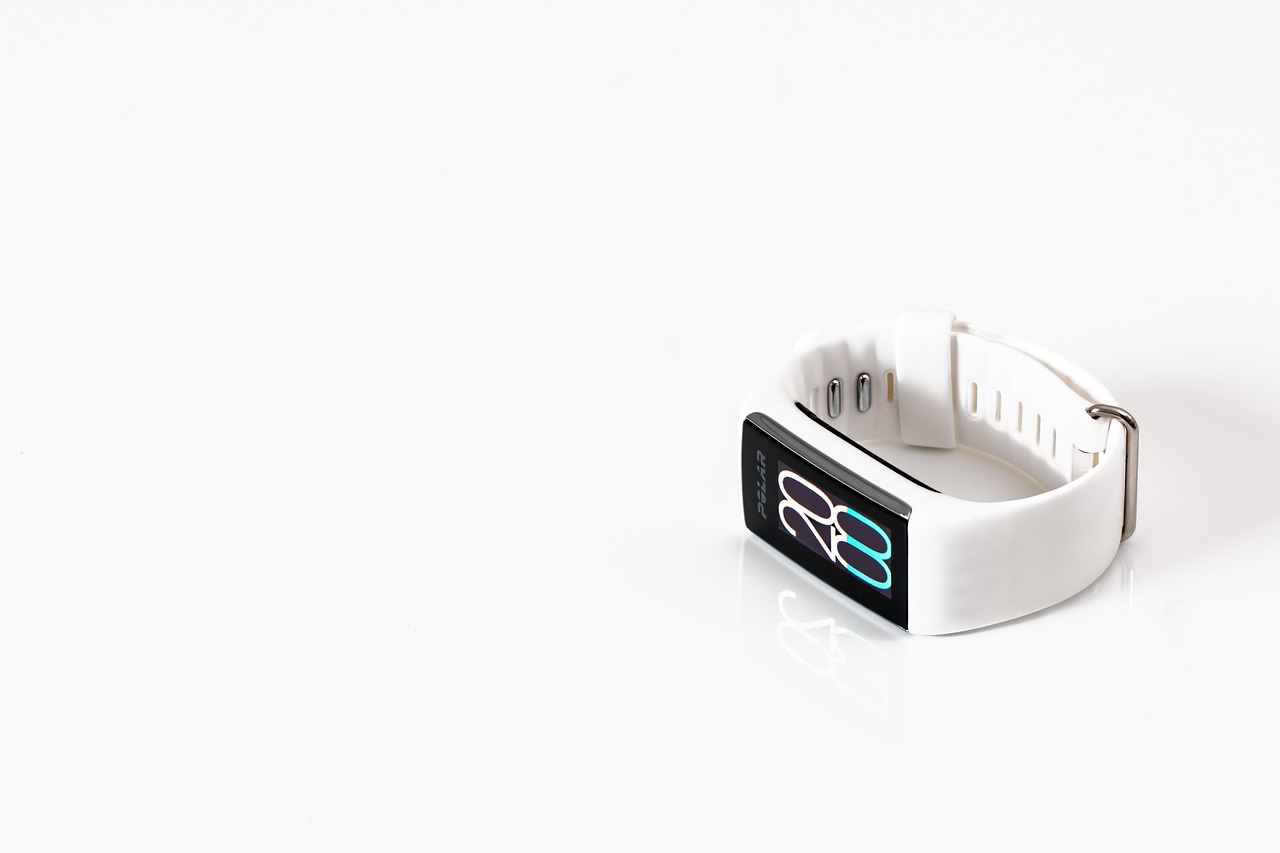

Wearable Tech in Group Fitness and Competitive Sports
Wearable technology has transformed the landscape of group fitness and competitive sports. As athletes and enthusiasts seek to optimize performance, wearables offer innovations that enhance training and health management. Devices like smartwatches and fitness trackers collect crucial data regarding heart rate, pace, and calorie burn, allowing users to adjust their workouts according to their goals. Moreover, wearables provide real-time feedback, which is essential in competitive environments. This immediate access to performance metrics fosters a culture of data-driven improvements and informed decision-making. With the integration of GPS tracking, users can analyze outdoor activities accurately, helping to refine running techniques and route selections. Group fitness classes also benefit from wearable tech, as instructors can monitor participants and tailor the experience accordingly. Additionally, wearables can encourage a collective spirit among users, where shared data lead to friendly competitions and engagement. As technology continues to evolve, we anticipate even more innovative features in these devices that promote health awareness, efficiency, and enjoyment in physical activities. The future of fitness is not just about working hard but also about working smart with the aid of technology that keeps users informed and motivated.
Integration of Wearables in Training Programs
The integration of wearables into training programs has become essential for modern athletes. By merging technology with traditional training, individuals can enhance their performance significantly. Customized feedback helps athletes identify their strengths and weaknesses, enabling targeted improvements. Coaches also benefit from wearable tech, as it provides data-driven insights into athletes’ progress, facilitating informed adjustments to training regimens. Furthermore, wearables can track physiological responses during high-intensity training, ensuring athletes stay within optimal performance zones. This minimizes the risk of injury and facilitates quicker recovery times. Additionally, team sports have leveraged these tools for performance analysis, as data shared during practice sessions can improve collective strategies. Tracking player metrics also aids in forecasting potential performance trends. Moreover, wearables empower athletes to set personal records objectively and challenge themselves continually. In today’s competitive environment, those who harness the power of technology gain an immense advantage. Looking forward, advancements in wearable tech will likely include enhanced communication between devices and coaching systems, offering a complete ecosystem for athletic development. Embracing these innovations will not only redefine training practices but reshape the future of sports.
The social aspect of using wearables in group fitness cannot be overlooked either. Fitness is becoming increasingly community-driven, with wearables facilitating connections among participants. Users can create groups or communities within applications and share their progress, challenges, and accomplishments. This connectivity fosters encouragement and accountability among peers, enhancing the overall fitness experience. Users often share workout challenges or weekly goals, turning individual pursuits into collective achievements. Such camaraderie can significantly motivate individuals to push their limits, leading to better outcomes for everyone involved. Moreover, many wearables now feature social media integration, allowing users to post milestones and accomplishments, gaining recognition from friends and followers alike. The motivational boost from public acknowledgment should not be underestimated in terms of encouraging physical activity within groups. Enabling comparisons and friendly competitions can drive participants to achieve greater results in a supportive environment. As technology evolves, we can expect to see even more engaging features that promote social interaction around fitness goals. By intertwining technology, community, and fitness, wearable devices will likely redefine how we perceive exercise and personal achievements.
Data Analytics and Performance Metrics
Data analytics are at the heart of wearable technology’s success in fitness. Through advanced algorithms and machine learning, these devices transform collected data into actionable insights. Athletes can assess various performance metrics like recovery rates, strength levels, and endurance capabilities with astonishing precision. This wealth of information allows users to fine-tune their training programs and optimize their schedules for performance peaks, including timing workouts for maximum efficiency. Moreover, wearables are capable of spotting trends in an athlete’s performance over time. By tracking metrics consistently, athletes can identify patterns that might signal a need for change, be it an increased workload or additional rest days. Such foresight becomes crucial for long-term performance sustainability and injury prevention. In competitive sports, coaches can analyze data together with athletes to make informed decisions collaboratively. This partnership improves strategies and fosters trust. The increasing demand for data-driven training approaches ensures wearables will continue to evolve, integrating more comprehensive analytics and user interface enhancements. We can thus expect more engaging platforms that support knowledge sharing and athlete education, encouraging individual growth while promoting well-rounded sports communities.
The role of wearables in injury management is another significant discussion among fitness enthusiasts. With the capability to monitor stress and strain through real-time data, athletes can be proactive about their recovery strategies. Monitoring metrics like heart rate variability and muscle fatigue allows users to gauge their readiness for training. Early warnings can lead to seeking appropriate rest or rehabilitation before injuries develop further. This proactive approach not only minimizes downtime but also optimizes the overall health of the athlete. Furthermore, wearable technology provides valuable insights for rehabilitation programs as well. Users can track recovery metrics, ensuring they follow prescribed protocols correctly. Coaches and fitness professionals can utilize this data to design effective recovery strategies tailored to individual needs. As the industry continues to recognize the importance of mental health in athletics, wearables may also evolve to include features that address psychological well-being. Indicators of mental fatigue or stress may become critical data points integrated into comprehensive health assessments. Therefore, wearables demonstrate immense potential in managing fitness routines and promoting overall athlete well-being, benefiting both casual and elite participants.
Future Trends in Fitness Wearables
The future of fitness wearables is filled with exciting trends and possibilities. As technology advances, we will witness more sophisticated devices entering the market, equipped with advanced sensors and analytics capabilities. The convergence of wearables with artificial intelligence may allow for even more personalized training experiences. For instance, smarter algorithms could adjust workouts in real-time based on individual performance metrics and recovery signals. Moreover, there is a growing emphasis on health monitoring features, which may include capabilities to assess dehydration levels or even blood glucose monitoring for diabetic athletes. Such innovations promise to redefine how these devices serve users, expanding their utility beyond traditional fitness metrics. Furthermore, sustainability will play a central role in future wearable designs. Consumers will seek eco-friendly materials and production processes, prompting manufacturers to innovate sustainably. The integration of durable materials that can withstand harsh training conditions while being environmentally responsible will become paramount. Furthermore, augmented reality (AR) could take wearables to new heights, creating immersive training experiences that enhance the workout process. Clearly, as we step into a tech-savvy future, the evolution of fitness wearables looks promising and transformative.
Ultimately, the advancement of wearable technology in group fitness and competitive sports signifies a pivotal shift in how we approach physical activity. Users are empowered with data, motivation, and community support. As this technology continues to develop, athletes of all levels will increasingly rely on wearables to enhance their performance and maintain their health. Collaborative platforms will facilitate deeper connections between users, fostering a sense of belonging and shared goals that transcends traditional fitness scapes. The transition from solely performing workouts to engaging with and learning from data has revolutionized how sports and fitness are perceived. Consequently, we can anticipate a future where wearables will also play a role in injury prevention and recovery, ensuring athletes can safely navigate their fitness journeys. Moreover, as consumer preferences shift, the demand for multifunctional wearables will lead to heightened innovation and competition within the market. This evolution will ultimately empower participants in their fitness endeavors, allowing them to reach new heights. As wearable technology becomes an integral aspect of modern fitness and sports, the landscape will continually transform to showcase the potential of human capability informed by cutting-edge technology.