
The Impact of Ergonomic Office Design on Long-Term Musculoskeletal Health
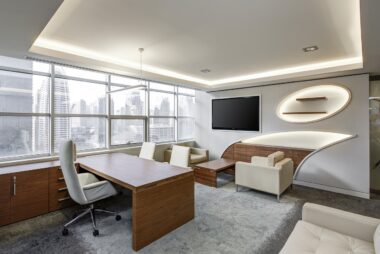
Ergonomic office design focuses on creating a workspace that promotes health and efficiency. By addressing the physical demands of office work, ergonomic design aims to reduce the risk of musculoskeletal disorders (MSDs) that often arise due to poor posture and inadequate workstation setup. With more people working sedentary jobs, it is crucial to adopt an ergonomic approach that properly caters to individual needs. The right furniture and tools can play a significant role in enhancing comfort, productivity, and overall well-being. A well-designed ergonomic workspace incorporates adjustable chairs, desks that promote good posture, and optimal equipment placement. This can alleviate strain on the back, neck, and arms, reducing the number of employees who experience discomfort. Furthermore, proper ergonomic setups can lead to fewer sick days and lower healthcare costs. Integrating ergonomic principles into office design is not just beneficial for the individual but also for the organization, fostering a healthier, happier workforce. Promoting awareness about ergonomic practices is essential for employees to leverage the benefits of their office setup effectively. Employers should continually evaluate and adapt their environments to support ergonomic solutions.
Beyond furniture, the arrangement of an office plays a pivotal role in ergonomic health. Specifically, it is essential to consider how equipment is positioned and accessed during daily tasks. For instance, computer screens should be at eye level to prevent neck strain. Additionally, frequently used items like smartphones, printers, and files should be within arm’s reach, minimizing excessive reaching or twisting. Ensuring that employees take regular breaks is also a crucial factor in ergonomic design. A holistic ergonomic office design incorporates mobile and adjustable stations, allowing employees to alternate between sitting and standing. Such flexibility has been shown to reduce the tightness and strain commonly associated with prolonged sitting. Organizations that prioritize flexible working arrangements often see increased employee satisfaction. This significant factor can minimize burnout and enhance focus and creativity in tasks. Integrating movement into the work culture also allows for natural body adjustments. Encouraging walking meetings or providing standing desks gives a different perspective on productivity. Thus, designing an office environment focused on movement promotes good habits, enhancing physical health and overall morale in the workplace. The proactive approach of fostering ergonomic designs supports a culture that values well-being.
Key Benefits of Ergonomic Design Practices
Investing in ergonomic office design yields numerous benefits that extend far beyond comfort. One of the most impactful advantages is enhanced employee productivity. By ensuring employees work in a comfortable, supportive environment, organizations can expect more engaged and efficient workers. Fewer distractions caused by discomfort lead to improved concentration. Moreover, ergonomic practices significantly reduce the incidence of work-related injuries, particularly musculoskeletal disorders. These injuries not only affect physical health but also lead to increased absenteeism, thereby hurting business performance. Effective ergonomic design encourages collaboration, often leading to team-oriented approaches that harness creativity and innovation. Additionally, the long-term financial savings associated with fewer injuries can be substantial for organizations. Companies may see lower healthcare costs, reduced liability claims, and overall enhanced employee morale. This investment in employee health cultivates a sense of loyalty among staff, fostering a stable workforce. Furthermore, the organization’s image improves, as prospective employees increasingly seek workplaces that prioritize health and well-being. Focusing on ergonomics thus creates an appealing workplace, contributing toward attracting and retaining top talent and enhancing team dynamics.
To maximize the effectiveness of ergonomic office design, organizations must actively engage their employees. Implementing a comprehensive training program can educate staff about maintaining proper posture, taking breaks, and incorporating stretching exercises throughout the day. By fostering an awareness of ergonomic principles, employees become more conscious of their body mechanics. This empowerment leads individuals to take ownership of their well-being while at work. Conducting regular assessments of the workplace layout and equipment allows for timely adjustments based on employee feedback and usage patterns. Companies should encourage open lines of communication regarding any discomfort or suggestions for improvement. Collaborative efforts are essential when refining office design aspects tailored to the workforce’s unique needs. This will not only increase comfort but also promote a culture of support and health. By actively involving employees in the and development of their working environment, businesses can cultivate a sense of teamwork. Regular ergonomic training and checkpoints can invigorate discussions about office design, ensuring that changes continuously promote optimal health outcomes. Such a cyclical process keeps health and comfort at the forefront of workplace values, ultimately improving employee satisfaction.
Technology’s Role in Ergonomic Solutions
In recent years, technology has increasingly influenced ergonomic office design. Innovations such as adjustable desks have gained popularity, empowering employees to switch between sitting and standing throughout their workday. Smart technology can monitor employees’ posture and provide reminders to correct alignment or take necessary breaks. By integrating tech solutions, businesses enhance their ergonomic practices significantly. Additionally, software designed to calculate optimal equipment placement based on an individual’s body measurements can facilitate personalized adjustments. Advances in virtual reality (VR) can improve the understanding of ergonomics by allowing employees to visualize proper setups before implementation. IT and office furniture suppliers are collaborating to develop workplace apps that support ergonomic initiatives. These enable users to log daily activity, analyze posture, and receive tailored suggestions for improvement. By utilizing wearable devices that track movement and remind employees to adjust their positions, organizations actively contribute to fostering a culture focused on health. The proliferation of technology in ergonomic solutions helps create a personalized approach while enhancing capacity for adaptability. Thus, embracing these innovations can lead to a more proactive stance towards ergonomic design, further fostering a positive physical workplace environment.
Despite the benefits of ergonomic office design, there remain challenges to its implementation. One significant concern is the budget limitations that many organizations face when considering an overhaul of their workplace environments. However, it’s important to recognize that investing in ergonomics can yield measurable returns in productivity and employee satisfaction. The initial costs may be offset by the long-term improvements in health and the reduction of injury-related expenses. Additionally, gaining buy-in from leadership can also pose a challenge as stakeholders may undervalue the impact of ergonomics. A compelling business case emphasizing the correlation between ergonomics and productivity is essential to breaking down resistance. It can detail how improved workspace designs enhance efficiency. Furthermore, addressing office cultures that resist change is pivotal. Employees may be wary of new practices or tools that disrupt established routines. To bridge this gap, involving employees in ergonomic assessments can foster acceptance and ownership of new changes. Continuous support, feedback, and education are necessary to ensure sustained engagement in these initiatives. Thus, recognizing barriers to implementation is crucial in advancing the ergonomic office design agenda.
The Future of Ergonomic Office Design
The future of ergonomic office design appears promising as awareness about workplace health continues to grow. Innovations driven by technology will undoubtedly play a pivotal role in shaping ergonomic solutions in offices worldwide, leading organizations to rethink traditional office layouts. With an ongoing shift towards hybrid working models, flexibility in office setups will remain crucial. Employers will need to create spaces that cater to both in-office and remote work environments. As such, modular designs that can adapt to the varying needs of employees are likely to gain prominence. Moreover, sustainability will become an integral consideration, with an emphasis on eco-friendly materials and energy-efficient furniture options. A collaborative effort between architects, designers, employees, and ergonomics experts will lead to creative solutions that promote health and well-being. Ergonomics will not solely focus on individual comfort but will also address the mental health aspects of working environments, cultivating a sense of community among employees. By embracing the latest research and innovations, the future of ergonomic office design will strive to create spaces where employees feel supported, productive, and healthy. This holistic approach will redefine how workspaces function, emphasizing the overall well-being.
In summary, pursuing ergonomic office design is vital for sustaining the long-term health of employees, and it carries implications for organizational success. By focusing on key factors such as furniture, office layout, technology, and employee engagement, businesses can create environments designed for well-being. Awareness and continuous adaptability are key components of effective ergonomic strategies. The importance of fostering a culture of health cannot be understated, as engaged employees lead to higher productivity and lower absenteeism rates. The partnership between organizations and employees in refining ergonomic practices establishes a strong foundation. The successful implementation of ergonomic design entails commitment from all stakeholders to prioritize health in their policies. Looking forward, embracing technological advancements will further redefine ergonomic practices. Overall, a focus on ergonomic office design not only enhances employee comfort but also fosters a productive workspace culture. The commitment to these principles ultimately enhances individual well-being and the organization as a whole. In conclusion, organizations that invest in ergonomic office design will likely reap substantial benefits while cultivating a healthier, more engaged workforce that thrives in an ever-evolving work environment.