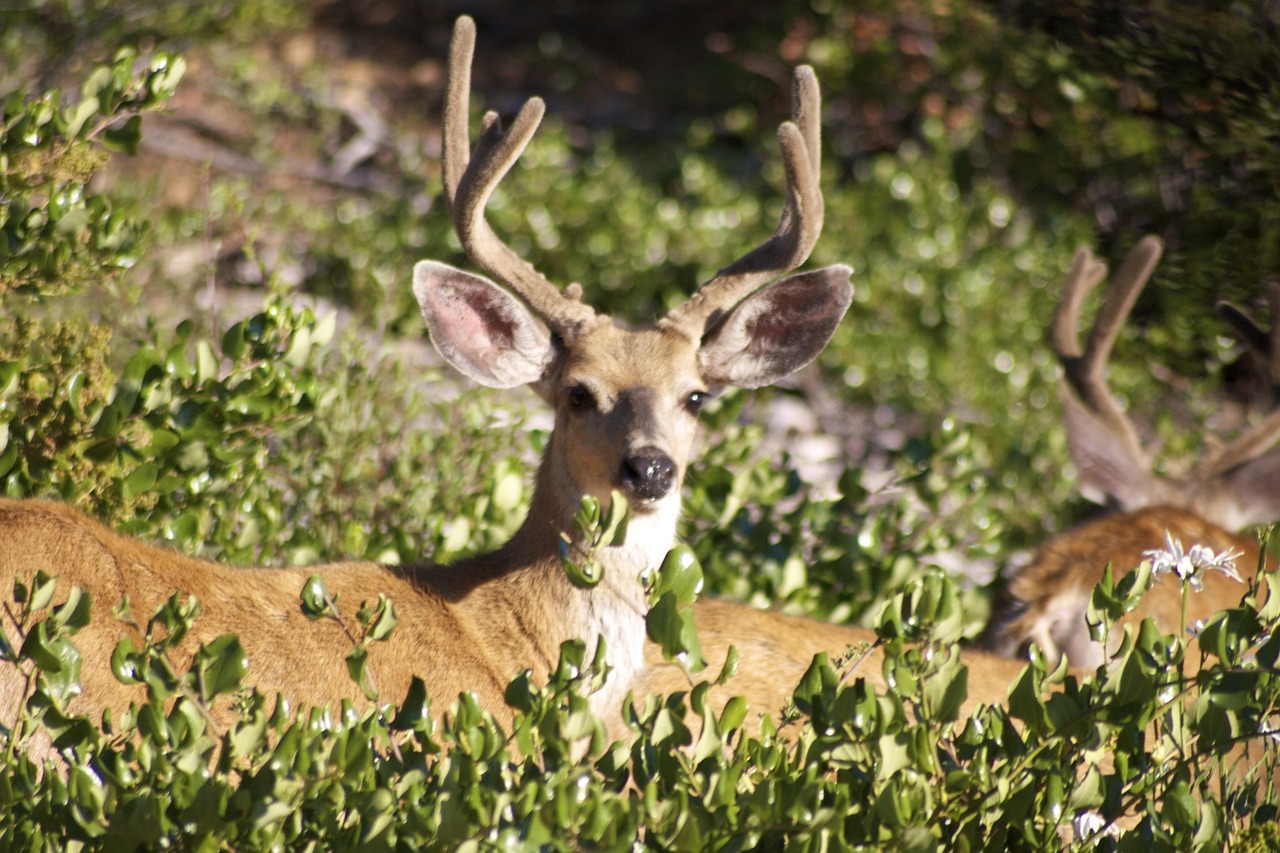

Tracking Techniques: How to Follow Big Game Trails Effectively
Successfully tracking big game requires a keen understanding of their behavior and environment. Hunters must be equipped not only with physical skills but also with the necessary knowledge to interpret animal signs. Begin by learning to identify different trail types, including paths created by distinct species. Look closely for tracks, droppings, and feeding signs, each providing essential clues. Observing the terrain is equally critical; evaluate how different landscapes influence animal movement patterns. When tracking, it is crucial to remain aware of the wind direction, as animals often rely on their sense of smell to detect potential threats. Additionally, understanding seasonal variations in animal behavior can offer significant advantages. Certain seasons may encourage migration or shifts in feeding areas which hunters must consider. Maximizing tracking success also involves patience and time, as consistent monitoring allows hunters to build profiles on target animals. Finally, invest time in practicing these skills in various environments to improve both your efficiency and effectiveness out in the field. By mastering these foundational techniques, hunters will increase their chances of successful encounters with big game. Keep learning and adapting for continuous improvement.
Once you’ve identified big game trails, it’s important to accurately read the signs left behind. Fresh tracks, for instance, can indicate recent movement, suggesting an animal is nearby or was in the area shortly before you arrived. Focus on the size and depth of prints; larger, deeper impressions often signify heavier animals. Additionally, examining the surrounding landscape for disturbances can help verify if animals are actively using the trails. Look for broken twigs, disturbed leaves, or fur caught on branches. Recognizing different tracks will also arm you with necessary knowledge about the animals’ species, size, and age. For example, deer tracks are typically heart-shaped, while elk tracks are wider and more elongated. As you track, take note of nearby food sources, such as acorns or grass, which might attract the game. Keep a mental map of the area and mark prominent landmarks for reference. Avoid unnecessary noise while tracking, maintaining a low profile to prevent spooking potential targets. Animals possess an acute sense of hearing, so quiet movement is paramount. The combination of silent tracking and acute observation will invariably enhance your success rate in big game hunting endeavors.
The Importance of Understanding Animal Behavior
Understanding animal behavior is foundational for successful big game hunting. Various species exhibit differing habits, and these are influenced by environmental factors as well. For instance, some animals feed primarily at dawn and dusk, while others may prefer nighttime activity. Observing these behaviors will aid hunters in determining optimal tracking times and locations. Additionally, certain weather conditions can shift animal patterns; storms or extreme heat may cause animals to seek shelter or alter their routes. Recognizing signs of stress in animals is likewise crucial; they can detect predators from afar. When tracking, hunters must interpret not just physical signs but also the moods of the environment. If animals appear restless or alert, this may indicate nearby dangers. Understanding territorial behavior is also significant, particularly during mating seasons, as male animals often roam widely searching for females. These behaviors make either easier or more challenging the hunting experience depending on the awareness of the hunter. Therefore, knowledge of behavioral nuances equips hunters with insights to forecast movements and eventually boost success rates during hunts.
Gear play an important role in effective tracking techniques, as specific equipment can enhance one’s chances in the field. Beginners should invest in quality binoculars to observe distant trails and animals without disturbing the area. A decent compass or GPS device is essential for navigation, preventing hunters from losing their way in unfamiliar territory. Moreover, appropriate footwear is vital to ensure comfort and stability while traversing rugged terrains. Waterproof and insulated boots can keep hunters dry and warm, allowing for longer and more successful tracking sessions. Hunters should also consider obtaining a field guide specific to the species they’re pursuing. Such guides provide valuable insights into behaviors, appearances, and habitat preferences. Additionally, using scent-blocking clothing can help minimize detection. Animals often perceive human scents long before they see hunters, thus eliminating odors gives the advantage. Furthermore, packing a lightweight daypack containing essentials such as water, snacks, and first aid can contribute to a successful outing. An organized and prepared approach, combined with the right gear, will greatly bolster your tracking endeavors significantly.
Practicing Patience and Persistence
In the realm of big game hunting, patience and persistence often secure success more than raw skills alone. When tracking animals, it can be easy to become discouraged by slow progress or lack of immediate results. Understanding that tracking is as much about the experience as the destination fosters a more enjoyable outing. Each step taken and sign examined builds a hunter’s knowledge and acumen. Hunters must resist the urge to rush through the process; instead, taking time to observe the surroundings often reveals deeper insights into animal patterns. Additionally, persistence through challenging conditions can lead to rewarding breakthroughs. Wildlife often faces pressures from various forms of weather, habitat changes, and hunting activity. It is during these more challenging times that tracking can yield effective results by considering subtle movements and cues. Establishing a consistent tracking routine nurtures familiarity with local patterns and environments. Over time, this knowledge forms a deeper connection with both the land and its wildlife. Ultimately, striking a balance between focused attention and mindful patience will earn significant rewards, leading hunters to successful encounters in the field.
Always remember that safety is a priority during tracking in the wilderness. Encountering wildlife can present risks, including direct confrontations. Knowing the specific animals’ behaviors, especially predators, can prepare hunters for various situations they may face. Make it a habit of informing someone about your tracking plans, including your expected return time. This can be an invaluable safety measure. Always carry suitable survival gear, which should include a first-aid kit and a whistle for signaling help if needed. In addition, having navigation tools on hand can aid in preventing becoming lost. Routine checks on equipment before heading out can save a significant amount of time and trouble once out in the field. Personal protective elements, such as bear spray, should always be within reach, particularly in environments known to have significant predator populations. Finally, familiarize yourself with local hunting regulations and etiquettes, which enforce both wildlife conservation efforts and hunter safety. By prioritizing safety above all else, you will maintain a more secure and focused approach to your big game hunting adventures.
Continuously Learning and Adapting
The journey to mastering big game tracking is an ongoing process. Each trip into the field teaches invaluable lessons that contribute to a hunter’s growth. Attending seminars or workshops related to wildlife tracking can enhance understanding and provide exposure to diverse experiences and methods. Networking with experienced hunters can also yield inside tips, tricks, and anecdotes that further refine tracking techniques. Moreover, reviewing personal tracking logs is crucial for improvement. Documenting every trail followed accurately assists in identifying patterns and reflects on mistakes. Engage with local wildlife communities or forums to exchange experiences and address unique challenges faced in specific areas. Such communal learning opens avenues to innovative tracking methods pertinent to particular species or environments. Additionally, consider taking courses focused on animal behavior to expand insights into different species’ actions and habits. Investing time into research about the game hunted can significantly influence future tracking success. Ultimately, staying open to new information while adapting to circumstances will ensure that your tracking skills develop, leading to a more fulfilling outdoor experience for everyone involved.
In conclusion, the arena of big game hunting is as much about learning as it is about tracking. Mastering techniques requires understanding animal behavior, gear necessities, and personal safety measures. A patient and persistent attitude ultimately enhances experiences and success rates, while continuous learning fosters long-term growth. With the right mindset and preparation, big game hunting evolves into a rewarding venture that connects participants deeply with nature. This connection enriches the hunting experience immeasurably, creating lasting memories and skills that span across seasons. Maintaining respect for wildlife, the environment, and ethical guidelines transforms hunting into more than a mere pursuit – it becomes a journey of discovery and appreciation. So, lace up and embrace the outdoors; each tracking experience has the potential to unveil hidden opportunities and deepen interactions with the wild. Happy hunting!