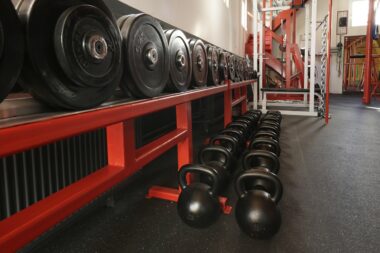

Complex Training: Combining Strength and Power Workouts
Complex training is an advanced workout technique that blends strength and power elements into a consistent training program. This methodology utilizes specific exercises designed to enhance explosivity and overall athleticism. Athletes and fitness enthusiasts favor complex training because it allows them to build a robust muscular foundation while simultaneously improving their speed and power generation. The essence of complex training lies in its dual focus – achieving the benefits of both strength and power training in a single session effectively. Incorporating movements like squats, deadlifts, and Olympic lifts can create a synergistic effect, leading to athletic improvements. The principle of contrast training is vital in this format. After a heavy strength exercise, lighter power movements follow, allowing athletes to harness the neural adaptations created by strength efforts. This contrast not only stimulates muscle growth but also enhances athletic performance on the field or court. Structured correctly, complex training typically features multiple phases that promote rest and recovery between high-intensity sets to maximize results while minimizing injury risk. Therefore, athletes must follow sound programming to excel, ensuring the correct loads are used for maximum efficiency.
Understanding Strength and Power
Before implementing complex training techniques, it’s essential to understand the differences between strength and power. Strength refers to the maximal force a muscle can generate, while power emphasizes the rate of force development during explosive movements. A well-rounded training regimen must ideally cultivate both attributes for optimal performance. Power generation is crucial for athletes involved in sports requiring sprinting, jumping, or throwing. Strength training, on the other hand, enhances overall muscle capacity, crucial for muscle endurance during prolonged activity. Understanding how these two attributes complement one another facilitates the design of effective training programs. When targeting strength, athletes might focus on lower repetitions with heavier weights, instead of raising their overall muscle size and strength levels. Conversely, power training would involve executing higher-speed movements with lighter loads, fostering explosiveness essential for athletic performance. The complex training approach recognizes that pairing these two elements can lead to outstanding athletic development. By engaging in exercises like the clean and jerk or snatch, athletes can directly connect their strength gains with the explosion necessary for peak performance, making it an ideal strategy for competitive sports.
One of the crucial aspects of complex training is the programming structure. Quality workout protocols prioritize not only appropriate exercise selection but also periodization, which leads to better performance outcomes. The recommendations typically involve alternating strength and power sessions throughout the week, allowing distinct recovery periods. When designing a workout, start with a familiar strength exercise to build confidence, then proceed to perform a faster, more explosive movement that closely resembles the initial lift. This provides a crucial learning experience and cues across disciplines, leading to swift adaptations in athletic capabilities. Another critical element in a complex training routine is the volume and intensity of each exercise. Focus on performing a limited number of work sets at high intensity to ensure activation of the muscle fibers necessary for growth. Incorporating plyometric exercises and sprint intervals can further improve explosive capacity. Monitoring recovery and ensuring adequate rest between sets is paramount, as this influences performance and injury prevention. By blending intensity and volume appropriately, athletes can not only excel in their performance metrics but also feel more energized during sessions.
Key Exercises for Complex Training
Incorporating effective exercises into your complex training program is critical for success. Essential exercises like barbell squats, bench presses, and deadlifts yield excellent results when paired with power movements. Strength-focused phases may include performing a heavy squat at first, followed by a series of jumps or sled pushes to focus power outputs. This approach engages the fast-twitch fibers responsible for generating force, helping improve overall performance. Another popular exercise combination is the deadlift, followed by med ball throws or explosive push-ups. These selections allow athletes to apply substantial strength into dynamic athletic capabilities. Olympic lifts are also excellent candidates for complex training since they inherently bridge strength and speed. Starting with a clean or snatch provides a foundation that translates well into jumps or sprints. Including unilateral training, such as single-leg work, ensures muscle balance and stability, also essential for performance. Athletes can benefit from utilizing variations as their skill progresses, helping stave off plateaus while ensuring that they continuously challenge themselves. Incremental improvements in form and technique can further enhance results, aligning complex training periods seamlessly with the overall training goals.
The programming within complex training also emphasizes the importance of potent recovery protocols. Proper recovery mitigates fatigue and prevents injury during high-intensity training sessions. Athletes are encouraged to pay attention to their nutrition intake, as it directly influences energy levels and overall performance. Including protein-rich meals can expedite muscle recovery post-workout, while carbohydrates replenish glycogen stores essential for subsequent training phases. Hydration plays an equally significant role, as dehydration results in diminished performance and recovery outcomes. Athletes should aim to consume adequate fluids throughout the day, especially after training sessions. Incorporating active recovery techniques like light aerobic work or foam rolling can also help alleviate muscle soreness. The addition of quality sleep cannot be overlooked either. As muscles recover and adapt during rest periods, ensuring ample restorative sleep each night contributes positively to performance improvements. Moreover, developing mindfulness practices, such as yoga or meditation, can promote mental clarity and focus, enhancing the overall training experience. A commitment to adequate preparation before workouts and improved recovery efforts allows athletes to reap maximal benefits from their complex training approach.
Tracking Progress and Adapting Workouts
Tracking progress is essential in any training regimen, especially when employing advanced techniques like complex training. Keeping a detailed log of your workouts enables you to assess ongoing improvements, identifying areas for optimization. During complex training, measure performance metrics related to both strength and power, such as the weights lifted and the explosiveness achieved during power movements. Regularly reviewing these metrics can help inform necessary adjustments in workout programming. Assessing the balance between strength and power can also give insights on where to focus more energy. If power outputs plateau, adjust the load, frequency, or recovery techniques employed to foster adaptation and drive further improvement. Additionally, consider including fitness assessments or competitions to evaluate performance levels thoroughly. Athletes should remain conscious of their energy levels during workouts to avoid overtraining and injury risks. If constant fatigue or diminished performance becomes apparent, it may be time to implement more extensive recovery strategies. Learning to listen to your body is invaluable, and athletes who remain flexible in their programming are more likely to succeed in achieving their athletic goals over the long term.
As with any training approach, complex training is not a one-size-fits-all formula. Individual adaptations vary widely based on fitness levels, goals, and specific sport demands. Therefore, program adaptation is critical in ensuring long-term success. Coaches should craft personalized programs that accommodate each athlete’s unique needs while still integrating core elements of complex training. Regularly scheduled evaluations allow coaches to examine outcomes and realign goals with their athlete’s aspirations. Instead of placing blind faith in rigid plans, being adaptable capitalizes on evolving strengths and weaknesses, fostering growth in athletes. Importantly, the athlete’s motivation and mental buy-in remain significant factors in program longevity. Coaches should cultivate open lines of communication, inviting feedback about training intensity, exercises, and overall enjoyment levels. Implementing entertainment aspects during workouts can enhance engagement, fostering excitement around routines. Use gamification techniques, intra-workout challenges, or team-based components to spark energy. Additionally, encourage social support as it bolsters friendships and camaraderie among training partners. When athletes find fulfillment through personalized complex training strategies, they are much more likely to stay committed, engaged, and ultimately achieve peak performance levels.
In conclusion, complex training serves as a potent strategy for maximizing performance by combining strength and power methodologies. This multifaceted approach leverages the benefits of both training modalities, allowing athletes to achieve significant improvements across multiple performance measures. Utilizing proper programming and exercise selection gives athletes an edge in developing explosiveness while maintaining overall strength. Additionally, appropriate recovery and monitoring play crucial roles in ensuring these gains are sustainable over time. By embracing flexibility and adapting workouts to individual needs, athletes can cater their routines optimally, ensuring that progression occurs without undue stress on their bodies. Implementing key exercises such as barbell lifts paired with plyometric components strategically enhances one’s capabilities. Athletes must remain actively engaged with their training plan, allowing space for modification and learning opportunities. When entertained and motivated, athletes build greater resilience toward challenges, developing the mindset necessary for peak performance. Ultimately, whether participating in competitive sports or wishing to achieve personal fitness goals, embracing complex training techniques provides a modern solution for sustained athletic excellence.