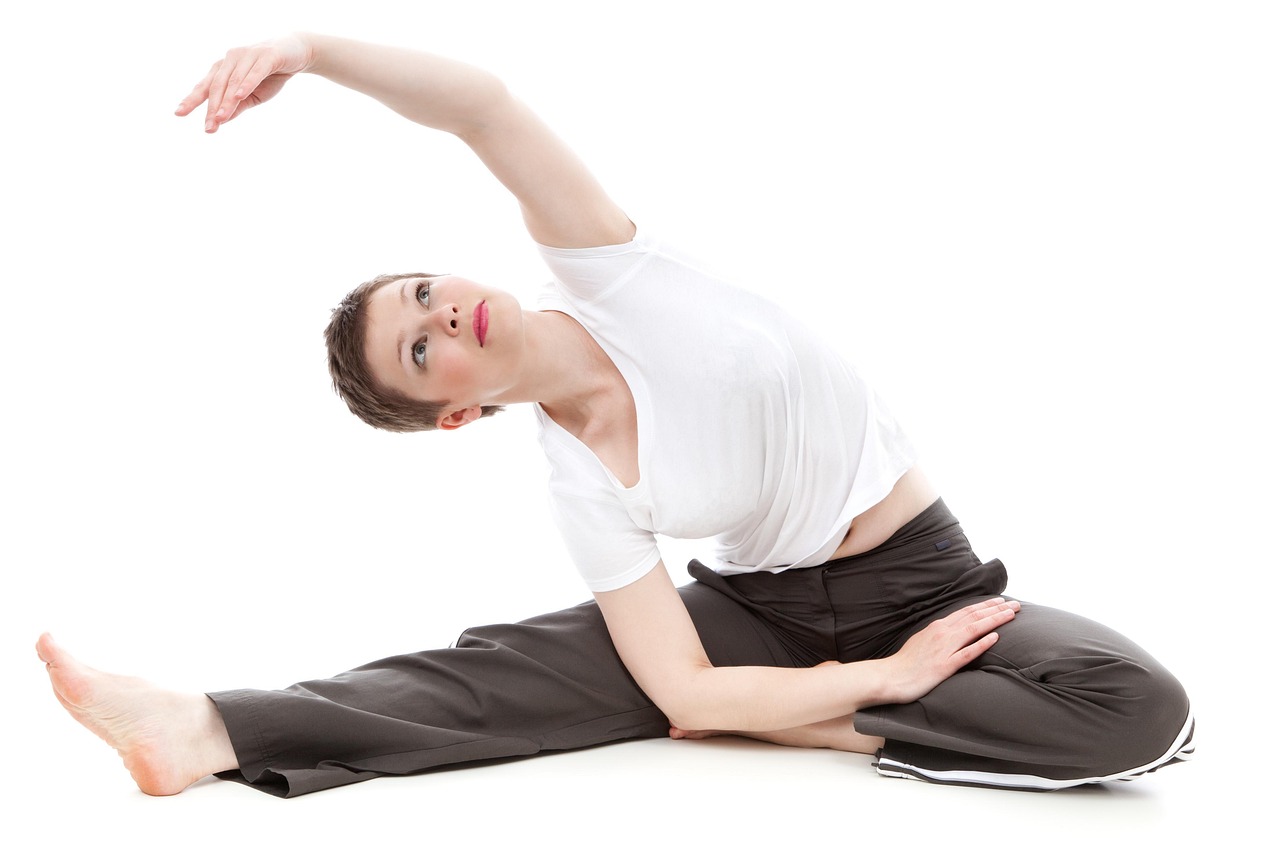

Using AIS to Aid Rehabilitation and Physical Therapy
Active Isolated Stretching, commonly known as AIS, is an effective technique that promotes flexibility and mobility, particularly in rehabilitation and physical therapy. This method is designed to enhance the range of motion by isolating specific muscle groups and allowing them to stretch effectively. By practicing AIS, individuals can alleviate muscle tightness and improve the overall function of their muscles, which is essential after an injury or surgery. This technique works by engaging a specific muscle while holding the stretch for a short period, usually around two seconds, before relaxing it. Additionally, this stretching method focuses on repetitions rather than prolonged holds, making it suitable for individuals at various stages of recovery. AIS not only aids in physical rehabilitation but also enhances athletic performance. By increasing muscle elasticity, individuals can reduce the risk of injuries during physical activities. It also improves circulation, providing fresh oxygen and nutrients to the muscles, which is important for healing. Ultimately, AIS serves as a crucial component in a comprehensive rehabilitation program, aiding individuals in regaining their strength and functionality sooner.
Active Isolated Stretching involves a series of movements that contribute significantly to muscle rehabilitation and recovery. One of the key benefits of AIS is its ability to promote blood flow to the targeted areas. Improved circulation within the muscles allows for better nutrient delivery and waste removal, which is vital during the healing process. Furthermore, AIS engages both the muscle being stretched and the opposing muscle group, creating balance and harmony in muscle function. This balance is important for individuals recovering from injuries, as it helps prevent compensatory patterns that can lead to further dysregulation of movement. Additionally, AIS can be practiced by individuals of all ages and fitness levels. This adaptability makes it an excellent choice for rehabilitation programs tailored to specific patient needs. It can be integrated into various therapeutic settings, from outpatient clinics to fitness centers. Moreover, with proper guidance and instruction, individuals can learn to perform AIS safely and effectively on their own, fostering independence in their recovery. Implementing this technique in rehabilitation can lead to improved outcomes and a quicker return to daily activities.
Principles of Active Isolated Stretching
The principles of Active Isolated Stretching are based on the importance of control, relaxation, and timing during stretching sessions. Each stretch is performed in a controlled manner, primarily using the contraction of opposing muscle groups to yield a safe and effective stretch of the targeted muscles. This method significantly reduces the likelihood of overstretching or injuring the muscle. During the execution of the stretches, the focus is on holding each position for a brief duration, allowing the muscle to engage and relax quickly. This technique emphasizes quality over quantity, promoting a more mindful approach to stretching. Another key aspect is the importance of breathing, as deep and steady breaths can enhance relaxation and comfort during stretches. Proper timing is essential; stretches should be repeated consistently to condition the muscles and promote flexibility over time. Gradually increasing the intensity and range of the stretch helps avoid discomfort and fosters progress in a safe manner. Because of these principles, AIS is well-suited for therapeutic environments, helping patients regain mobility and enhance their overall physical well-being.
When introducing AIS into rehabilitation programs, it is essential to integrate it alongside other modalities for optimal effectiveness. Combining AIS with strengthening exercises can create a holistic rehabilitation approach that addresses both flexibility and muscle strength. Many physical therapy practices include AIS as part of a broader program that may also encompass manual therapy, modalities such as heat or cold treatments, and functional training. The synergistic effects of this combined treatment provide comprehensive support to those recovering from injuries. Regular evaluations ensure that the patient makes progress while following the rehabilitation plan. This ongoing assessment allows physical therapists to modify stretching techniques and adjust the overall approach according to individual needs. Ultimately, active isolated stretching can empower patients to take responsibility for their rehabilitation process. By educating patients on how to perform AIS techniques correctly, therapists can cultivate a sense of independence that can lead to enhanced self-efficacy and motivation. This empowerment fosters a proactive rather than reactive mindset towards recovery, ensuring that patients are more engaged in their recovery journey.
Benefits of AIS in Rehabilitation
The benefits of Active Isolated Stretching in rehabilitation are numerous and impactful. One of the most notable advantages is the improved flexibility that individuals experience through consistent practice. This increased flexibility helps reduce muscle stiffness, leading to better overall movement patterns. Improved range of motion directly correlates with enhanced functional abilities, allowing individuals to perform daily activities more easily. Additionally, AIS can significantly alleviate tension and discomfort in muscles, promoting a sense of well-being. Many individuals report feeling more relaxed and less stressed after implementing AIS into their routines. This release of tension not only aids in physical recovery but can also positively influence mental health. Moreover, by fostering muscle elasticity, AIS minimizes the risk of future injuries. When the muscles are more flexible, they are less likely to sustain strains or tears during physical activity. As such, incorporating AIS can serve as a preventative measure for athletes and active individuals, helping them maintain optimal performance levels. Thus, the practice of AIS plays a critical role in both immediate rehabilitation and long-term health.
It is crucial to understand how to incorporate Active Isolated Stretching safely into a rehabilitation program. Proper instruction from a well-trained professional is necessary, as they can provide personalized guidance on which stretches are most appropriate for individual situations. This professional instruction helps ensure that patients perform stretches correctly and efficiently. Individuals should be encouraged to listen to their bodies while practicing AIS, maintaining awareness of their comfort levels and avoiding pushing through pain. Progress should be gradual and patient-centered, adjusting stretches as strength and range of motion improve. To maximize the effectiveness of AIS, incorporating regular assessments can help track progress and set new goals as the individual advances. Incorporating other activities that complement flexibility training, such as yoga or Pilates, can also enhance the benefits of AIS. The combination of these activities can contribute to improved physical and mental balance. Hence, educating patients about their body’s needs is essential—enabling them to develop effective coping mechanisms and strategies to foster their recovery journey and overall physical health.
Conclusion and Future Directions
Active Isolated Stretching offers a promising avenue for rehabilitation and enhancing flexibility and mobility. As physical therapy continues to evolve, integrating AIS reflects the commitment to evidence-based practices that cater to individual needs. Future research into the effectiveness of AIS on various populations can provide a deeper understanding of its benefits and applications. As health professionals continue to explore innovative methods of rehabilitation, staying informed about the latest practices in fields such as AIS can greatly improve patient care. Additionally, increasing awareness of the role flexibility plays in overall health can encourage individuals to adopt regular stretching routines, fostering a culture of movement and wellness. Consequently, greater emphasis on flexible training can lead not only to enhanced recovery but also to improved athletic performance and injury prevention. Those engaged in physical therapy should consider the potential incorporation of AIS into their rehabilitation plans. With continued support from healthcare professionals, individuals can optimize their recovery pathways. Driven by innovation and patient-centered care, the future of rehabilitation looks bright with Active Isolated Stretching paving the way.
This closing segment encourages readers to reflect on the significance of Active Isolated Stretching in promoting recovery and wellness. Engaging with this method can be transformative for individuals on their rehabilitation journeys, enhancing their independence and overall flexibility. Integrating AIS effectively into rehabilitation can provide long-lasting benefits that extend beyond the initial healing phase. Therefore, healthcare providers and patients alike must embrace and explore this therapeutic approach, fostering a collective awareness of its advantages. As practitioners share their success stories, they may inspire others to adopt similar methodologies, promoting a community committed to health, wellness, and recovery through flexibility.