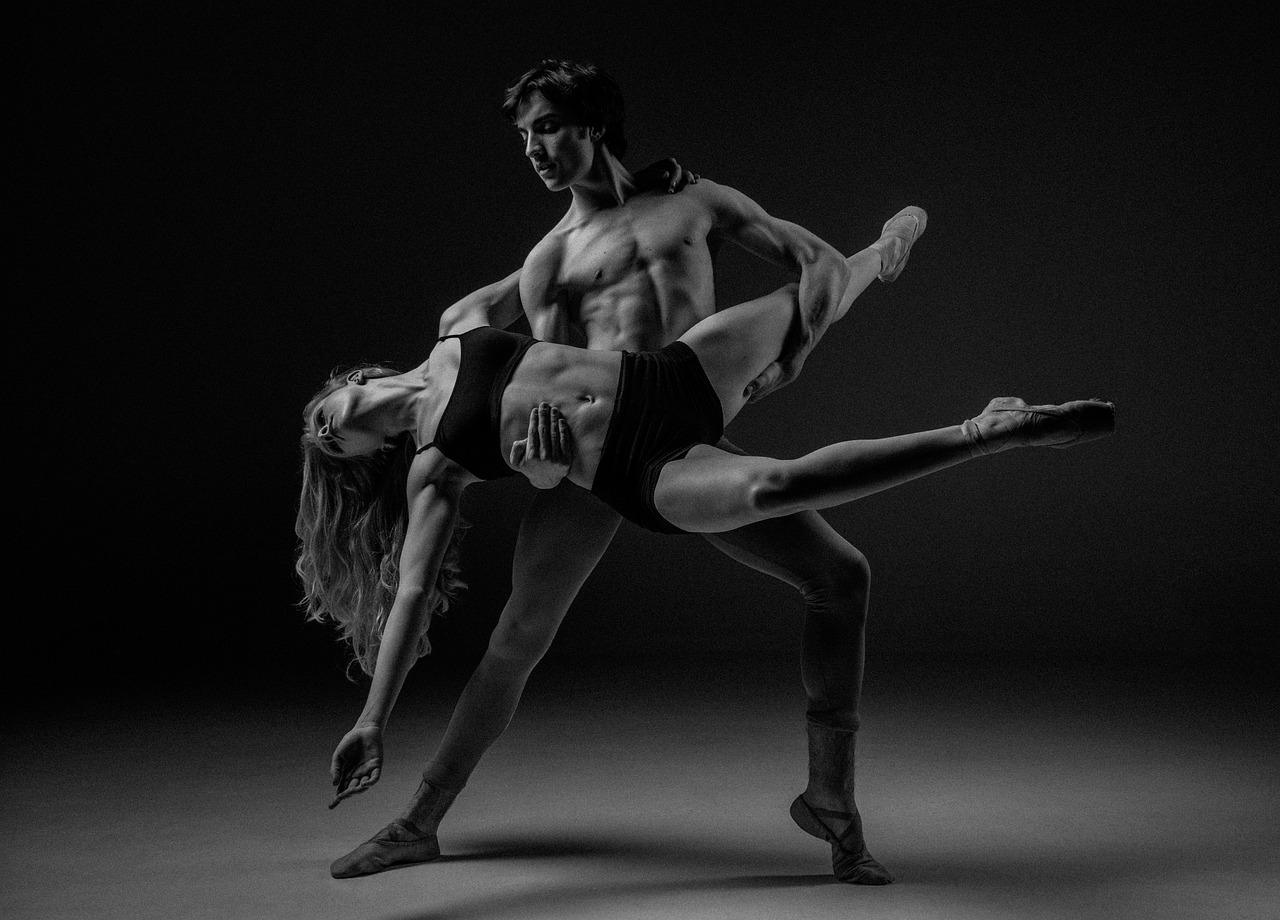

Mobility Challenges Faced by Male vs Female Dancers
Dance is a powerful form of expression, but mobility challenges differ across genders. Male dancers traditionally emphasize strength and rigorous movements, while female dancers often focus on grace and flexibility. These differing emphases result in various issues related to mobility that can affect performance. Male dancers may face challenges in executing intricate footwork or achieving high leaps while maintaining a strong upper body. Conversely, female dancers might struggle with high-impact movements or maintaining endurance during lengthy performances. Factors such as anatomical differences, societal expectations, and training methods contribute significantly. Addressing these challenges involves not only improving individual technique but also fostering a supportive environment that recognizes gender-specific difficulties in dance. Both male and female dancers can enhance their mobility through tailored training that focuses on their unique challenges. Effective strategies, such as cross-training and injury prevention, are essential in any dancer’s regimen. Overall, understanding these unique mobility challenges empowers dancers to excel regardless of gender and promotes a more inclusive representation of dance.
Mobility in dance is a crucial factor that affects overall performance and artistic expression. Despite shared common grounds, male and female dancers experience mobility challenges uniquely due to various factors. Biomechanical differences often play a vital role. For instance, male dancers generally have greater muscle mass and upper body strength, influencing how they execute lifts and jumps. In contrast, female dancers typically benefit from flexibility but may struggle with core strength during dynamic movements. Further, the psychological aspect of performance can create added stress for dancers. Male dancers are sometimes pressured to appear powerful and robust, while female dancers may feel the burden of maintaining a delicate and graceful image. These psychological factors can impact physical performance, leading to restrictions in mobility. Recognizing these issues helps in developing better training systems that cater to individual strengths and weaknesses. Coaches and mentors should therefore create gender-sensitive training regimens that promote healthy practices. Focus on injury prevention and biomechanics is essential, ensuring dancers can reach their full potential while managing the mobility challenges they face.
Impact of Societal Expectations
Society significantly shapes mobility perceptions in dance, leading to distinct challenges for male and female dancers. Male dancers are often expected to showcase strength through powerful movements, while female dancers are typically celebrated for their elegance and flexibility. Such societal expectations can lead to negative outcomes when dancers feel pressured to conform. Male dancers may overlook vital aspects of flexibility training, prioritizing strength and risking injury. Female dancers, on the other hand, might neglect strength training, which is crucial for achieving balance and preventing injury. These biases can create overarching obstacles that impact training effectiveness and performance outcomes. Additionally, these societal roles influence how dancers perceive their own abilities. For males, not fitting the stereotypical image may cause self-doubt, while females might feel inadequate if they fail to appear delicate. This environment creates barriers that inhibit the exploration of mobility techniques outside conventional narratives. To address these challenges, it’s essential for dance schools and companies to foster an inclusive culture where dancers can thrive regardless of their gender. Open discussions surrounding mobility challenges can help shift these societal norms.
Injury prevention and recovery methods are paramount for addressing mobility challenges in dance. Both male and female dancers must prioritize injury prevention strategies to maintain optimal mobility. Stretching, strength training, and cross-training are essential components. Male dancers may benefit from exercises that enhance flexibility and core strength, while females should focus on balancing their flexibility with necessary strength training. Furthermore, understanding common injuries, such as strains and sprains, is vital. Dancers can tailor their warm-up and cool-down routines to target specific areas prone to injury. Implementing consistent recovery techniques, such as physiotherapy, can drastically improve overall mobility supply. Moreover, self-care practices like icing, resting, and alternative therapies are crucial for recovery. These techniques help dancers maintain mobility and prepare adequately for upcoming performances. Both male and female dancers need access to resources that provide training on injury prevention and proper recovery methods. Integrating educational workshops on these techniques ensures dancers respond effectively to injuries and maintain their physical well-being. Ultimately, proactive approaches towards injury prevention nurture longevity in a dancer’s career, allowing them to overcome mobility challenges.
Training Approaches to Enhance Mobility
Enhancing mobility specifically considers the unique challenges faced by male and female dancers. Tailored training approaches catering to gender differences can noticeably improve mobility. For male dancers, emphasis on flexibility through targeted stretching routines, such as PNF (Proprioceptive Neuromuscular Facilitation), can positively impact performance. Incorporating functional strength exercises helps in executing powerful movements without risking injuries. Female dancers should focus on building a solid core and lower body strength, enabling them to execute challenging techniques and maintaining endurance throughout. Cross-training can be highly beneficial; integrating dance styles like ballet for female dancers promotes graceful movements, whereas strength-based forms can enhance men’s stability. It is equally vital to promote interdisciplinary collaboration between trainers and dancers to create customized strategies that tackle mobility challenges. Individual assessment allows the development of a focused plan, ensuring the optimization of training techniques based on personal experience. Overall, a supportive training environment positively affects mental and emotional well-being. This comprehensive training allows dancers to flourish without being hindered by gender-specific mobility challenges, ultimately reflecting in their performances.
Nutritional considerations play a significant role in facilitating mobility among male and female dancers. Proper nutrition can significantly enhance overall physical performance. Male dancers generally require a diet high in proteins and carbohydrates to promote muscle recovery and energy. Balanced meals contribute to maintaining strength and stamina essential for rigorous training sessions. Female dancers, however, need to be particularly aware of body image pressures and nutritional needs. It’s vital for them to focus on a well-rounded diet that supports both physical demands and mental health. Incorporating fruits, vegetables, and whole grains ensures dancers receive necessary nutrients while avoiding restrictive eating habits. Collaborations with nutritionists can help dancers understand how to tailor their diets effectively. Additionally, hydration is equally important, impacting overall mobility. Both genders should prioritize proper hydration pre and post training. Understanding how different foods influence energy levels and recovery informs smarter food choices. Thus, emphasizing nutrition education within dance programs ensures dancers can meet their physical and artistic demands. Additionally, breaking down gender biases surrounding food and body image promotes healthier relationships with eating and mobility, which can effectively enhance performance.
Conclusion: Overcoming Mobility Challenges
Overcoming mobility challenges faced by male and female dancers requires understanding, support, and tailored approaches. These challenges are deeply rooted in societal expectations and physical differences, influencing performance dynamics. Emphasizing flexibility, strength, and proper training can significantly improve mobility for all dancers. Creating an inclusive dance environment fosters open discussion about these challenges, ensuring everyone’s voice is heard. Dance institutions should provide resources for injury prevention and nutritional advice, empowering dancers to take control of their physical and mental health. Collaborative efforts among dancers, instructors, and coaches can lead to practices that effectively cater to everyone’s needs. As dance evolves, recognizing and addressing unique mobility challenges will create a more equitable environment and enhance artistic outcomes. Educating the dance community about gender differences ensures all dancers remain inspired and motivated. By implementing these strategies, the future of dance can be shaped into a space that embraces variety and supports mobility for every dancer, regardless of gender. Ultimately, through collective efforts, dancers can become not only skilled performers but also advocates for change within their community.
This is a sample test paragraph with the specified number of words.