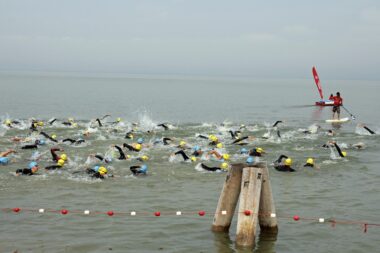

Top 10 Safety Tips for Cold Water Swimming
Cold water swimming presents unique challenges that swimmers must prepare for judiciously. Before immersing yourself, it is imperative to acclimate your body to lower temperatures to prevent shock or hypothermia. Always warm up before entering cold water, allowing your body to prepare gradually. Keeping a constant eye on water conditions for fluctuations is crucial. Avoid swimming alone. Having a buddy ensures immediate support in emergencies. Additionally, swimming with a group enhances safety by providing shared awareness of conditions. Consider wearing a wetsuit, even if you are familiar with the temperature, as it aids in retaining body heat. Always check weather forecasts to avoid treacherous conditions that can arise suddenly. Set clear boundaries regarding your swimming area and communicate them to your group. Having a flotation device can be lifesaving if you tire unexpectedly. Remember to hydrate, as it will maintain your energy levels and keep your body functioning optimally. Finally, be vigilant about your physical limits. Recognize the signs of exhaustion and stop swimming immediately when they appear to ensure your well-being and safety out of water. Your safety comes first; swim smart.
Clothing for cold water swimming requires careful selection to maintain optimal body warmth. The right gear can significantly enhance your experience and prevent cold-related injuries. Invest in high-quality wetsuits designed specifically for cold conditions. These suits help trap body heat while allowing for mobility and flexibility. Layering is essential; consider adding thermal rash guards and swim caps to further insulate against the cold. Ensure that your swimming attire does not restrict circulation as this can increase the risk of feeling cold faster. Footwear is equally important; wetsuit boots or thermal socks will help protect your feet from icy contact. Regularly inspect your gear for any damage that might compromise its thermal capacity. After swimming, it’s essential to dry off immediately and change into warm clothing. This rapid change helps prevent any potential heat loss that can lead to hypothermia. It is recommended to keep a spare thermal outfit, including socks, hats, and jackets, on hand for emergencies. Make sure that your post-swim break includes hot drinks, helping to warm you up quickly while encouraging recovery. Enjoy cold swimming while prioritizing comfort and warmth for safety.
Know the Signs of Hypothermia
Understanding the signs of hypothermia is critical for cold water swimmers. Hypothermia occurs when the body loses heat faster than it can produce it, especially in cold water conditions. Initial symptoms often include shivering, confusion, and lethargy. Swimmers should monitor each other for these tell-tale signs, as they may go unnoticed by the individual experiencing them. If a swimmer begins to feel excessively cold, they should exit the water immediately, even if they are hesitant to do so. The next stages include loss of coordination and impaired decision-making abilities, which can lead to unsafe situations. As hypothermia advances, the individual may experience slurred speech and severe exhaustion. Changes in behavior are another red flag; someone with hypothermia may move sluggishly or act irrationally. Do not attempt to keep swimming if you notice these symptoms; instead, seek immediate medical assistance. Gradually warming the affected person using warm blankets or dry, warm clothes will aid recovery. It’s paramount for all swimmers to be informed and proactive in protecting their health when swimming in frigid waters. Remember, early intervention is vital to avoid serious health issues.
Adequate hydration is critical when engaging in cold water swimming. Many might overlook hydration due to the cooler temperatures, but it’s essential to remember that dehydration can occur regardless of the heat. While your body may not feel as thirsty in cold environments, it is still losing moisture through sweat and breath. Always ensure you have access to fluids before and after your swimming sessions. Drink warm beverages post-swim to help raise your body temperature and rehydrate effectively. A good rule of thumb is to drink at least eight ounces of water before entering the water, and continue hydrating afterward. Carrying a water bottle or hydration pack is advisable to promote consistent rehydration. Consider adding electrolytes to your drinks, as they can aid recovery and replenish lost minerals. Additionally, keep in mind that consuming hot food, such as soup, can also support your hydration needs while providing essential calories for energy. On long swims, especially in colder climates, plan to include hydration breaks. Monitoring your hydration status can drastically improve your swimming experience and ensure safety when engaging in cold water swimming activities.
Emergency Protocols
Establishing emergency protocols before cold water swimming expeditions is essential for ensuring safety. Every swimmer should be briefed on what to do in case of an emergency, which could occur for many reasons, including sudden health issues or weather changes. Set clear roles among your group, so that each person knows what to do if someone is in distress. Communication devices, such as cell phones or marine radios, can prove invaluable in emergencies, particularly in remote areas. Always have a first aid kit on hand, stocked with items to treat common injuries. Additionally, training in basic first aid can enhance safety during swimming activities. In case of an emergency, the group should designate a safety swimmer who can react quickly to assist someone in need. Practice drills that address scenarios like hypothermia. Knowing how to respond and support someone in distress could save lives. Designate a meeting point for swimmers to regroup post-swim, ensuring nobody goes unaccounted for. Safety must always take priority during cold water swimming. Having policies in place will allow for quicker responses and improve adherence to safety protocols.
Awareness of local wildlife is important when you participate in cold water swimming. Familiarizing yourself with the fauna that inhabits the swimming area can prevent potentially dangerous encounters. Research the types of fish, aquatic mammals, and birds native to the region, as some may pose risks to swimmers. For instance, certain species may be territorial or aggressive if they feel threatened. Keep an eye out for jellyfish, which can cause painful stings to unsuspecting swimmers. Being knowledgeable about whether you may encounter seals or sea lions can also be beneficial, as they can be curious but dangerous if approached. Always respect the wildlife and approach with caution, maintaining a safe distance when possible. Follow local guidelines on interacting with animals in their natural habitats. Additionally, be sure to avoid swimming during peak breeding or feeding seasons, as wildlife activity increases. If wildlife issues arise, contact local authorities for assistance. Maintain environmental respect while ensuring that safety and conservation are prioritized. Understanding the ecosystem will help create a safer and more enjoyable cold water swimming experience for everyone involved.
Post-Swim Recovery Tips
Post-swim recovery is vital for cold water swimmers to ensure the body returns to normal functioning. After swimming, dry off promptly, as remaining wet can lead to heat loss, enhancing the risk of hypothermia. Put on warm, dry clothing, preferably layered, to help restore body temperature. Warm drinks, such as herbal teas or broth, play a significant role in warming the body from the inside. Consider nutrient-rich snacks that can help refuel energy, crucial after a chilling swim. Foods rich in carbohydrates and proteins will assist in muscle recovery and energy restoration. Stretching is also important to maintain flexibility after swimming in cold water; it helps blood circulate back into muscles. Additionally, consider taking a warm bath to further help relax muscles and restore body warmth. Monitoring your body’s condition post-swim is paramount; seek medical attention if you feel unusual symptoms. Having an after-swim plan ensures not only comfort but also prepares you for your next cold water adventure. Emphasize the importance of restorative practices after swimming to optimize recovery and overall wellness.
Learning safety protocols empowers swimmers to enjoy their cold water experience. Emphasizing the importance of preparation and discussions around safety measures builds awareness. Engage with local swimming communities to gain insights and experiences shared by fellow cold water swimmers. Continuous education on the risks associated with swimming in cold conditions is necessary. It increases familiarity with best practices and keeps recent tips at the forefront. Take advantage of workshops and seminars focused on water safety; these can boost your skills and confidence. Always consider personal health conditions that might affect your ability to swim in cold water, discussing any concerns with a medical professional. Setting personal goals and assessing your swimming abilities can lead to improved performance. Remember to respect the ocean and its unpredictability, enhancing awareness through education will help mitigate risks. As swimmers become more skilled, they can challenge themselves responsibly while practicing safety. Investing time in understanding the environment encourages responsible swimming practices. A well-rounded approach to safety can not only improve enjoyment but enhance overall swimming proficiency. Join forums and groups that foster discussions about safety; they will enhance knowledge sharing and create supportive networks.