
The Importance of Warm-Up and Cool-Down for Injury Prevention
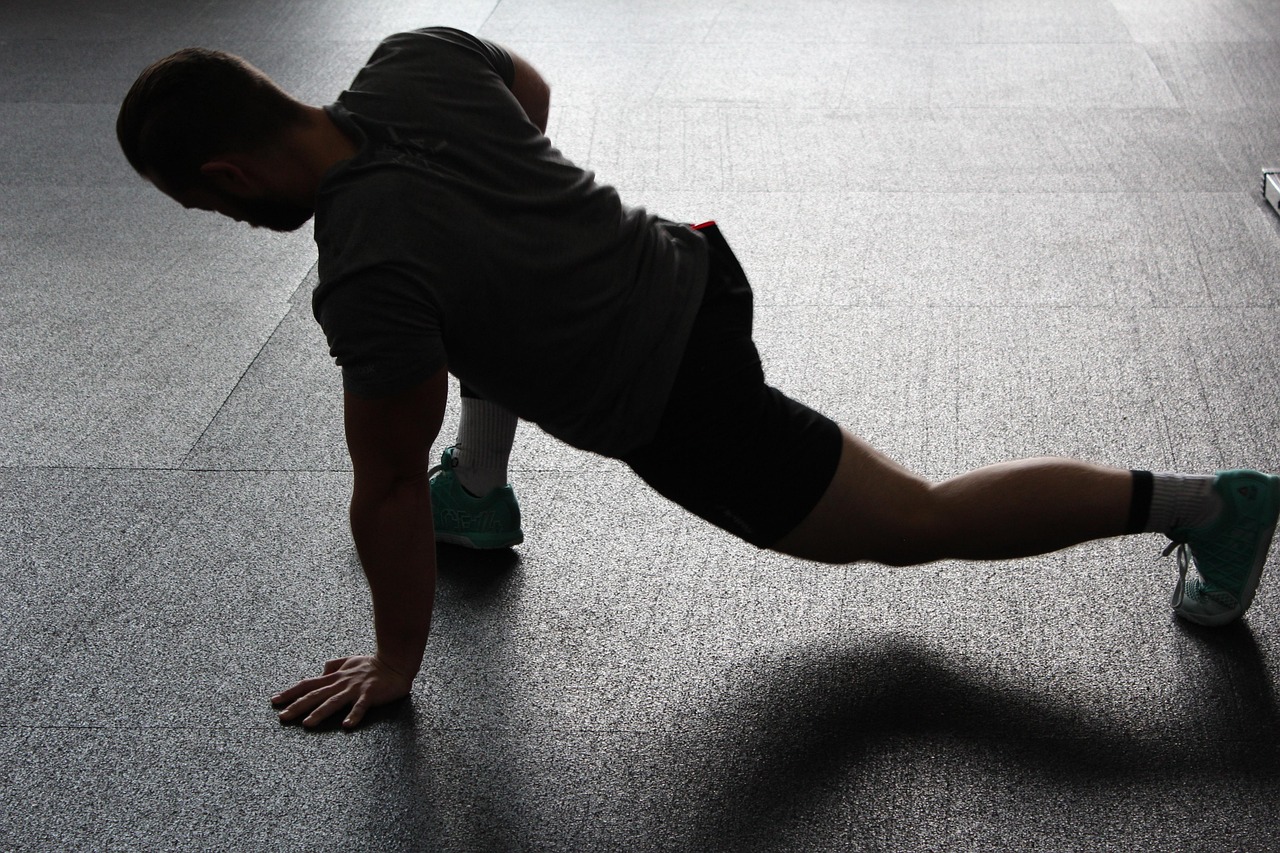
Engaging in any physical activity without a proper warm-up can significantly elevate the risk of injuries. A warm-up prepares the body by gradually increasing the heart rate and blood circulation, which enhances muscle temperature. Warm muscles are more flexible and less prone to tears or strains. Notably, incorporating dynamic stretching and mobility exercises into a warm-up routine can aid in preventing common sports injuries like sprains and strains. Athletes should focus on the specific muscle groups that will be utilized during their workout. Moreover, mental preparation is another essential aspect of warming up. Setting a positive mindset can enhance focus and determination. In addition, warming up can help reduce muscle stiffness. Tight muscles have a higher chance of injuring themselves during sudden movements. Athletes should remember that a comprehensive warm-up can also improve performance levels. Improved flexibility and balance allow better execution of sports-specific skills, translating to enhanced overall performance. Fostering a habit of warming up before exercise can develop safer sporting practices and also foster long-term participation in physical activity.
Cool-down routines are equally vital in any sporting activity. After intense exertion, the body needs to gradually reduce its intensity to recover effectively. A cool-down allows the heart rate to return to its resting state and aids in the distribution of oxygen and nutrients throughout the body. Importantly, a proper cool-down sequence can help in preventing stiffness and soreness post-exercise. Static stretching should be incorporated into the cool-down process, focusing on the major muscle groups worked. Through stretching, athletes can enhance flexibility, allowing for better performance in future sessions. Furthermore, cooling down encourages the removal of metabolic waste products that may accumulate during exercise. This helps to prevent delayed onset muscle soreness (DOMS) and facilitates faster recovery. Hydration practices should also be observed during this period to replenish fluids lost during exercise. Athletes should aim to create a habit of cooling down after every workout or match. Implementing a consistent cool-down routine can significantly reduce injury risk while enhancing overall performance and recovery. This practice promotes a holistic approach to sports and physical activity.
Understanding Common Sports Injuries
Common sports injuries include sprains, strains, and fractures. A sprain occurs when ligaments are overstretched or torn, often seen in the ankles or knees. Strains, on the other hand, involve muscles or tendons and are typically the result of quick movements or heavy lifting. Fractures, which are breaks in the bone, can result from high-impact collisions or falls. Various factors contribute to these injuries, including insufficient conditioning, improper techniques, and inadequate warm-up or cool-down practices. Additionally, athletes who participate in high-risk sports are particularly vulnerable. Sports such as football and basketball have high demands on the joints, often resulting in injuries. Another common injury is tendonitis, characterized by inflammation of tendons due to repetitive strain. Over time, repeated stress on a tendon can lead to pain and dysfunction. Awareness of the types of injuries prevalent in sports is essential for preventative measures. Athletes should be educated on the importance of proper techniques, equipment, and the role of warm-ups and cool-downs in injury prevention. This knowledge empowers them to mitigate risks while enjoying their sport.
Nutrition plays a critical role in injury prevention for athletes. Consuming the right balance of carbohydrates, proteins, and fats can strengthen the body and support its training demands. Adequate hydration is essential; dehydration can lead to fatigue and increase injury risks. Micronutrients like calcium and vitamin D are also important for bone health, while antioxidants can aid in faster recovery. Prior to engaging in sports, athletes should fuel their bodies adequately to optimize performance and reduce injury likelihood. Timing of nutrition is equally important. Eating a mix of carbohydrates and proteins post-exercise can help in muscle recovery, ultimately supporting overall joint and muscle health. Proper nutrition not only promotes physical wellness but contributes to mental clarity and focus during sports. Athletes should consult with dietitians or nutritionists to develop personalized nutrition plans that accommodate their specific training and recovery needs. Moreover, developing healthy eating habits can boost an athlete’s immune system. This is particularly crucial when it comes to maintaining a consistent training schedule, as illness can significantly hinder performance and exacerbate injury risk.
Role of Strength Training
Strength training significantly bolsters injury prevention and overall athletic performance. By building muscle strength, athletes can enhance their stability and joint function, leading to reduced injury risks. Focused strength workouts can target vulnerable body areas, such as the core, knees, and shoulders, which tend to sustain overuse injuries. Notably, stronger muscles can better absorb stress and impact, minimizing the chance of damage during high-intensity activities. Integrating exercises that focus on balance, coordination, and functional movements can further bolster performance. This is particularly advantageous for sports that involve sudden changes in direction, such as basketball or soccer. Moreover, strength training contributes to improved biomechanics, allowing for better efficiency in action and lower energy expenditure, which is beneficial for prolonged sports performance. Furthermore, this training aids in correcting muscle imbalances that might predispose athletes to injuries. It can enhance an athlete’s power in their sport, enabling them to execute movements more effectively. Consequently, athletes should include structured strength training regimens as part of their overall fitness strategy, in conjunction with regular warm-up and cool-down exercises.
Listening to your body is paramount for injury prevention and recovery. Athletes should be attuned to signs of fatigue, pain, or discomfort. Ignoring these signals can lead to exacerbating underlying issues and may result in serious injuries that take longer to heal. It is essential to recognize when it’s time to rest or modify a training program. Recovery periods are just as crucial as the training itself; they allow the body to repair and strengthen. Athletes should incorporate active recovery days, which may include light exercises or activities that promote blood flow. Moreover, cross-training can provide varied workouts, reducing the risk of overuse injuries. Psychologically, taking breaks can also reduce burnout and promote enjoyment in the sport. Mental resilience and consistent monitoring of one’s condition can lead to better outcomes, not only in injury prevention but also in overall performance. Keeping a journal of workouts and recovery can help athletes track their progress and identify patterns that indicate the need for adjustments in training. Continuously assessing one’s own physical state is critical for long-term athletic success.
Conclusion
In conclusion, the importance of warm-up and cool-down routines cannot be overstated in the realm of sports medicine. Each component significantly boosts performance while minimizing the risk of injuries. Whether you are a casual athlete or a professional, adhering to these practices will certainly benefit your physical health as well as your sporting goals. Education and awareness about injury prevention strategies play a crucial role in fostering a culture of safety in sports. Additionally, strength training, proper nutrition, and self-awareness are vital complements to warm-up and cool-down routines. Athletes should consistently strive to incorporate these practices into their training. Healthcare professionals and coaches must also promote these principles to ensure a comprehensive approach to injury prevention. By doing so, athletes can maintain their physical well-being and longevity in sports. The proactive measures taken now can yield significant benefits, enabling athletes to perform at their best. Ultimately, being informed empowers athletes to protect themselves against common injuries while enjoying the rewards of active participation in sports.
In sum, understanding sports injuries, their prevention strategies, and the importance of warm-ups and cool-downs can foster long-term health and well-being for athletes. Engaging in regular physical activity is essential, but safe participation must remain a priority. Not only should athletes focus on the actual performance, but also on the comprehensive strategies required to stay injury-free.