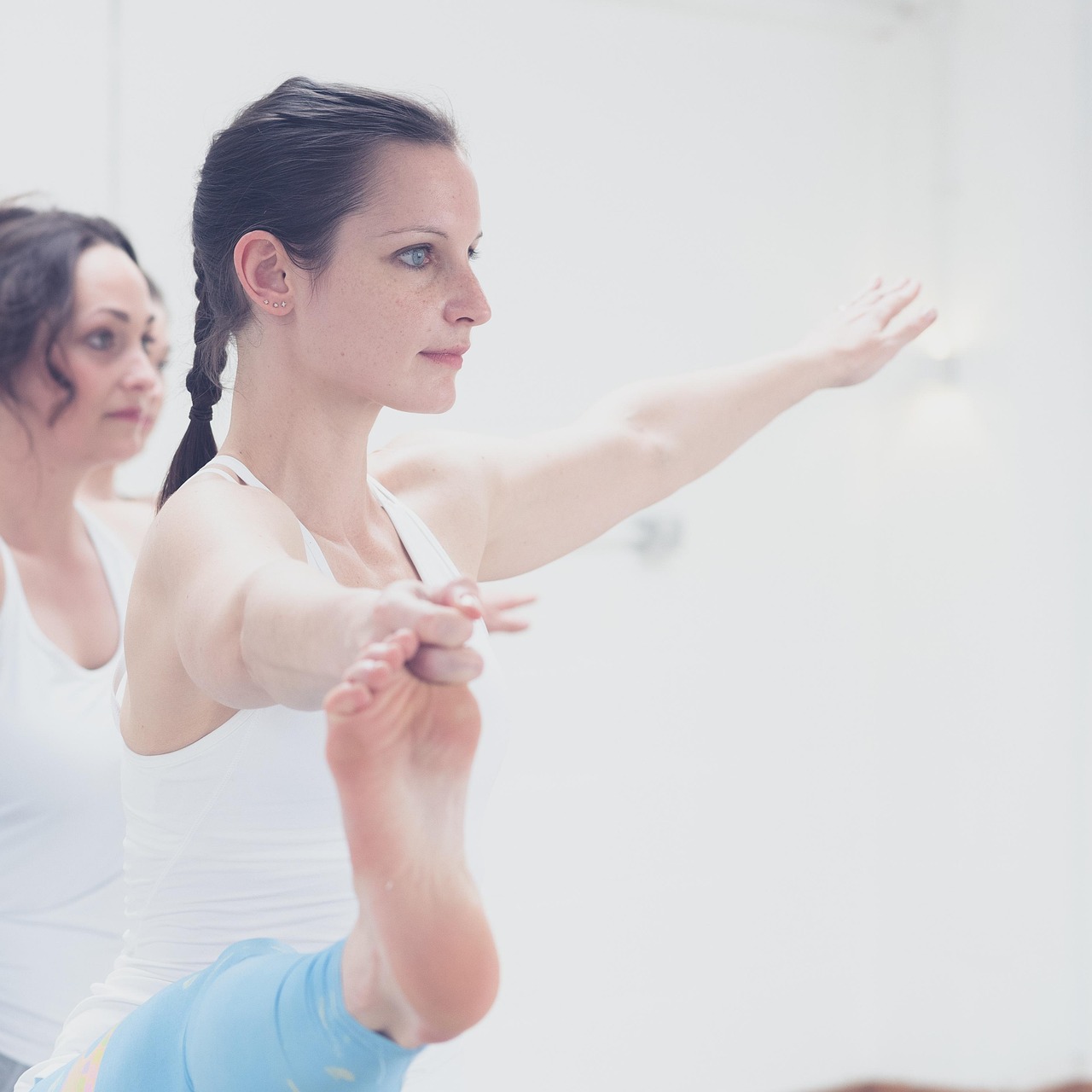

Targeted Hamstring Stretches for Week 42
As part of your workout plans this week, incorporating targeted hamstring stretches can significantly enhance flexibility. The hamstrings are crucial for running, jumping, and other athletic activities. This routine focuses on comprehensively stretching these muscles while preventing injury and improving overall performance. Regular stretching can also alleviate tightness caused by prolonged sitting, thus increasing mobility. It’s essential to perform these stretches correctly to maximize effectiveness and reduce the risk of strains. Always warm up prior to stretching to prepare your muscles for a more extensive regimen. Consider dynamic stretches like leg swings or a light jog to elevate body temperature. Once warm, you can proceed with the targeted routine designed for both beginners and advanced athletes alike. Follow this guide closely, ensuring you’re methodical in your approach to each stretch. Remember to breathe deeply and focus on relaxing each muscle group as you stretch. Implementing a cooldown period after your workout with these stretches will promote faster recovery. Staying consistent with your flexibility routine will yield long-term benefits, improving your overall performance during workouts. Stay committed, and ease into each stretch with intention.
Begin with the classic hamstring stretch, a fundamental exercise for flexibility. To perform this stretch effectively, start by sitting down on the floor with your legs straight in front of you. Gradually lean forward, reaching for your toes, all the while keeping your back as straight as possible. This stretch targets the upper part of the hamstring. Hold the position for at least 20-30 seconds, and breathe steadily throughout the stretch. As you become more flexible, try reaching further towards your feet. You can also use a strap or towel if you find it difficult to reach your toes directly. Aim for three sets of this stretch to maximize benefits. Additionally, you can perform standing hamstring stretches while balancing on one leg. The balance aspect challenges your core stability while stretching the hamstrings. Alternate between legs, ensuring that each leg receives equal treatment. Incorporating these variations into your routine will prevent boredom and keep your muscle recovery efficient. Remember, it’s important not to overstretch, as this can lead to injuries. Always listen to your body and adjust accordingly. Consistency in your stretching routine leads to improvements.
Your flexibility routine could benefit from the dynamic hamstring stretch. This stretch works well as part of your warm-up before more intensive workouts. Begin by standing up straight and taking a step forward with one leg. Swing your other leg upwards while keeping it straight to engage your hamstrings effectively. This approach increases blood flow to the muscles while improving overall coordination. Perform 10-15 swings on each leg to reach optimal results. Focus on controlled movements rather than speed, as this will enhance effectiveness and reduce the risk of injury. Pair this dynamic stretch with other flexibility drills for a comprehensive routine. Alternatively, consider the lying hamstring stretch, which provides a different angle for targeting these muscles. Lie on your back, and lift one leg while keeping the other flat on the ground. This position allows you to pull your raised leg towards your chest, providing a deeper stretch. Use a strap around your foot if necessary. Hold for 20-30 seconds, ensuring you feel a comfortable stretch without pain. It’s essential to maintain a consistent practice for lasting flexibility gains. Embrace these diverse stretches for an enjoyable flexibility journey.
Using Props for Enhanced Stretching
In your quest for flexibility, don’t overlook the utility of props such as resistance bands. These versatile tools can enhance your hamstring stretches significantly. By incorporating resistance bands, you create tension that challenges your muscles while promoting proper alignment. To execute this method, lie on your back and wrap a resistance band around one foot, pulling the band towards you while straightening your leg. This adjustment helps deepen the stretch effectively. Hold each position for 20-30 seconds, breathing evenly. After gradually incorporating resistance bands, you may find improvements in your range of motion. Always ensure that the tension feels comfortable. Another excellent option is using a foam roller to perform myofascial release before stretching. Glide the foam roller over your hamstrings to loosen tight muscles, preparing them for further stretching. Combining these props with traditional stretches enhances results by promoting increased blood flow and relaxation of the tight muscles. Avoid applying excessive pressure, focusing instead on areas that feel particularly stiff. As you progress, the integration of props can make a routine even more rewarding by offering variety and challenges. Explore these options to find what best suits your routine.
As you incorporate targeted stretches into your workout regimen, consider the importance of consistency and gradual progress. Aim for at least three sessions per week focusing on hamstring flexibility. This frequency allows your body to adapt and improve over time, leading to increased mobility and a reduced chance of injury. Always pay attention to your body’s signals during stretching; if you experience pain, it might signal that you need to modify your approach. Consider recording your progress; noting your flexibility achievements can be motivational and encouraging. Additionally, explore diverse routines from various sources. Online platforms offer a wide array of videos and guides on proper techniques. Look for routines that emphasize not only hamstring health but overall leg flexibility too. Do not skip cooldowns or warmups; these are critical elements in every workout that help prevent injuries. Gradually increase the intensity of your stretches, which will also prevent plateaus and boredom in your workouts. Balancing different types of stretches like static and dynamic will enrich your flexibility training and maximize performance benefits. Embrace the journey towards improved flexibility and commit to your workout plans for lasting results and health benefits.
Lastly, our approach to improving hamstring flexibility should include listen to expert advice on proper nutrition and hydration for optimal muscle function. Nutrient-rich foods play a crucial role in keeping muscles supple and ready for performance. Incorporate sources of protein, healthy fats, and carbohydrates in your diet for overall muscular health. Proper hydration before, during, and after exercise significantly impacts muscle elasticity. Dehydrated muscles can become stiff and prone to injury. Consuming electrolytes can also improve muscle function, especially when engaging in intense workouts or activities. Combining your flexibility routine with a balanced diet creates a holistic approach to fitness and well-being. Consider consulting a nutritionist for personalized guidance aimed at improving performance and recovery. Integrating flexibility training into your overall fitness program ensures comprehensive benefits perceivable through various physical activities. By adopting these practices, you will not only work on hamstrings but also elevate your entire fitness regime. In conclusion, flexibility is vital for athletic performance, injury prevention, and overall fitness. Stay committed to your routine, follow through on stretching with intention, and enjoy the journey. Your efforts will lead to noticeable improvements in strength, endurance, and mobility during comprehensive workouts.
Final Thoughts on Hamstring Flexibility
Emphasizing hamstring stretches this week will enhance your workout experience while contributing to your overall fitness goals. Flexibility in the hamstrings directly influences athletic activities, from running to other forms of exercise where strong leg muscles are used. Make these targeted stretches a regular part of your weekly workout plans. Throughout this process, stay patient and do not expect rapid results. Flexibility training takes time and consistent effort, but it is worth it. Establishing a routine helps in achieving lasting benefits in strength and recovery. Note how you feel after your stretching sessions, as maintaining a connection to your body will inform your practice moving forward. To keep your routine exciting, consider varying the types of stretches you perform. Include a mix of static, dynamic, and even resistance training methods. Over time, you will notice your hamstrings becoming more flexible and less prone to injury. Celebrate small victories in your progress and continuing to refine your methods. Each step you take contributes toward achieving your flexibility goals. Encouraging friends or peers to join you on this journey can enhance motivation and accountability, leading to great workout plans. Embrace the challenge ahead!
In conclusion, week 42 provides an excellent opportunity to focus on targeted hamstring stretches for improved flexibility. Embrace the various methods shared, utilize props, and remain consistent in practice. Tailoring your routine to your personal needs ensures that you achieve the best results. Reflect on the growth you experience during this time and remind yourself that flexibility takes time. As with any fitness journey, celebrate your progress, no matter how small, to help stay motivated. Continue seeking guidance from knowledge sources and stay connected to others in the community for added support. Consider joining classes or workshops to improve your understanding of flexibility techniques and enhance your skills. Always remember that flexibility is a journey, not a destination. Welcome the improvements as they come, and be proud of your commitment towards a healthier, more flexible body. Your dedication will pay off in increased performance and injury prevention, making you a stronger, more capable athlete overall. Let week 42 mark a significant step in your flexibility journey, and keep striving towards achieving all your fitness aspirations for the long term.