
How to Guard Different Types of Offensive Players Man-to-Man
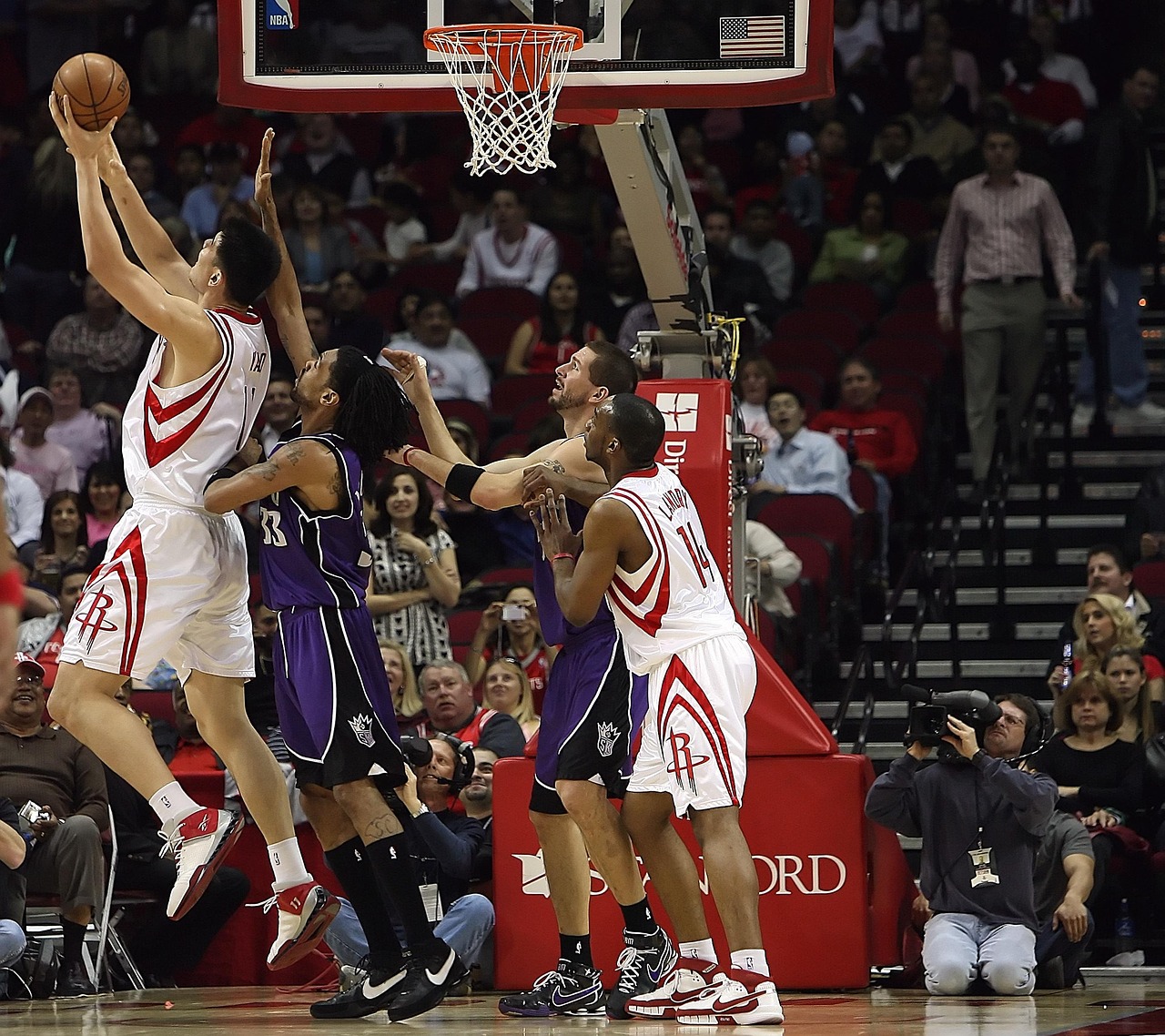
In basketball, proper man-to-man defense is crucial for combating various offensive strategies. Each player’s style requires different defensive approaches. This first part will cover how to guard quick offensive players. Start by maintaining a low defensive stance to be ready for their explosive movements. Position your feet shoulder-width apart for stability while keeping your weight balanced. When a speedy player drives toward your lane, use your lateral quickness to shift to their side, blocking the path without reaching excessively. Communication is vital. Constantly talk to your teammates to ensure help is available when needed. If they are to your right, keep your left foot forward while pressuring them to their right. Remember also to keep your hands active; they can disrupt passing lanes and causes hesitation in dribblers. Quick players thrive on exploiting gaps, so be as tight as possible while staying aware of your surroundings. They may resort to jumper shots, so be prepared to contest them without committing a foul. Always adapt and adjust your strategy according to how offensive players react to your defense throughout the game.
Next, let’s discuss defending skilled shooters. When guarding an excellent shooter, your defensive strategy should prioritize staying close while contesting shots. Start with a balanced posture that allows for quick defensive shifts and pivots. If an offensive player catches the ball in their shooting spot, pressure them immediately to limit their options. Use your hands to get a good perspective of their shooting movement while avoiding unnecessary fouls. It’s imperative to read body language. If you observe the shooter sidestepping or creating space, adjust your footwork accordingly to close the gap. Use your length to challenge the shot as they release. One vital tactic for effective defense against shooters is anticipating their tendencies based on prior plays. Track their positioning and shooting preferences during the game to predict their attacks. Communication remains crucial; signal to teammates when a shooter is getting open for a shot. Encourage coordination to ensure they’re covered if they pass the ball. Finally, remember to recover quickly if they miss. Be ready for a potential offensive rebound and transition into the next defensive sequence with anticipation and determination.
Defending Playmakers: Key Strategies
Defending against playmakers who excel at creating offensive opportunities for teammates requires an intelligent approach. First, be aware of their passing abilities, as these players often excel in setting up assists. Start by cutting off their vision. Position yourself between the ball and their preferred passing lanes. Use your body to impede their space, forcing them to adjust. Recognize their favorite moves and anticipate their next step to react quickly. When they initiate dribbling, keep your hands active to contest passes or drive attempts without excessive reaching. Limiting their movement will disrupt their rhythm. Utilize double-teaming when necessary. If they penetrate into the paint, communicate with your teammate to assist. As the playmaker starts drawing defenders, be cognizant of open teammates and relay that information. This defensive tactic could force them into turnovers or difficult shots. Consistency is key; not just playing aggressively, when warranted, but maintaining an energetic and focused mind so you can efficiently cover exploration during the gameplay. Teach resilience so that one misstep doesn’t lead to persistent defensive struggles against exceptional playmakers throughout the match.
In addition to understanding player types, recognizing various offensive formations can enhance your man-to-man defense strategies. Offensive players often utilize formations like pick-and-rolls or isolation plays, requiring tailored responses. When facing a pick-and-roll scenario, communicate effectively with your teammates, ensuring everyone is on the same page. If the offensive player receives a screen, decide quickly whether to switch coverage or fight through the screen. Switching may prevent mismatches, but requires colleagues to cover differing defensive roles. In isolation plays, be aware: the offensive player aims to exploit a one-on-one scenario. Hold your ground and remain patient; they may attempt to draw you into committing a foul. Avoid falling for fakes, maintaining a balanced stance to adjust quickly. Remind yourself that defense requires stamina. Keep improving your agility and foot speed to maintain effective coverage throughout the game. Consider observing professional players’ strategies in similar scenarios as a learning opportunity. Understanding both your capabilities and those of your opponents can greatly impact game dynamics.
Emotional Control and Focus
Along with physical ability, emotional control is critical when defending against various offensive players. A strong emotional state can optimize your defensive performance. If an opponent scores on you, avoid frustration and refocus on the next play. Acknowledge this as a learning moment; evaluate how you can adjust your technique. Stress management techniques such as deep breathing or visualization can help maintain calmness during intense gameplay. This steadiness allows for better focus on the player you’re guarding, improving reaction time. Developing confidence through practice also fosters emotional resilience; engage in drills that simulate facing various offensive player types. Consistency will boost your confidence level. Discuss and process your feelings with teammates after games. Reflecting on successes and areas for growth can strengthen emotional intelligence. Utilize constructive criticism from coaches as a catalyst for improvement, fostering a culture of teamwork and support. Remember, basketball is a collaborative effort; by keeping your mindset in check, you can contribute to the overall team performance while enhancing your individual skills defensively.
Finally, enhancing your man-to-man defensive skills involves effective post-game analysis to improve. Review game footage cautiously to identify areas requiring enhancement. Observe how opponents exploited weaknesses or how defensive setups faltered. While analyzing the footage, note individual player habits, taking mental snapshots of their movements. This data will assist your preparation against similar scenarios in future games. Share experiences with teammates and coaches to develop collective strategies that can impact your defense greatly. Create a feedback loop: communicate what worked effectively and discuss potential adjustments. Additionally, participate in team practice sessions, focusing on specific defensive pairings. This involvement ensures that defensive techniques are practiced regularly and strategically. Keep a journal documenting player encounters and your personal defensive insights; patterns may emerge over time that can facilitate your advance towards mastery in man-to-man defense. Most importantly, stay committed to continuous learning, remembering that growth is an ongoing journey. By applying what you learn through reflection and practice, your defensive approach can transform, better equipping you against varying offensive players across challenging matchups.
Final Thoughts on Defense Principles
Ultimately, mastering man-to-man defense against diverse offensive players encompasses a comprehensive understanding of game nuances and personal growth as an athlete. By recognizing various player types and their strengths, you can develop tailored strategies that fit specific matchups. Fundamentals of defense—like foot positioning, communication, and emotional control—are paramount in elevating your performance. Drills that promote agility, responsiveness, as well as situational practice are instrumental in preparing to face different players’ techniques effectively. Always stay adaptable; learn from each encounter, since basketball is an ever-evolving sport. The ability to implement the right tactic in real-time can significantly influence the game’s outcome. Spend time reviewing performances beyond surface-level critiques; understanding deeper game dynamics can bolster defense effectiveness tremendously. Each defensive possession contributes to the team’s overall potential and establishes you as a promising defender. As you train, don’t overlook the significance of teamwork and shared learning experiences. Collaborate with coaching staff to refine your skills and make warm-up sessions more effective. Strive for constant improvement, unyielding spirits, and above all, develop a connection with your teammates to elevate the game to new heights.
In conclusion, basketball’s man-to-man defense is a multifaceted approach demanding attention to detail, sustained commitment, and diverse skills. Whether guarding quick dribblers, creative shooters, or cerebral playmakers, remember every strategy requires an in-depth understanding of the opponent’s motives. Maintain an emotional state that supports your defensive efforts rather than hinders them. Engage in consistent practice that incorporates game-like situations, developing your instincts during high-pressure moments. Through analyzing past games, identifying personal strengths and weaknesses creates actionable pathways towards self-improvement in defensive roles. Work collectively with your team to ensure everyone is practicing and understanding shared strategies in player coverage. Accountability is essential; when you hold yourself responsible, while supporting teammates, the entire defense tightens. Lastly, never underestimate the game’s competitive spirit, driving you each day closer to excellence in skills, performance, and camaraderie with fellow athletes. By applying these principles, a significant transformation will arise in your defensive gameplay. Every practice is a step towards becoming the defender you aspire to be, reflecting vigorous training and a dedicated mentality. Thus, elevate your basketball career by refining these techniques for effective man-to-man defense.